
How to Test a Vacuum Cleaner Before You Buy It
Use a repeatable sample test for floor pickup, handling, dust cup, filter, cord, noise and maintenance.
A useful vacuum cleaner test should answer the questions a product page cannot. Does the head pick up on the floors you own? Is it easy to steer, empty and maintain? Does the cord, cup, filter and noise fit the way the home is used? A repeatable sample test turns those questions into observations instead of relying on a single impressive demonstration.
The useful answer is usually a sequence of small checks rather than one dramatic specification. Walk through the routine below, then test the exact configuration if you are buying for a retail programme. Keep a short written record of the floor, head, filter, power version and anything that changed during the route; it will make the final decision easier to explain.
Define the question before the debris
A good test begins with the home or market problem: fine dust on wood, hair on a low-pile rug, crumbs near a table or continuous cleaning across several rooms. Choose representative dry debris and a measured area. Do not mix five problems into one dramatic pile. A focused test makes it possible to explain why the floor head, airflow or handling did or did not work.
Record the starting configuration
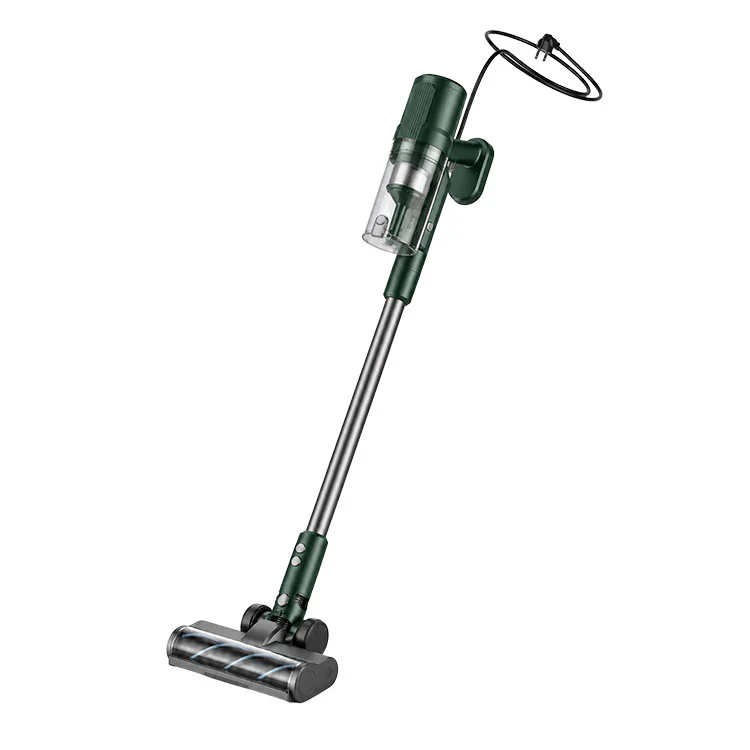
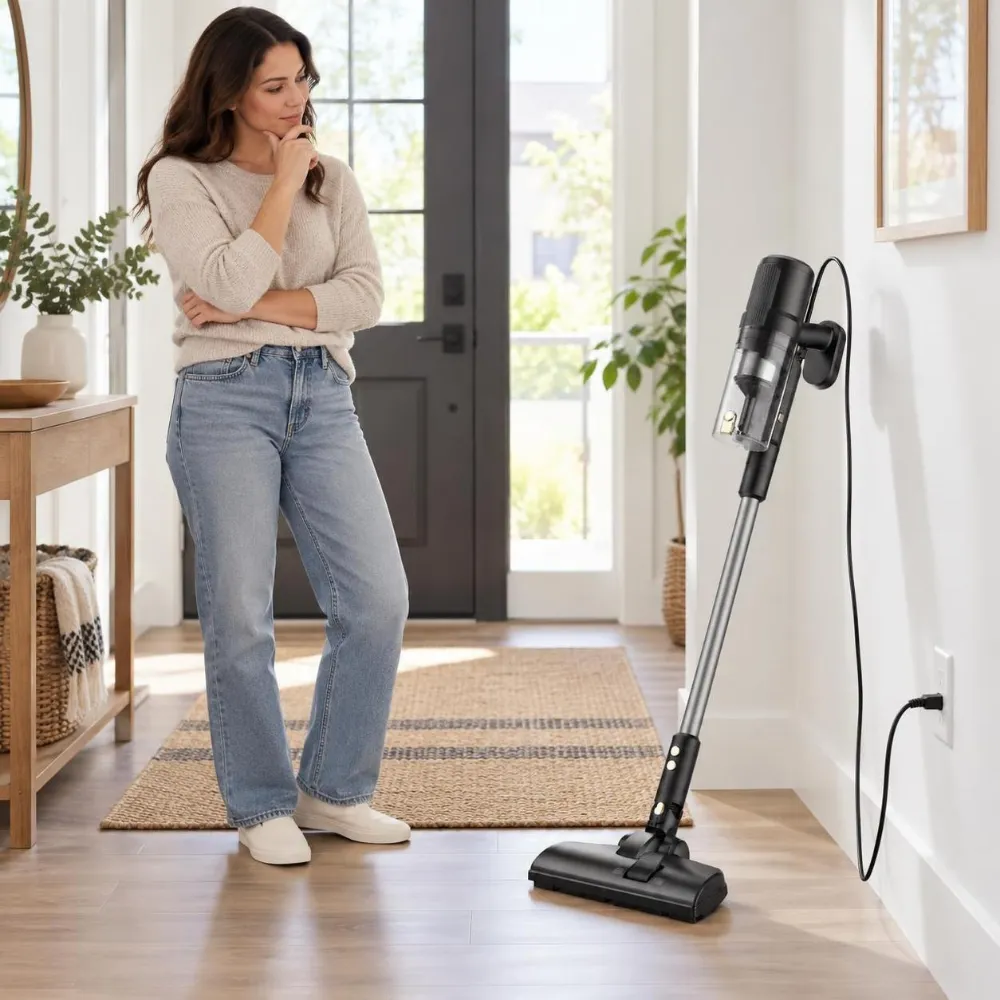
Photograph the sample and write down the floor head, roller, cup, filter, cord length, plug, voltage and frequency before switching it on. Empty the cup, inspect the inlet and fit every cover correctly. If two samples differ, assign separate codes rather than calling both the same model. The starting record prevents a good result from being attached to the wrong retail configuration later.

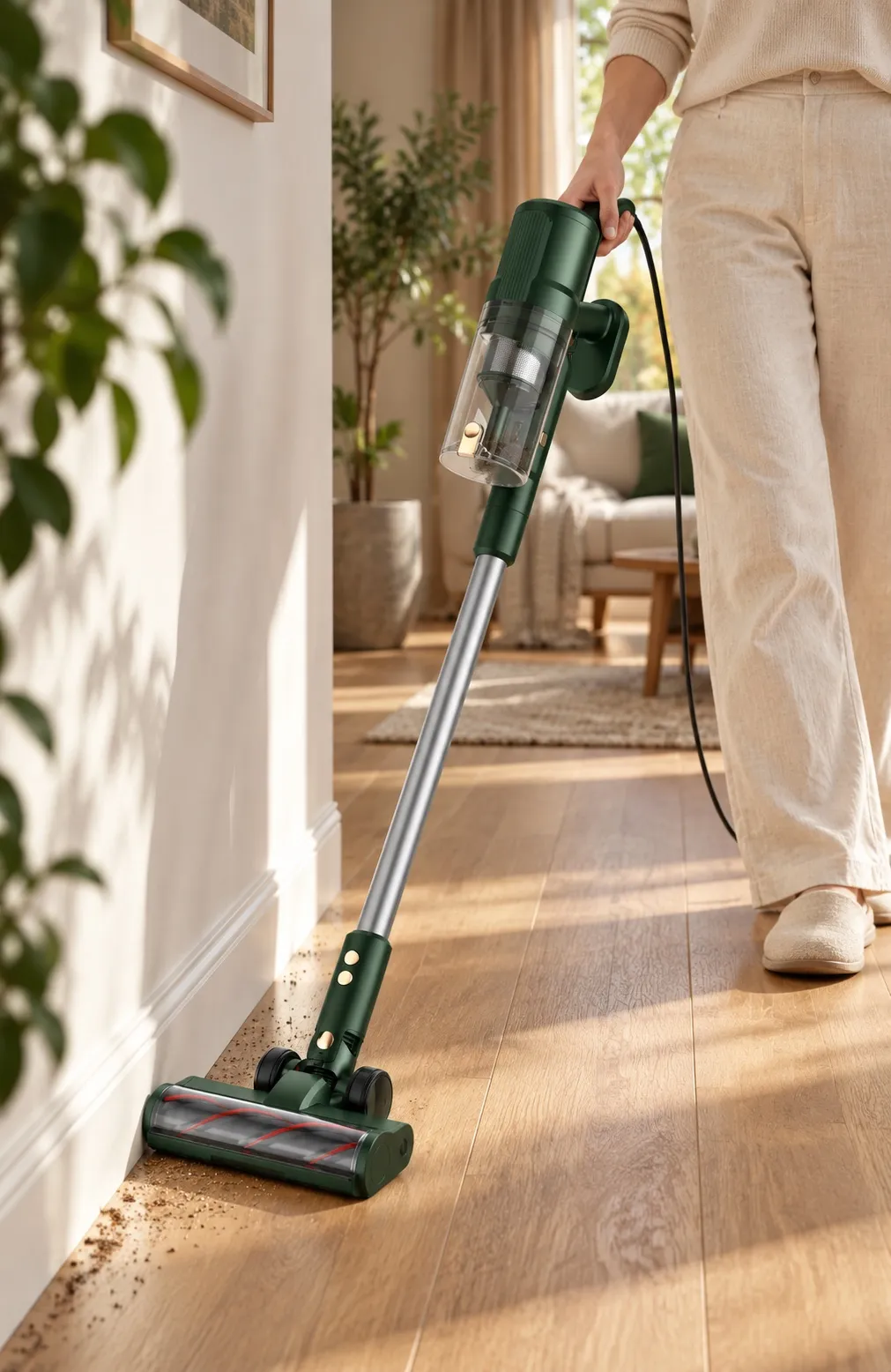
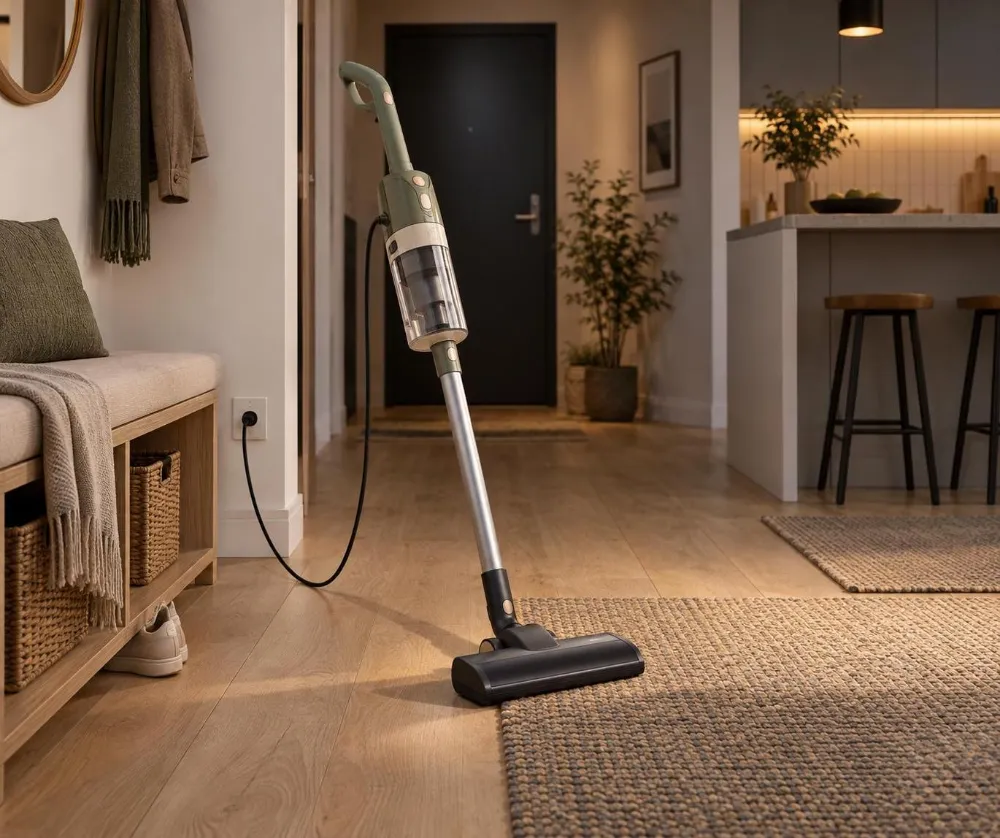
Figure 1 | Test sample test in the real cleaning route.
Test pickup and handling on the same route
Use the same number of slow, overlapping passes for each sample. Note what remains, what the head pushes forward and how much effort is needed to turn. Cross a real floor transition and approach an edge. Pickup matters, but a sample that seals to carpet or twists at a doorway can create a poor daily experience even when the centre of the test area looks clean.
Repeat with the cup partly filled
A fresh empty vacuum is only the first state. Add a measured, appropriate dust load or continue the route until the cup is partly filled, then repeat the same section. Listen for a pitch change, check visible residue and record whether the cup or inlet packs unevenly. Do not introduce wet material or unsafe debris. This second run is often more informative than a polished first pass.
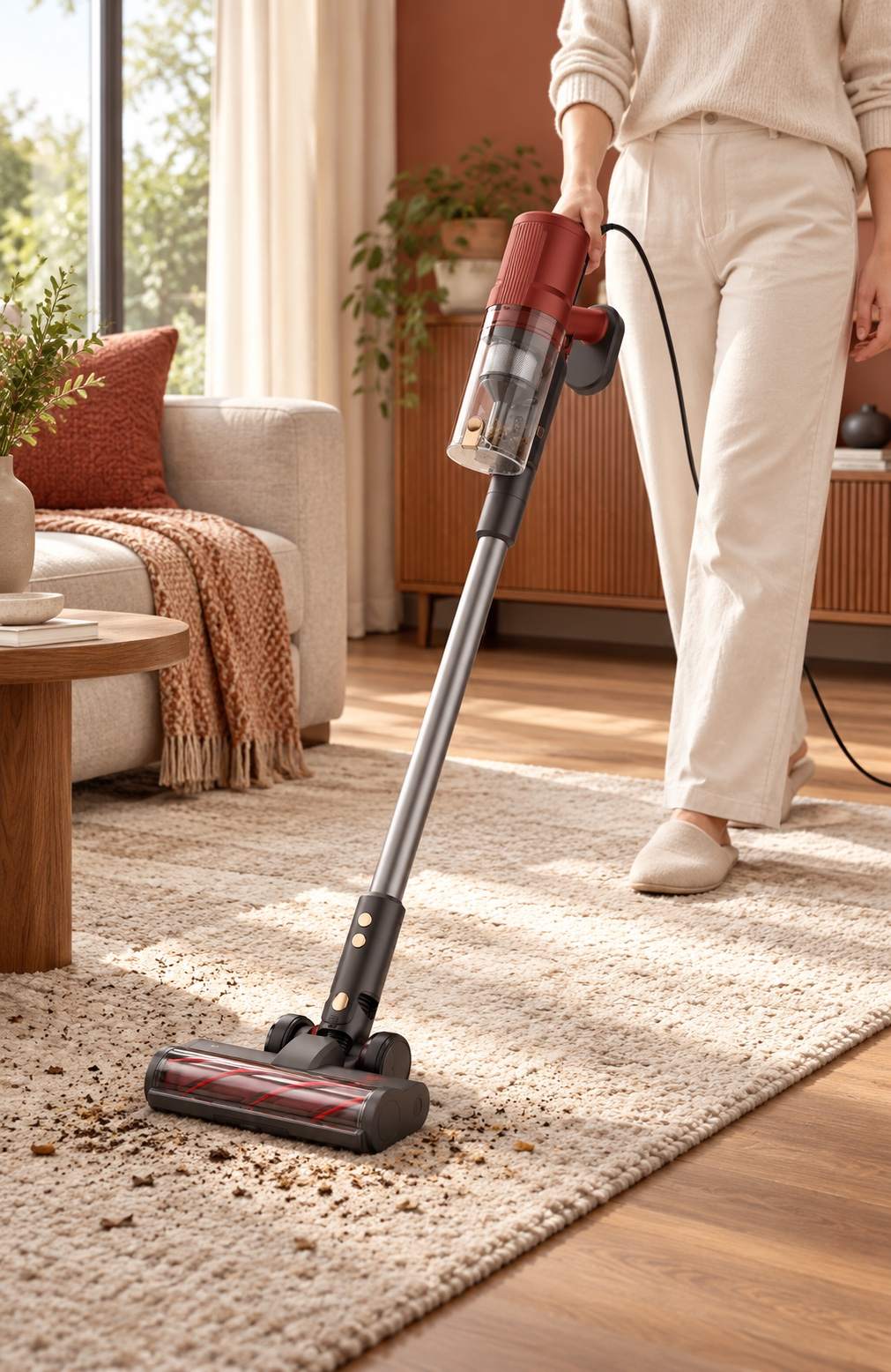
Figure 2 | Check the final product configuration before making a claim.
Time the maintenance step
Switch off and unplug, then ask the tester to empty the cup, inspect the roller and access the filter using only the manual. Record dust contact, awkward latches and the time needed to restore the machine. A product that cleans well but is difficult to service may be used less often. Confirm whether the removable filter is washable before including water in any demonstration.
Turn observations into an approval record
Summarise the test with photographs, configuration code, conditions, passes, residue, handling notes and maintenance findings. Separate a pass from a recommendation for improvement. Any retail claim should point back to this record and keep the relevant condition. Retest after changing the floor head, filter, cord or electrical version; do not assume a result automatically transfers.
Where the TEH platform fits
The documented TEH Corded Stick Vacuum Cleaner platform uses a 270 W high-voltage DC brushless motor, suction above 25 kPa and noise below 75 dB under the stated test conditions. It has an independently powered motorized roller floor head, a 1.2 L transparent PC cyclonic dust cup and H12 HEPA as standard. H13 HEPA is available as a higher-cost customization. The detachable power cord can be specified from 5 m to 10 m with destination-specific plug, voltage and frequency.
For repeated home cleaning, the platform can be specified around the floor, cord route and destination market. The product section should still be read with the stated test conditions: a floor head, carpet, filter and user routine can change the experience. Treat the generated colour as an editorial concept until the factory confirms the production finish.
For importers and OEM buyers
A vacuum cleaner manufacturer or vacuum cleaner supplier should keep the approved sample, quotation, specification, instruction manual, packaging and online copy aligned. For an OEM vacuum cleaner or private label vacuum cleaner, record the final floor head, dust cup, filter grade, cord length, plug, voltage, frequency and replacement parts before launch. If a claim depends on a specific floor or test method, keep that condition in the internal file instead of turning it into an absolute promise.
Frequently Asked Questions
What should I test before buying a vacuum cleaner? Test pickup, floor transitions, steering, cup emptying, filter access, cord reach and sound on the exact sample.
Why test with a partly filled dust cup? It shows whether airflow, sound, residue or handling changes after real use begins.
Should a changed floor head be retested? Yes. A different head can change contact, pickup, noise and handling.
Explore TEH Vacuum Cleaner Options
View the TEH Corded Stick Vacuum Cleaner or browse the TEH Vacuum Cleaner range. For a sample or configuration discussion, use the Send Inquiry page.
Previous :
-
Related News
- How to Choose the Best Vacuum Cleaner for a Large Home
- How to Store a Vacuum Cleaner So It Is Ready for the Next Clean
- What Does Vacuum Cleaner Noise Level Really Mean at Home
- How Long Should a Vacuum Cleaner Cord Be for a Whole Home
- How to Clean a Vacuum Cleaner Filter Without Damaging It
- What to Look for in a Vacuum Cleaner for High-Pile Carpet?
Leave me a message