
Best Vacuum Cleaner for Pet Hair and Everyday Dust
The best vacuum cleaner for pet hair is not simply the one with the loudest claim on the box. Pet hair behaves differently on a sofa edge, a low-pile rug and a hard floor. Fine dust can sit in the same room even when the hair is easy to see. A useful vacuum cleaner should keep good contact with the floor, move hair toward the inlet, empty without a mess and have filters and parts that can be maintained after purchase.
Start With Where the Hair Collects
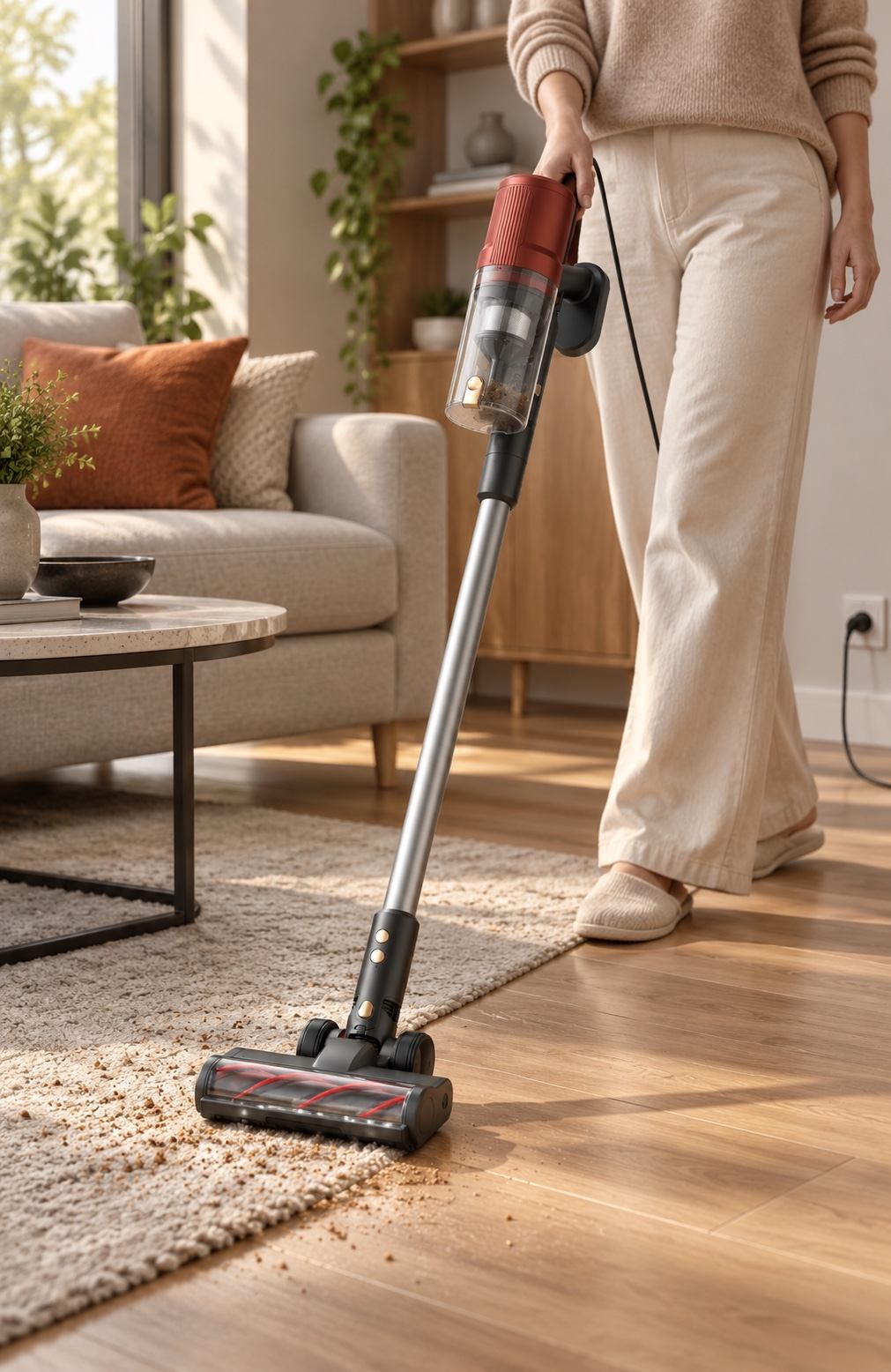
Walk through the home before comparing models. Long dog hair on a smooth floor is different from short pet hair pressed into a rug. Corners, sofa legs and the edge of a mat often collect more hair than the center of the room. If most cleaning is on hard floors, steady suction and a head that does not scatter hair may matter more than aggressive brushing. If rugs are common, the head must stay close enough to lift hair without becoming hard to push.
Pet owners also clean more often. A heavy machine that works well once a week may still be annoying for quick daily passes. For a price-conscious household, the better choice is often a practical pet hair vacuum cleaner that is easy to take out, empty and put away, not the model with the longest list of modes.
Check the Floor Head Before the Motor Claim
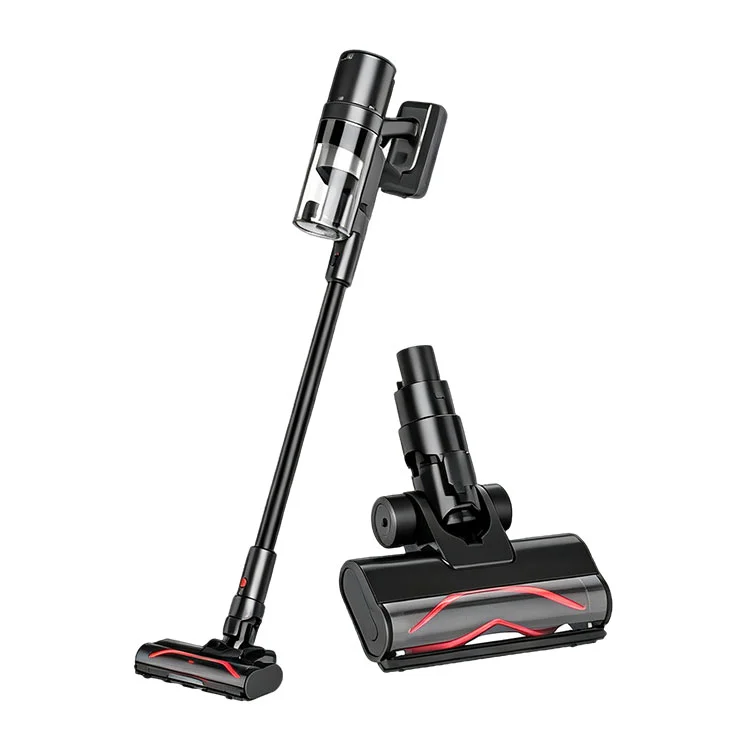
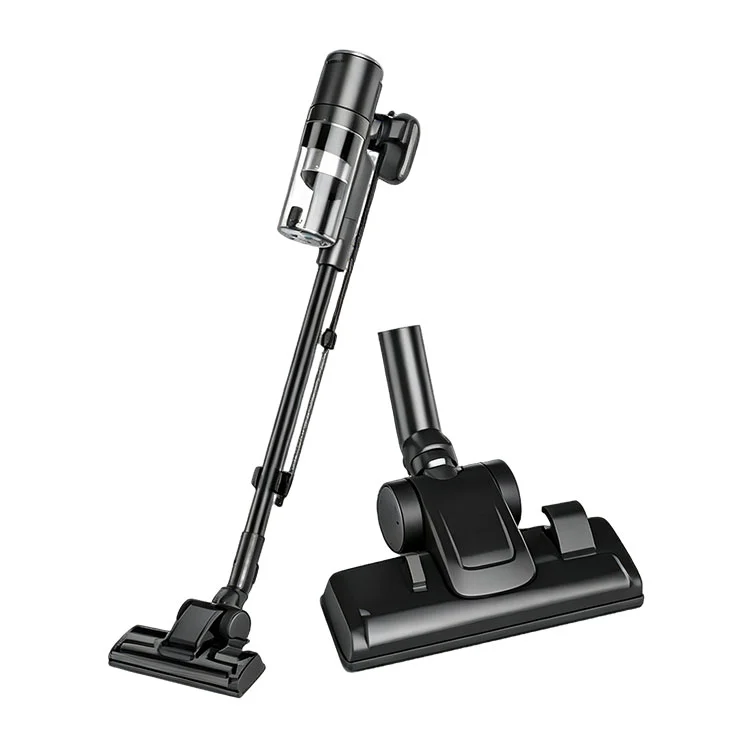
A vacuum cleaner for pet hair needs the floor head to guide hair into the airflow path. Look at the inlet width, the front edge and how the head sits on the floor. If the head rides too high, hair can remain on the surface. If it seals too tightly on a rug, the machine can become tiring to move. For a home with both rugs and hard floors, test the same head on both surfaces before deciding.
Brush design is important, but it should not be described vaguely. A powered brush can help in some carpet conditions, yet it also creates a cleaning task when long hair wraps around the roller. A simple standard head can still be useful for daily dust and visible hair on hard floors or low-pile rugs when the airflow path, seal and handling are well matched. The point is to test the actual head, not judge from the product name alone.
Dust Cup and Filter Care Matter in Pet Homes
Pet hair quickly fills visible space in a dust cup. A transparent cup helps the user see when it is time to empty the machine, but the release design matters too. Check whether hair catches around the inlet, cone or seal. If the cup is awkward to remove, the vacuum may be used less often even when its suction is acceptable.
A vacuum cleaner with HEPA filter can be worth comparing when the filter grade, fit, seal and replacement plan are documented. It should not be treated as a magic word. Ask whether the filter is removable, how it should be cleaned, and whether replacement filters are available in the target market. Removable does not always mean washable, and any approved washable part must dry fully before reinstalling.
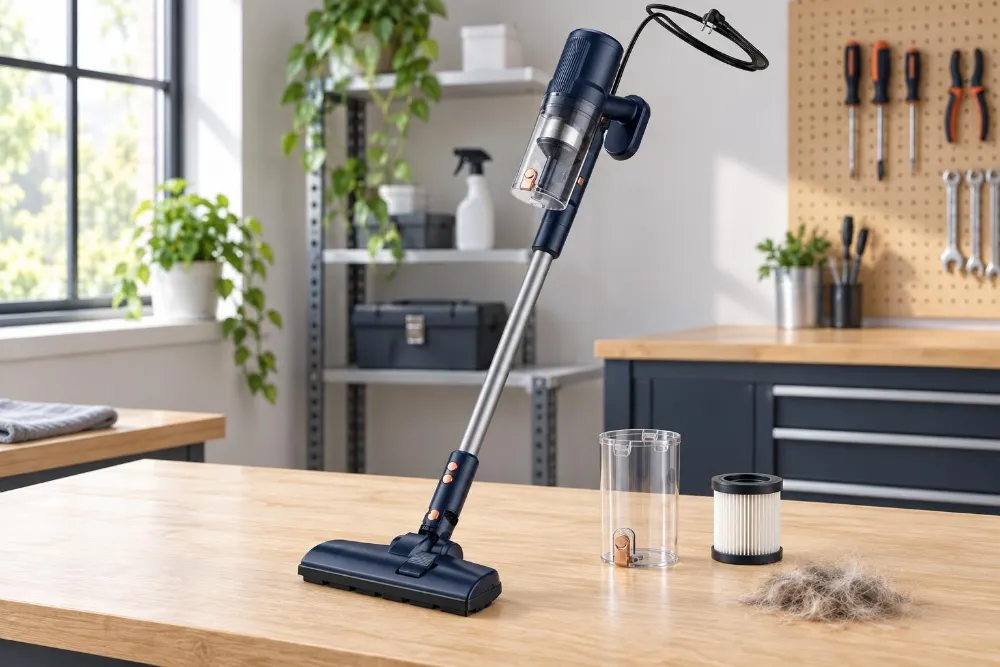
What the TEH Corded Platform Can Support?
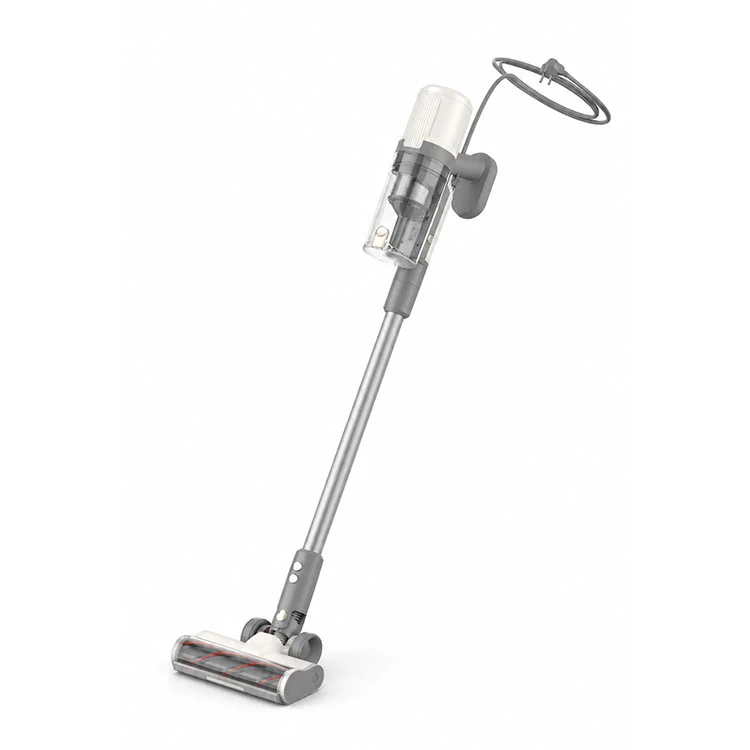
The TEH Corded Stick Vacuum Cleaner platform is a corded upright-style solution that can be configured with a detachable 5 m to 10 m power cord, with plug, voltage and frequency matched to the destination market. For homes that clean pet hair in repeated passes, continuous mains power can avoid waiting for a recharge. The final cord length should still match outlet layout and storage habits.
The documented platform is rated at 270 W, with suction above 25 kPa and noise below 75 dB under the stated test conditions. It uses a 1.2 L transparent PC cyclonic dust cup and H12 HEPA as standard, with H13 HEPA available as a higher-cost customization. These details support a concrete sample review, but they do not replace a pet-hair cleaning test on the final floor-head version.
For Importers and OEM Buyers
A vacuum cleaner manufacturer or vacuum cleaner supplier should help the buyer separate standard configuration from claims that need testing. For an OEM vacuum cleaner or private label vacuum cleaner project, confirm the floor head, inlet structure, dust-cup release, filter grade, cord length, plug, voltage, frequency and replacement parts before writing retail copy about pets. If the packaging says the product is suitable for pet hair, the approved sample should be checked on the surfaces named in the copy.
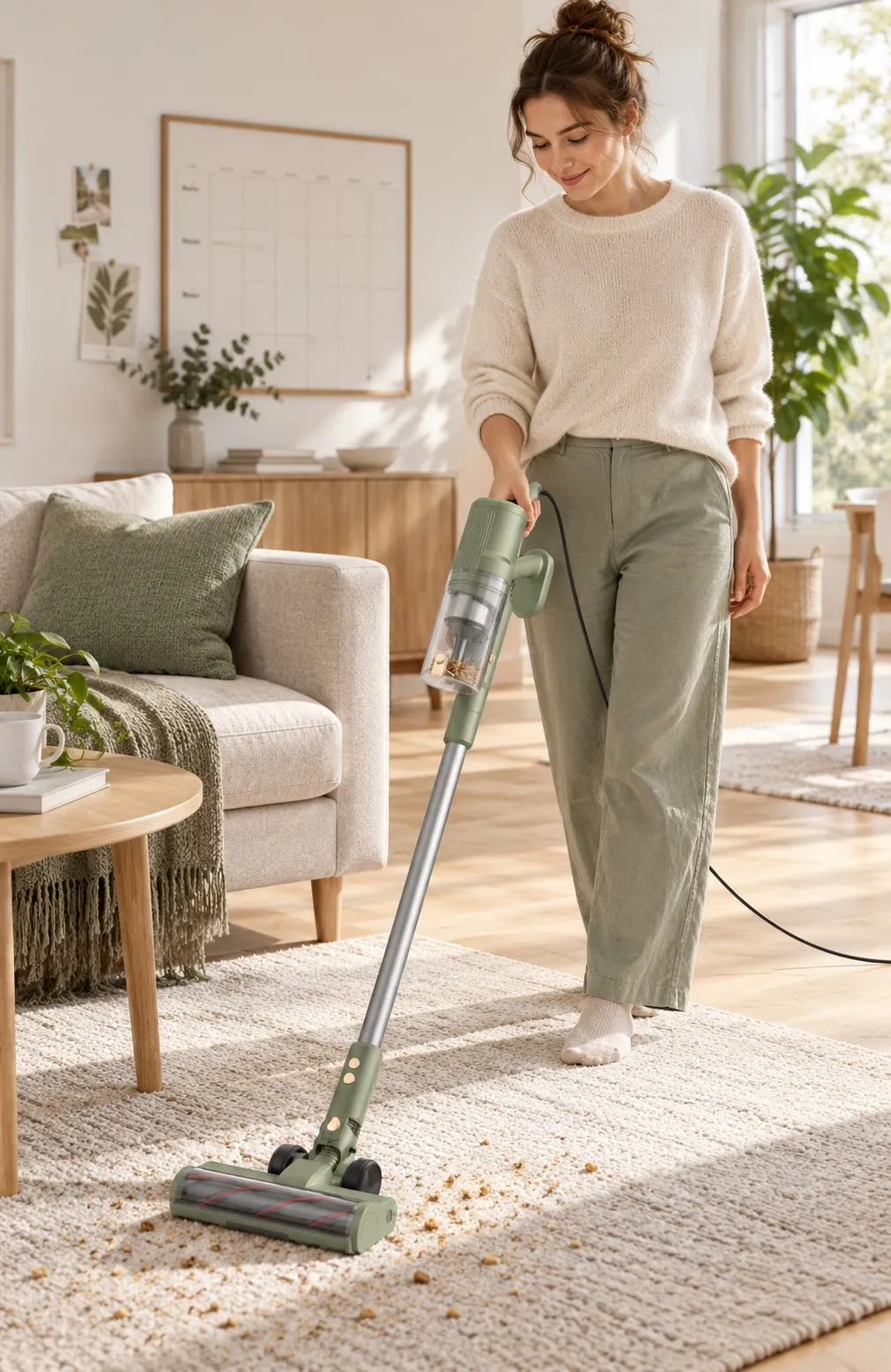
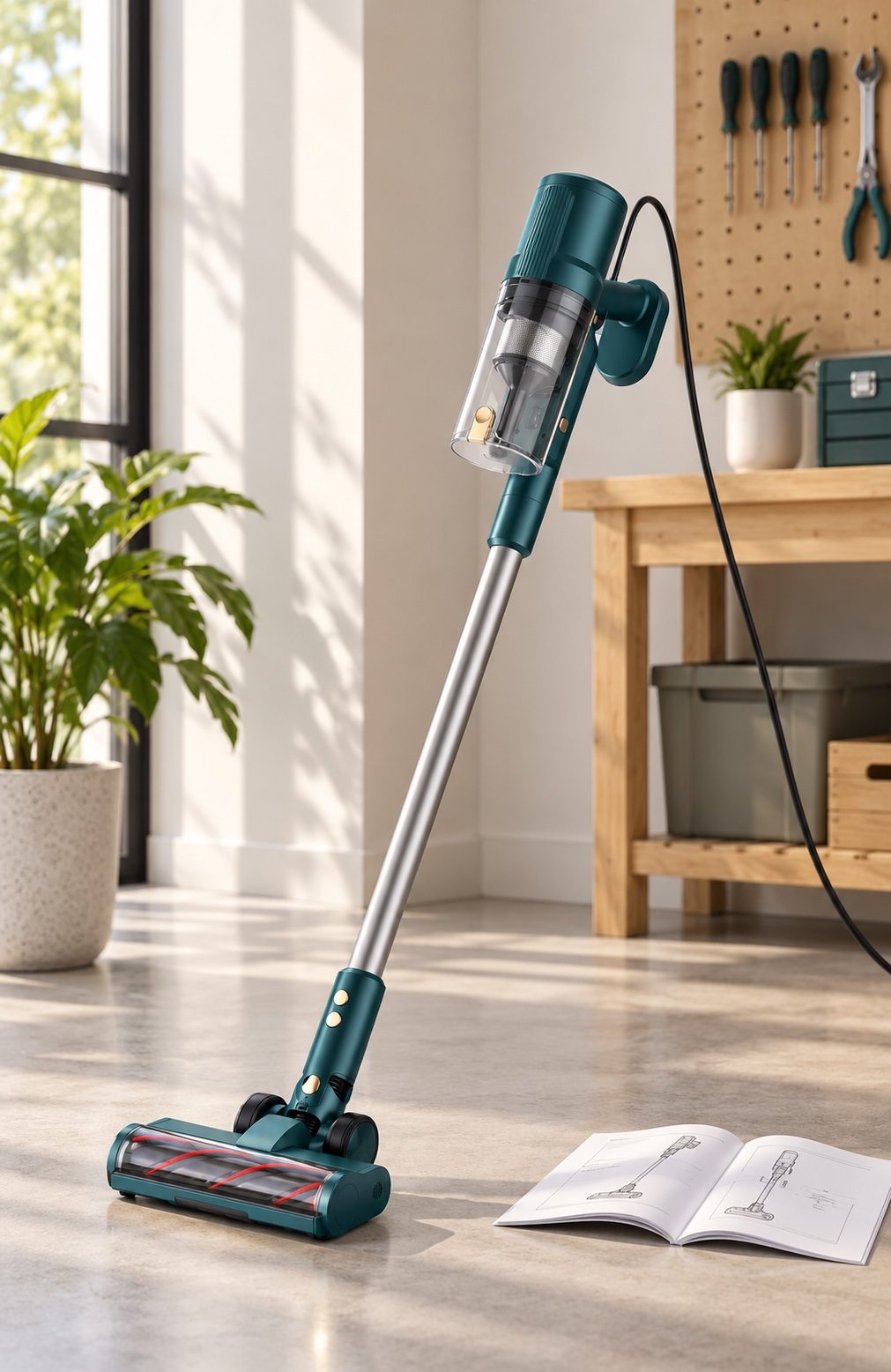
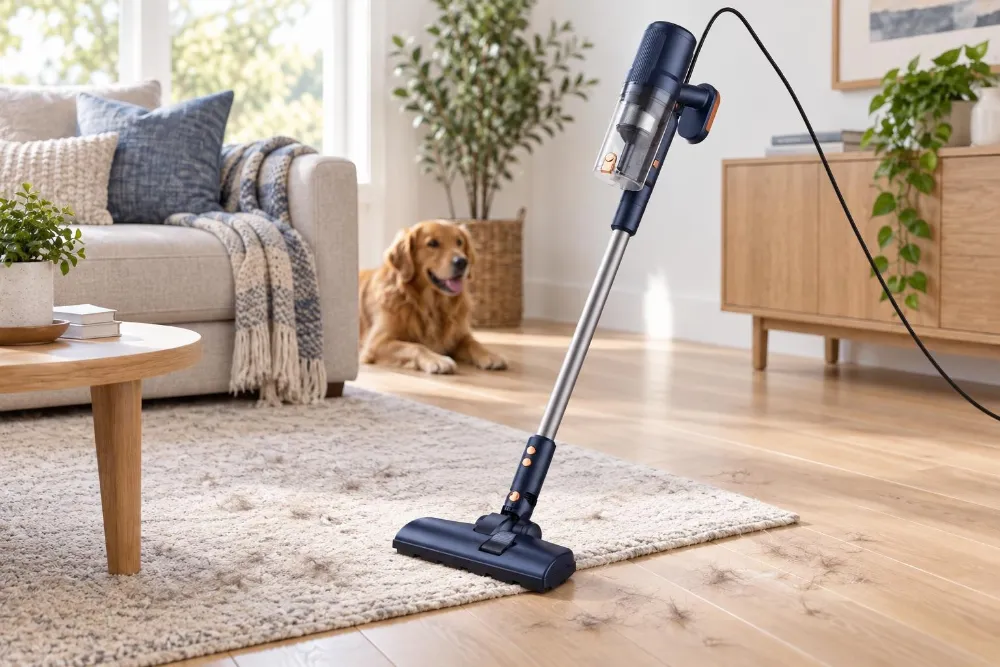
Colour can also affect retail positioning. The images in this draft use a deep graphite navy and copper-accent concept because many European and North American home-appliance ranges prefer darker, more premium-looking palettes. Treat that as an image direction until the factory confirms the mould colour, finish, button colour and packaging artwork.
Frequently Asked Questions
What is the best vacuum cleaner for pet hair?
The best choice is the one whose floor head, airflow path, dust cup and filter care match your floors and cleaning routine. Test the exact configuration before trusting a broad claim.
Is a corded vacuum cleaner good for pet hair?
It can be practical when you clean often and want continuous power. The floor head and dust-cup design still need to be checked on real pet hair.
Do I need a HEPA filter for pet hair?
A vacuum cleaner with HEPA filter is worth comparing, but the filter grade, seal, fit and replacement plan all matter. Follow the manual for cleaning and replacement.
Can one vacuum clean both rugs and hard floors?
Yes, if the head keeps good contact on both surfaces and does not scatter hair on hard floors or become hard to move on rugs.
What should OEM buyers test before using pet-hair claims?
Test the approved sample with the final floor head, dust cup, filter, cord version and target surfaces before writing consumer-facing claims.
Explore TEH Vacuum Cleaner Options
View the TEH Corded Stick Vacuum Cleaner or browse the TEH Vacuum Cleaner range. For a sample review, colour direction or OEM configuration discussion, contact us now.
Related News
Leave me a message