
Vacuum Cleaner Lost Suction Check These Common Causes First
A practical guide for everyday cleaning and informed product choices
When a vacuum cleaner loses suction, the motor is not always the first thing to blame. A full dust cup, blocked inlet, loaded filter, loose seal or debris caught in the floor head can all change pickup. Start with the simple checks the manual allows, and disconnect power before opening any serviceable part. If there is a burning smell, damaged cable or unusual heat, stop using the machine and seek qualified service. This order helps a shopper identify a routine blockage without turning a safe inspection into an electrical repair.
Use the checks below to separate a blocked cup, filter or inlet from a possible electrical fault. Start with the unplugged, visible checks for the exact model and record what changed before deciding whether service is needed.
Empty the dust cup and reseat it
Switch off, unplug and empty the cup before it reaches the fill mark. Check for compacted dust around the inlet and cyclone, then reinstall the cup so its seals sit evenly. A cup that looks attached but is slightly misaligned can leak air. Do not tap a plastic part against a hard surface or force a latch that feels stuck. If suction changes immediately after reseating, note the result and continue to the next check only if the issue remains.
Look for a blockage along the airflow path
Follow the manual from the floor-head inlet through the tube or hose, cup and filter. Use a light to inspect visible openings, but do not push a sharp object deep into the duct where it could puncture or lodge. Remove only debris you can safely reach after disconnecting power. If a blockage is beyond the approved access point, stop and contact service rather than dismantling a sealed motor housing.
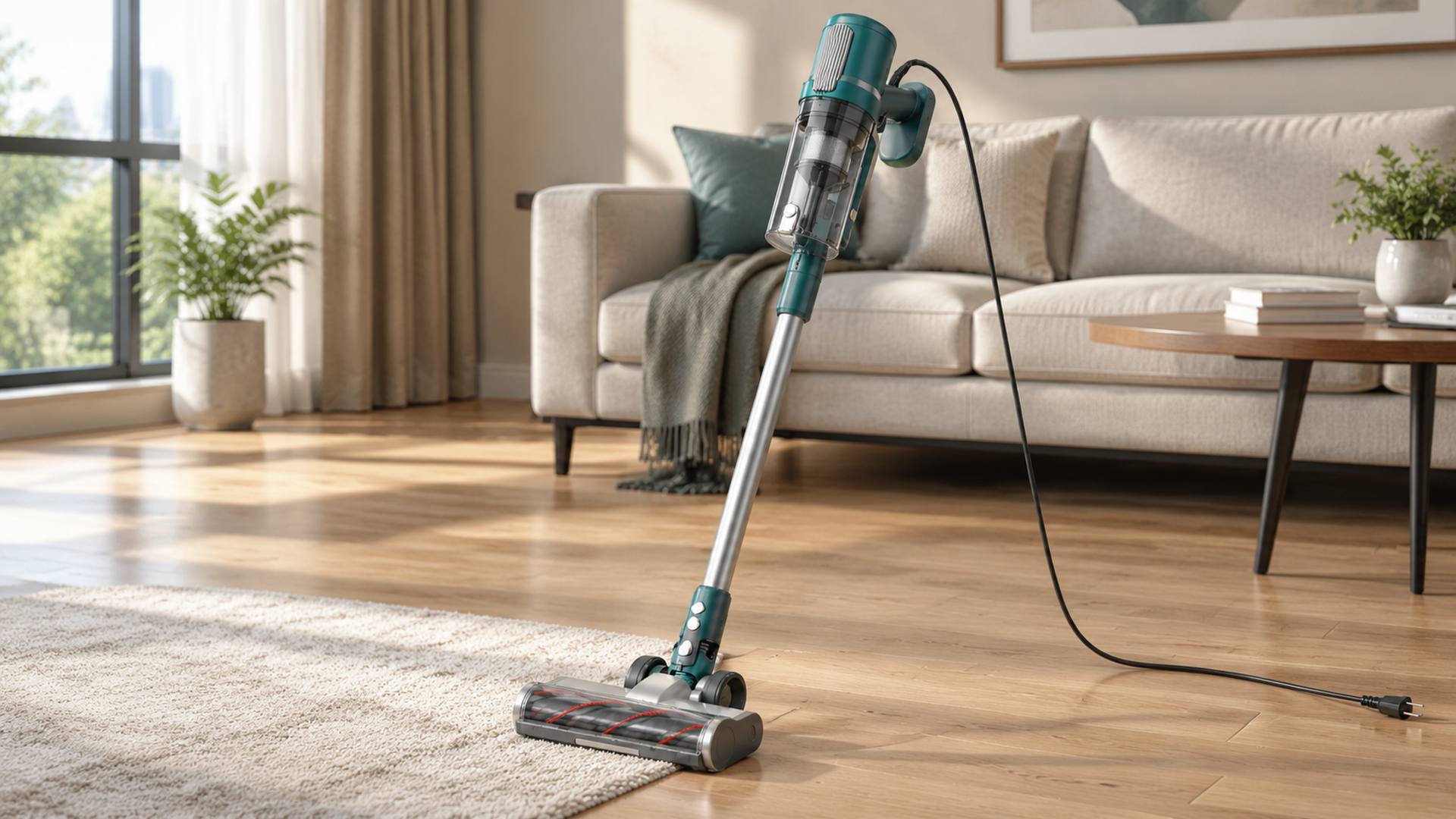
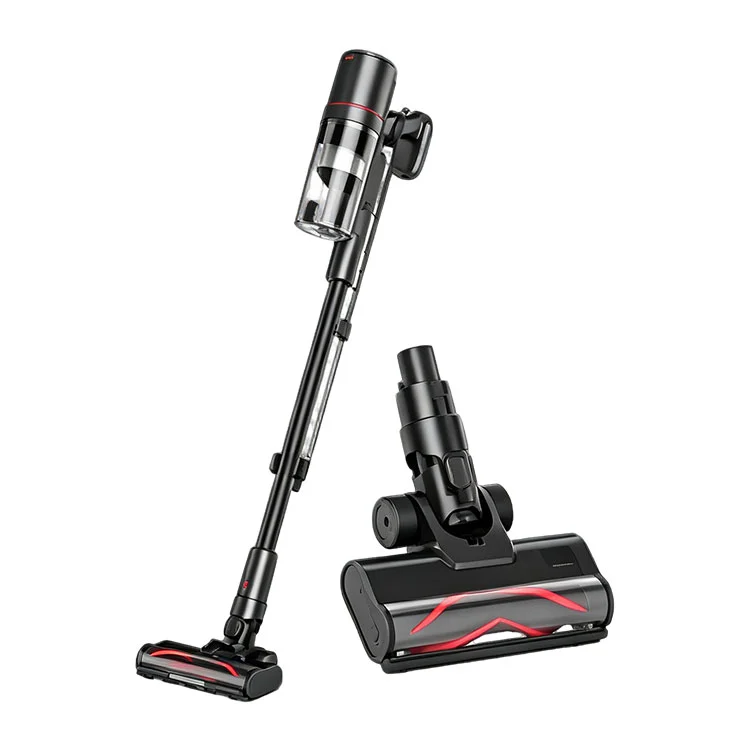
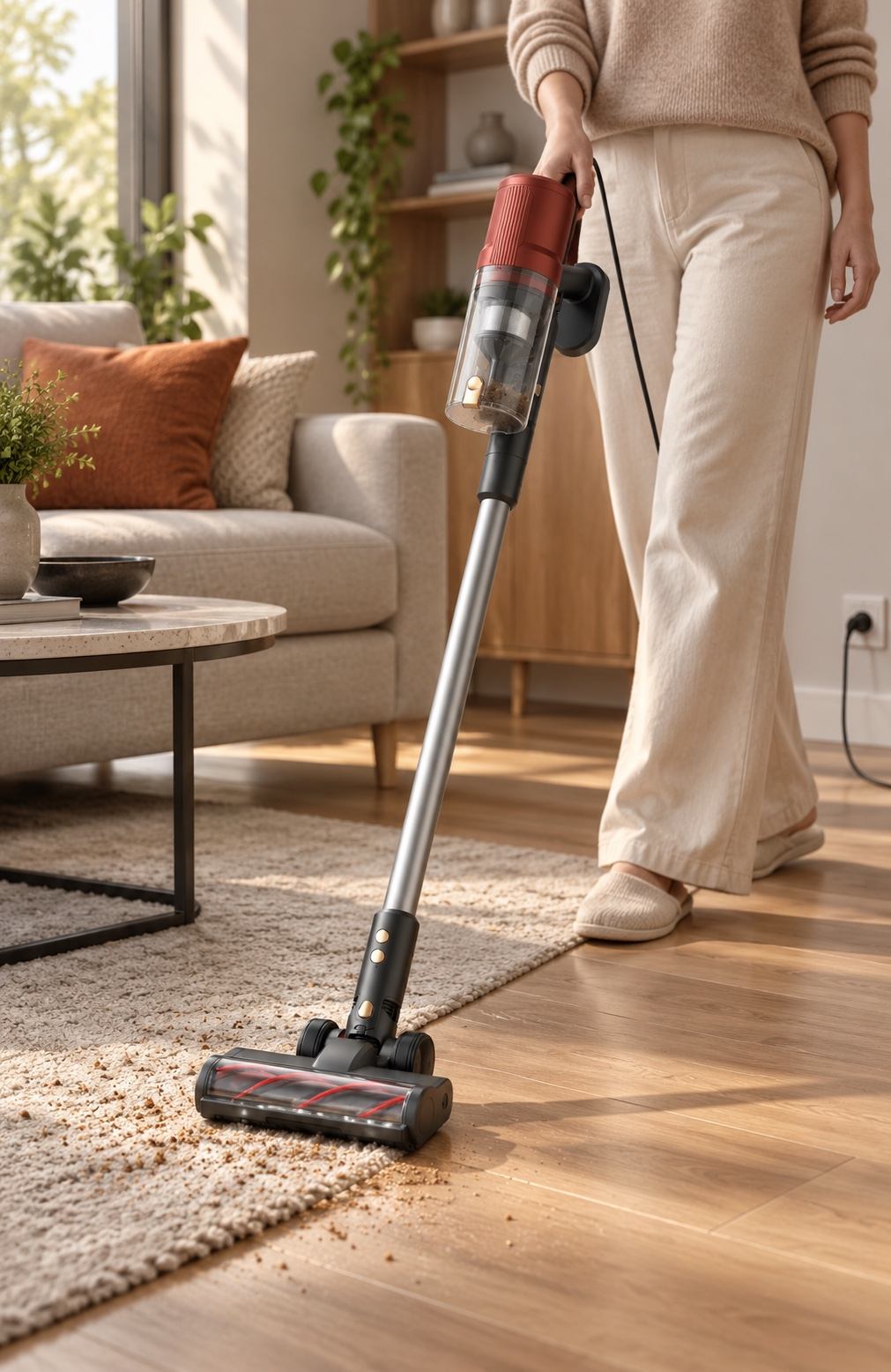
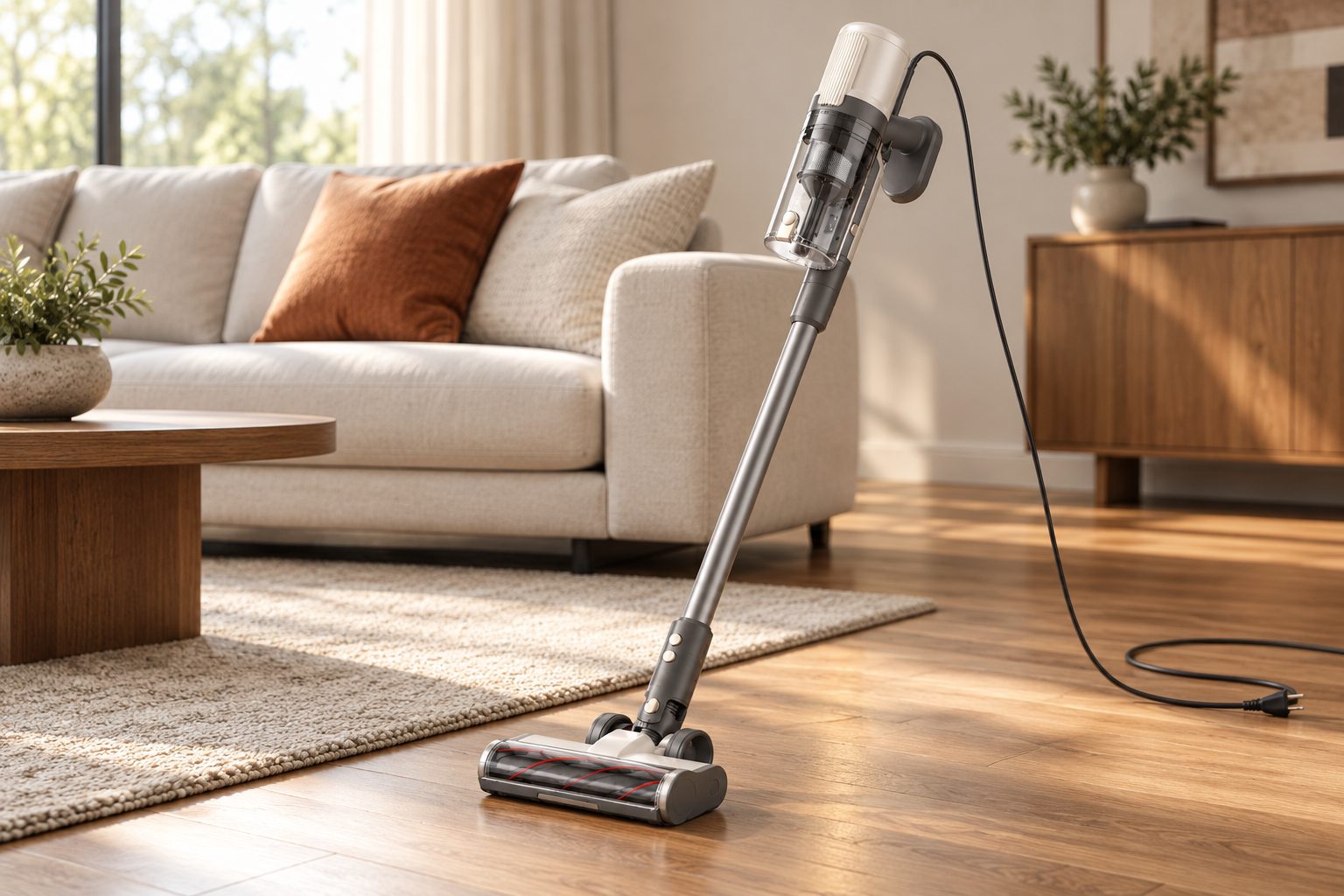
Figure 1 | Check the collection cup and visible airflow path before blaming the motor.
Check the filter without guessing its care method
Remove the filter only as directed and look for heavy loading, damage or incorrect seating. Do not wash it unless the manual says washing is allowed; a damp filter can create another problem when the vacuum is restarted. Replace only with a part that matches the model and grade. A clean-looking filter can still be incorrectly fitted, so confirm the orientation and seal before closing the compartment.
Inspect the powered floor head
Hair, thread or a small object can restrict the roller or block its inlet. Turn the machine off, unplug it and use the specified access method; do not place fingers near a powered roller. Check whether the brush is visibly obstructed and whether the head connector is seated as the manual describes. If the roller remains stopped or the housing is hot, do not keep restarting it. The problem may need service rather than another pass over the floor.
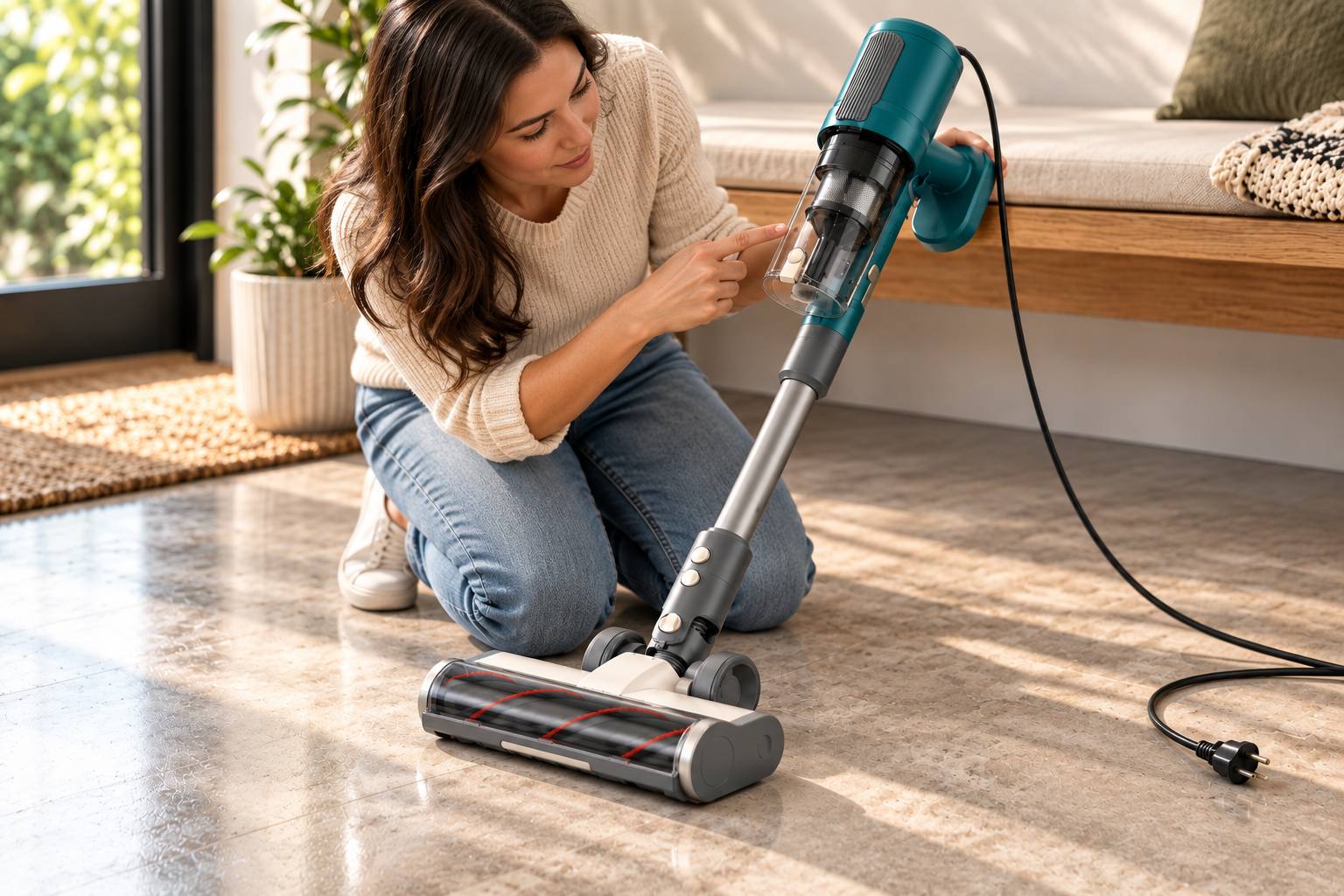
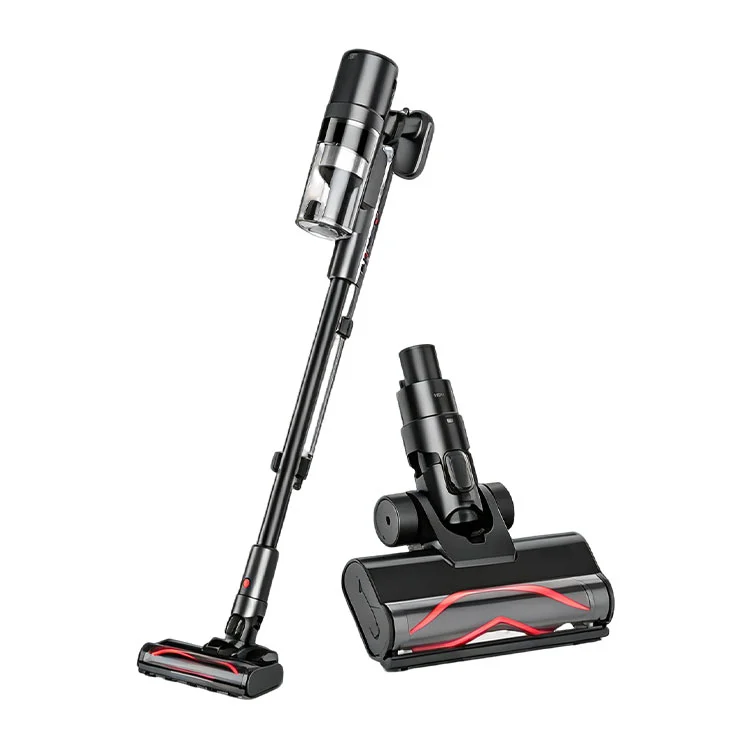
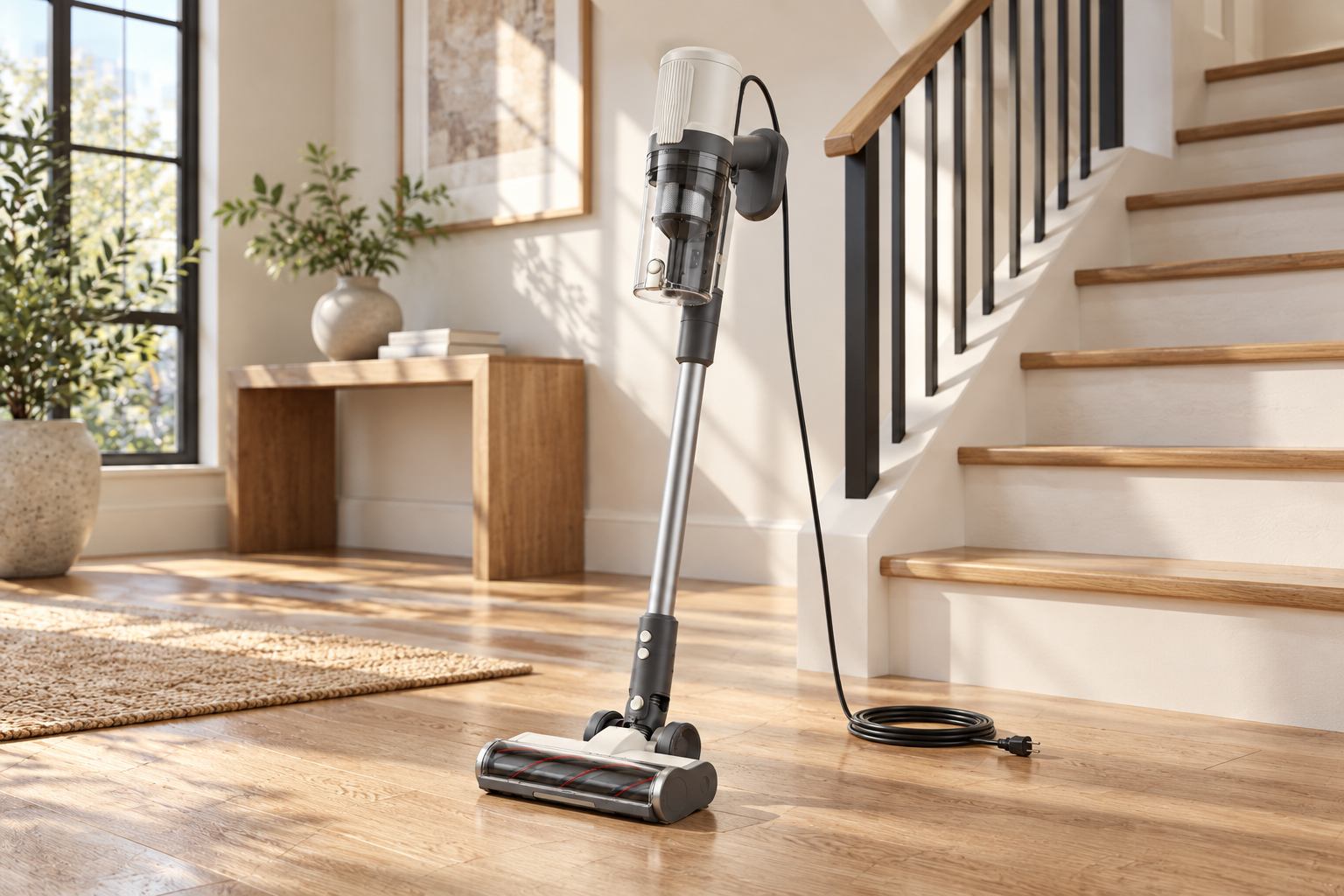
Figure 2 | Switch off and unplug before inspecting approved service points.
Notice what changed before the problem began
Think about whether the cup was recently emptied, the filter was reinstalled, the floor head changed or the machine picked up unusual debris. A new sound, sudden drop or intermittent loss can point to different checks. Write down the sequence instead of repeatedly switching the vacuum on and off. If the symptom appears only on thick carpet, the head may be sealing tightly against the pile; do not force it or assume the motor has failed.
Know when to stop troubleshooting
Stop immediately for a damaged cord, sparks, burning odour, smoke, repeated breaker trips or abnormal heat. Do not open electrical components or bypass a thermal or electrical protection device. A vacuum cleaner supplier should give service contact details, replacement-part identifiers and clear warranty boundaries. For an importer, complaint records should include the sample code, floor head, filter and electrical version; changing one of these can change the symptom and the correct repair path.
Change one condition at a time
Troubleshooting is clearer when you do not clean every part at once. First note the surface, floor-head setting and whether the cup is near its fill line. Switch off and unplug before checking any user-serviceable area. Empty the cup if needed, then test briefly on the same patch; only after that should you inspect the filter or an approved inlet. Write down what changed after each step. If suction returns after emptying, that is useful evidence; if nothing changes, avoid repeating the same test or opening sealed parts. Stop if the machine becomes unusually hot, emits a burning smell or makes a new mechanical sound. A simple record of conditions helps support staff and prevents guesswork from turning into unnecessary disassembly.
How the product details fit this question
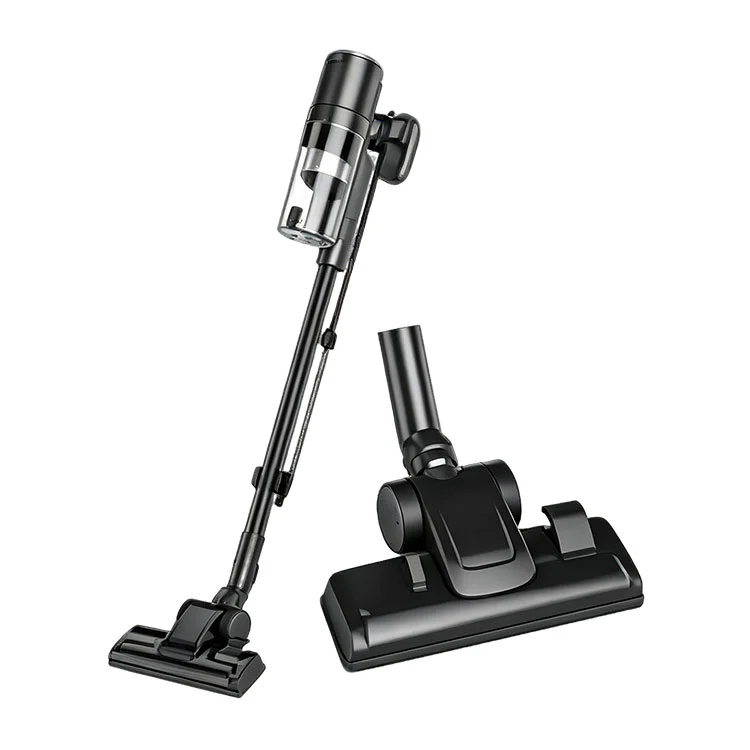
The documented platform has a 1.2 L transparent dust cup and standard H12 HEPA filter, but those specifications do not diagnose a loss of suction. Follow the model manual to check the user-serviceable cup, filter, inlet and floor head, then compare the same surface again. Stop before opening sealed motor or electrical parts; record the configuration and symptoms for service if the restriction remains.
For importers and OEM buyers
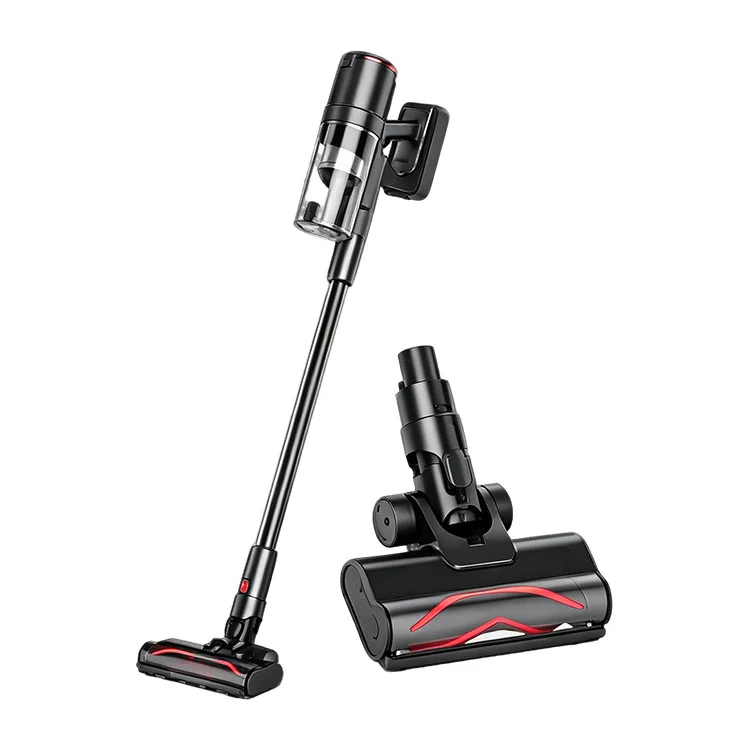
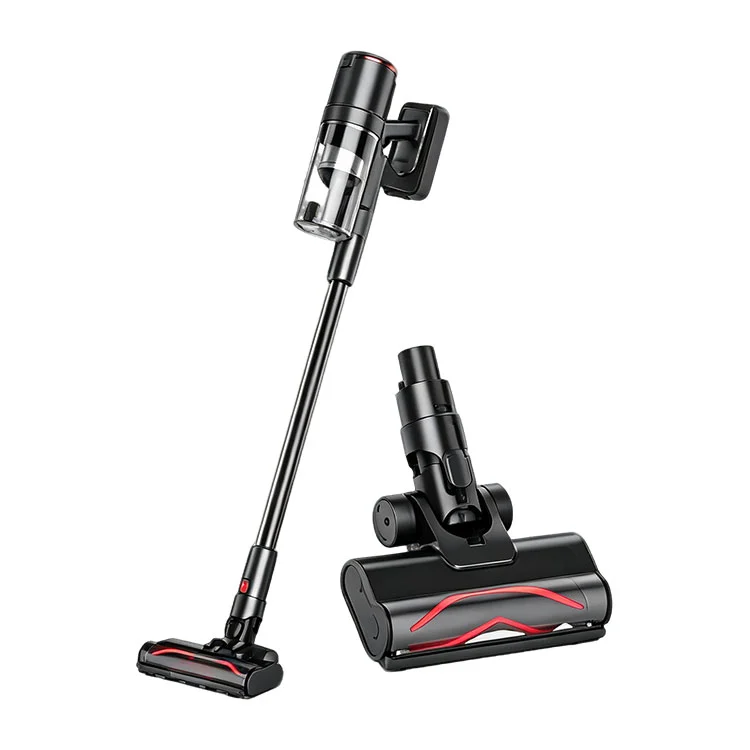
For this topic, the TEH Corded Stick Vacuum Cleaner should be assessed on the approved floor head, filter and electrical version—not on a render alone. The deep teal with smoked transparent details finish in the images is a concept direction only. Match any consumer-facing statement to the relevant test condition and final sample.
For importers, keep the approved sample, quotation, instruction manual, packaging and online copy aligned. Record the floor head, cup, filter grade, cord length, plug, voltage, frequency and any replacement parts relevant to this article. A vacuum cleaner manufacturer or supplier should identify standard options versus custom requests. Do not carry a claim across a configuration change without checking it again.
Frequently Asked Questions
Why did my vacuum cleaner lose suction suddenly?
A full cup, blockage, loose seal or filter issue is common. Stop, unplug and check only the service points named in the manual.
Can I wash a vacuum filter to restore suction?
Only if the exact filter and manual allow washing; let it dry fully before reuse.
What if the vacuum smells hot or burnt?
Stop using it, unplug it and seek qualified service. Do not continue testing a machine with an electrical warning sign.
Explore TEH Vacuum Cleaner Options
View the TEH Corded Stick Vacuum Cleaner or browse the TEH Vacuum Cleaner range. For a sample or configuration discussion, use the Send Inquiry page.
Related News
- Vacuum Cleaner Brush Not Spinning Safe Checks Before Service
- Vacuum Cleaner for Car Interior What a Home Model Can and Cannot Do
- Can You Vacuum Kitchen Floors What to Pick Up and Avoid
- Why Does My Vacuum Cleaner Smell Bad Safe Checks to Try
- How to Vacuum an Area Rug Without Pulling or Bunching It
- Best Vacuum Cleaner for Stairs What to Check Before You Buy
Leave me a message