
Can You Vacuum Kitchen Floors What to Pick Up and Avoid
A practical guide for everyday cleaning and informed product choices
Many people search can you vacuum kitchen floors after crumbs collect beneath the table. For dry debris on a suitable floor, a household vacuum can be convenient, but it is not a substitute for a wet-and-dry machine. Never use a standard dry vacuum on liquid, damp food or a freshly washed floor. Check the floor maker’s care guidance, watch for large or sharp objects and use the head slowly around chair legs. The kitchen is a high-traffic room, so a quick inspection of the inlet and floor head after cleaning can prevent yesterday’s crumbs from becoming tomorrow’s blockage.
Use the checks below to separate ordinary dry crumbs from liquid, hot, sharp or sticky kitchen debris. Compare the exact floor head and dry-use instructions before testing a model, and keep food preparation areas separate from the machine.
Dry crumbs are not the same as a spill
A few dry cereal pieces, flour dust or crumbs may be suitable for a dry vacuum if the floor and product instructions allow it. Oil, sauce, wet food and pooled water are not. Absorbing moisture can damage a filter or internal part and may create a hygiene problem. If a spill is wet, wipe it with an appropriate method first and wait until the floor is fully dry before vacuuming. When the material is uncertain, do not test it by switching on the machine.
Sweep up large or sharp pieces first
Broken glass, skewers, metal fragments and large food scraps should be picked up safely by hand with suitable protection or another approved method. A vacuum inlet can lodge a large piece where it is difficult to remove, while a sharp object can damage a hose, seal or dust cup. Avoid sucking up hot ash or anything that can burn. Kitchen cleanup should start with a quick visual check of the floor, especially beneath appliances and dining chairs.
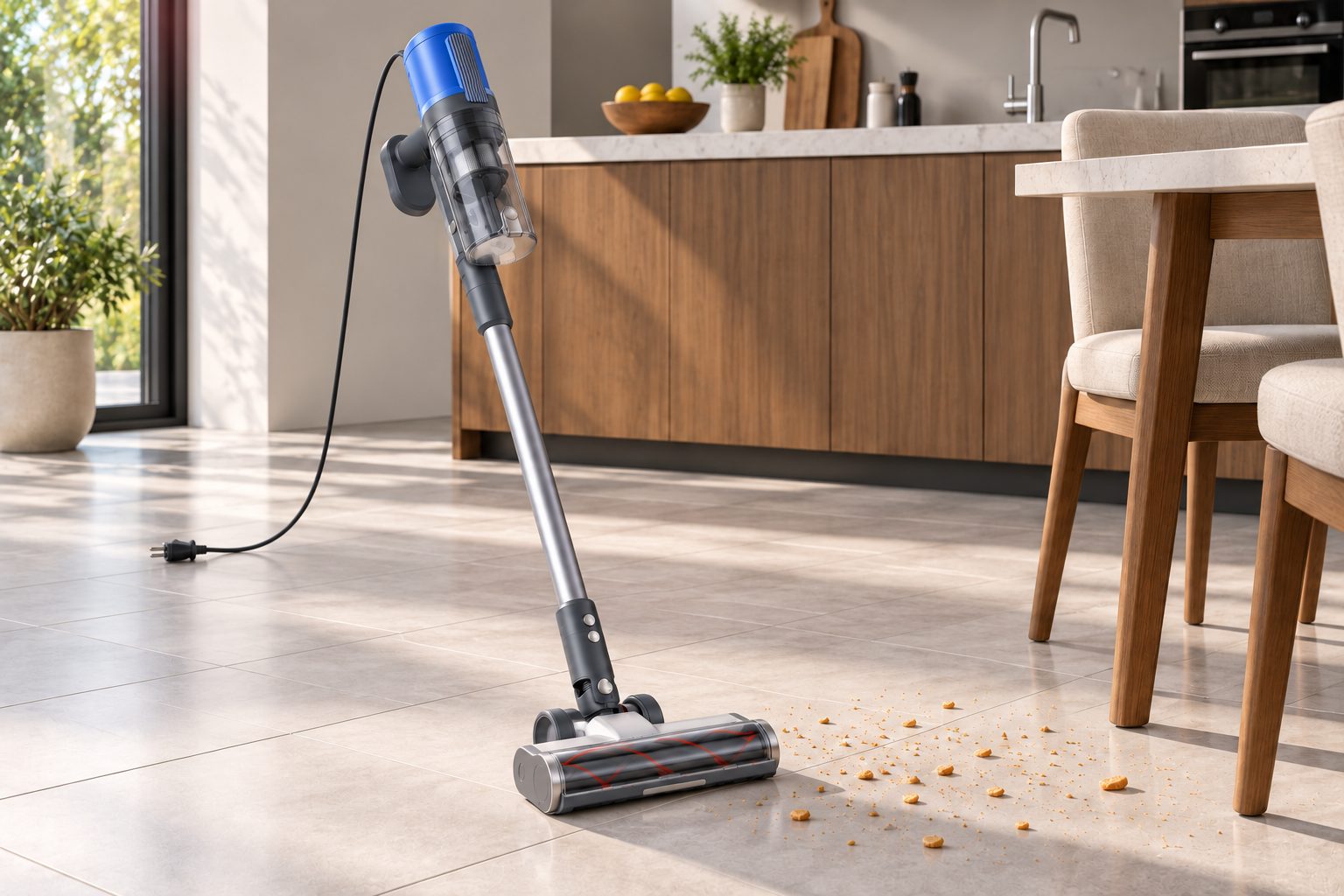
Figure 1 | A dry kitchen route is different from a wet spill.
Protect the floor finish and head
Tile, sealed wood, laminate and stone can need different care. Check the floor manufacturer’s instructions and inspect the vacuum’s wheel and brush contact before using it on a delicate surface. A motorized roller may move crumbs but can scatter them or make noise if the head is unsuitable. Make one slow pass on a small section and check for marks, debris pushed ahead or a rug edge caught at the kitchen threshold. Stop if the head scrapes or resists.
Reach the areas where crumbs hide
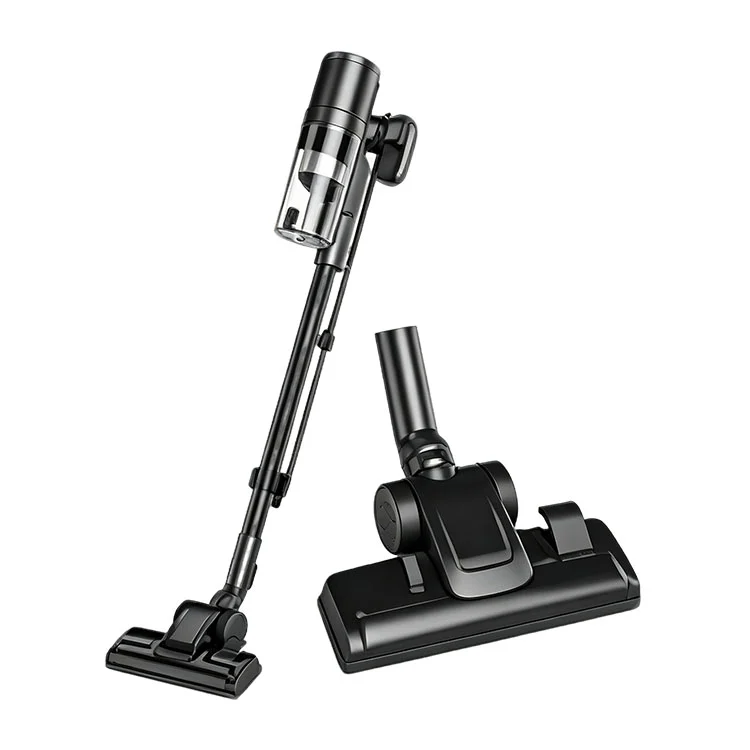
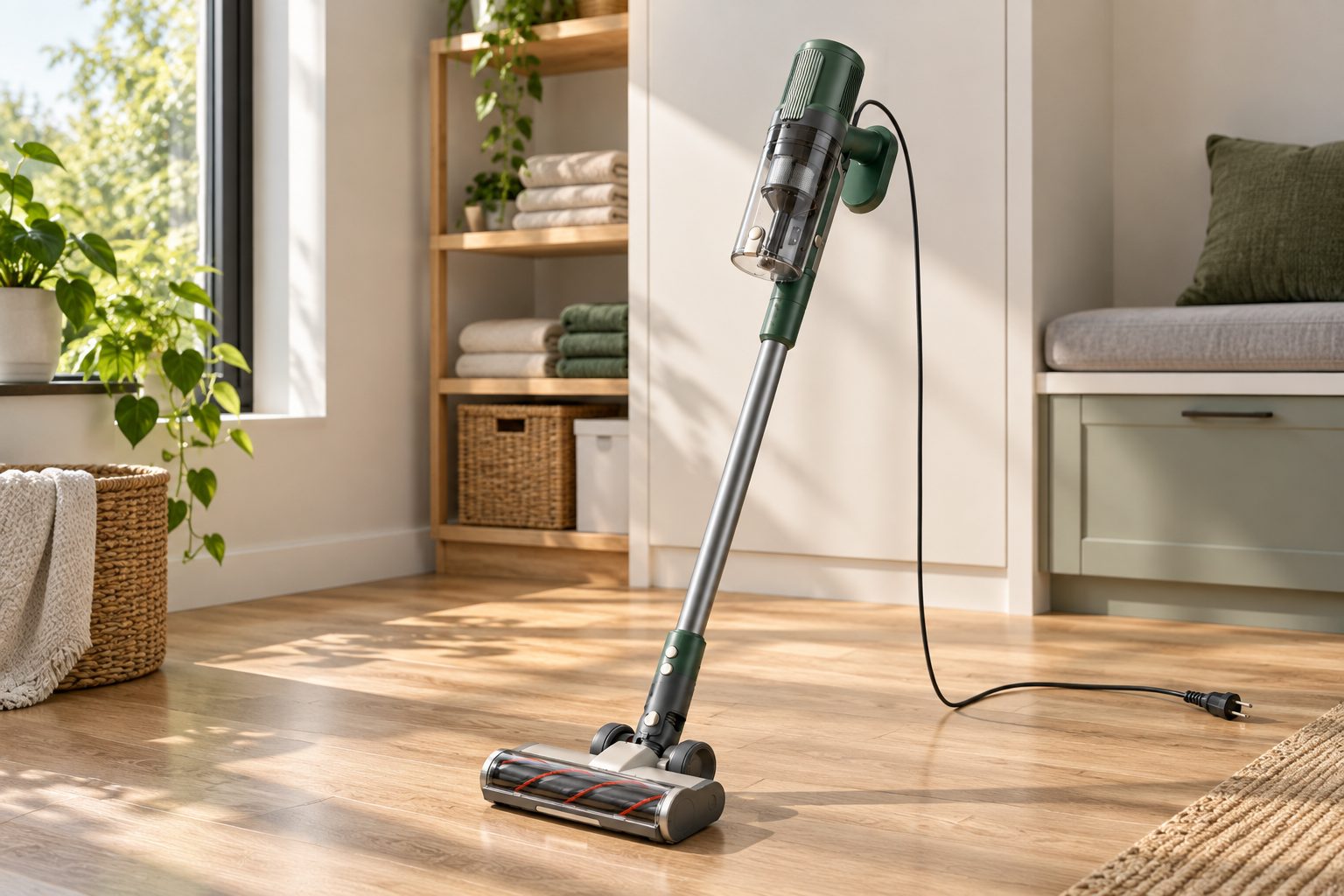
Most kitchen debris gathers under the table, along cabinet edges and beside chair legs. Move chairs rather than forcing a wide floor head into a narrow gap. Check whether the head can turn without catching a toe-kick or pulling the cable across a walkway. A low-profile attachment can help only if it is actually included and approved for the model; do not assume one from a product photo. Clear the area before cleaning so the roller does not collect loose string or packaging.
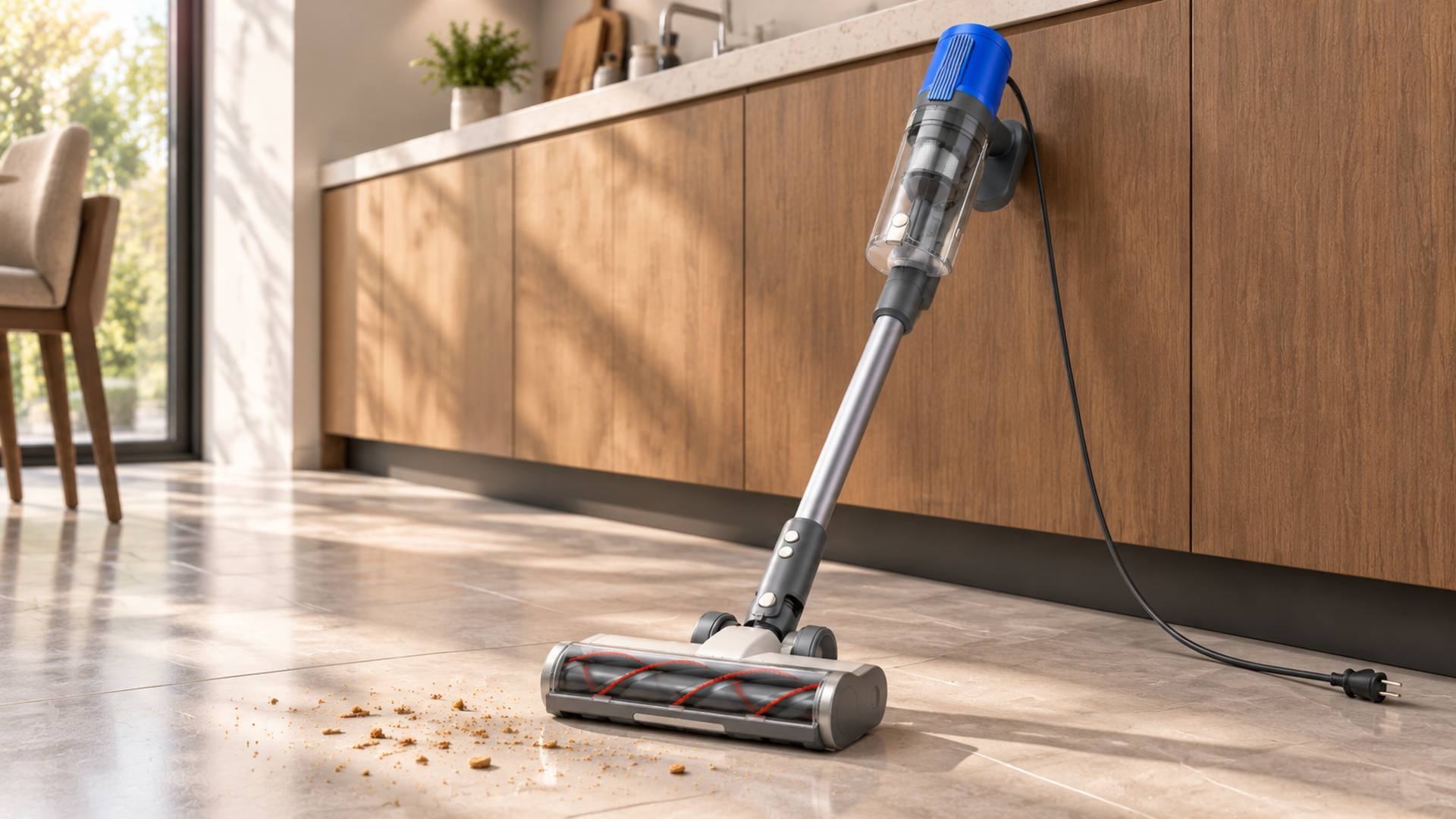
Figure 2 | Check debris at edges while keeping the floor and vacuum intake dry.
Empty the cup before cooking residue builds up
Kitchen debris can include fine flour, crumbs and pet hair. Empty the dust cup before it becomes packed and inspect the inlet if the pickup changes. Do not leave food residue in the machine between sessions; follow the manual for cleaning surfaces that contact dry debris. Keep the vacuum away from food preparation surfaces and wash hands after emptying. If the dust cup or filter requires washing, confirm the instructions and let the parts dry fully before reinstalling.
A supplier should define the intended use clearly
For an OEM vacuum cleaner, product literature should distinguish dry household debris from liquid pickup. Show the approved floor head and name the compatible floor types only when the sample has been tested. An importer should verify the manual, warning labels, filter grade and cup-cleaning directions for the destination market. Clear use limits can keep a helpful kitchen-floor claim from turning into a wet-cleaning promise that the product was never designed to meet.
Separate ordinary crumbs from risky debris
A kitchen floor collects more than crumbs. Before switching on a dry vacuum, look for liquid, hot ash, broken glass, sharp pieces and sticky food. These can create a safety issue or damage the airflow path, roller or cup. Pick up large or sharp objects by hand with suitable protection, and wipe up liquids with a method made for the floor. Fine powders such as flour may disperse or load a filter quickly, so check the manual and avoid vacuuming a large pile in one pass. For ordinary dry crumbs, start with a small area and inspect the head afterward. The right choice depends on the floor material and the debris—not simply on whether the appliance is located in a kitchen.
How the product details fit this question
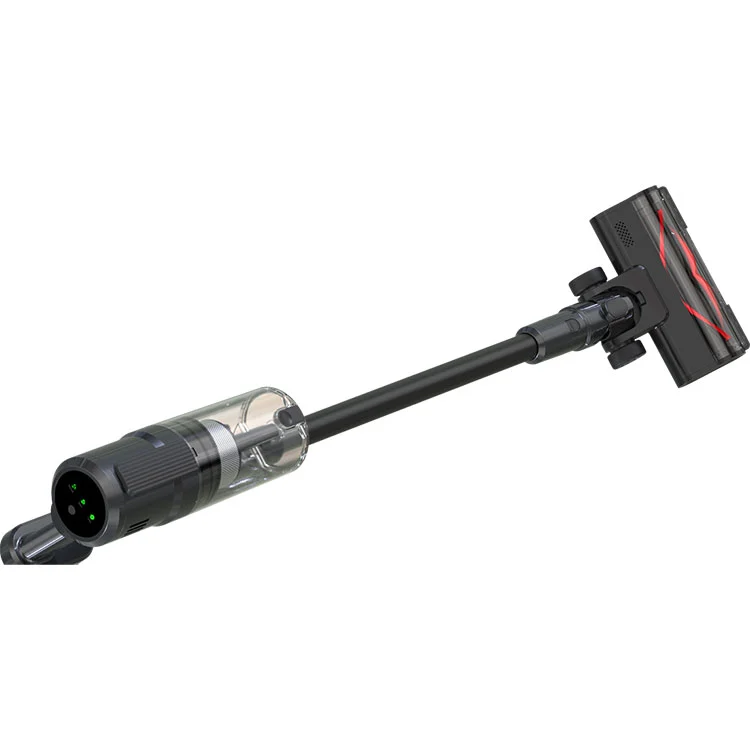
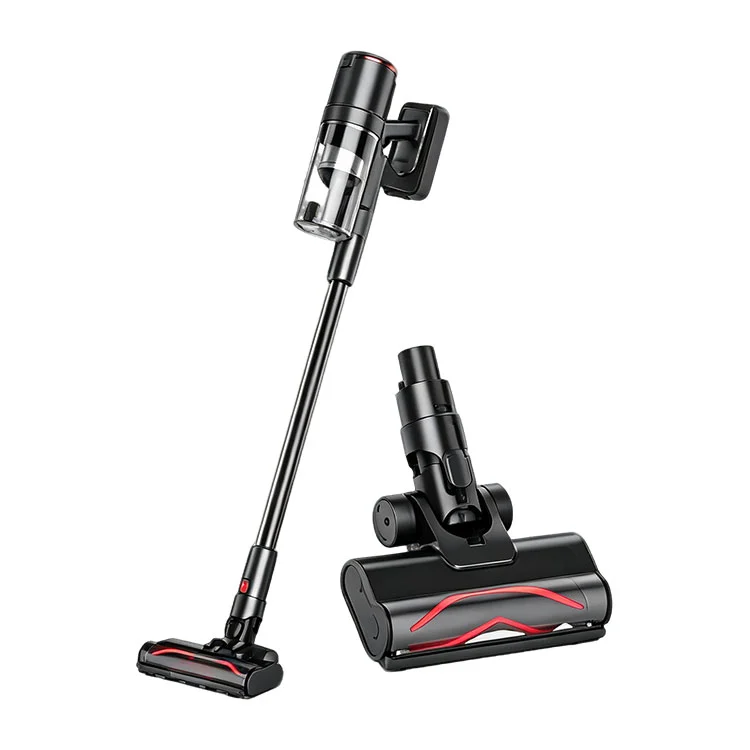
The TEH configuration described in the product record is a dry vacuum platform; the record does not establish wet pickup. For kitchen-floor copy, name only suitable dry debris and the tested floor types, and keep liquids, wet food and hot or sharp material outside the claim. A motorized head and corded power source do not turn a dry vacuum into a wet cleaner.
For importers and OEM buyers
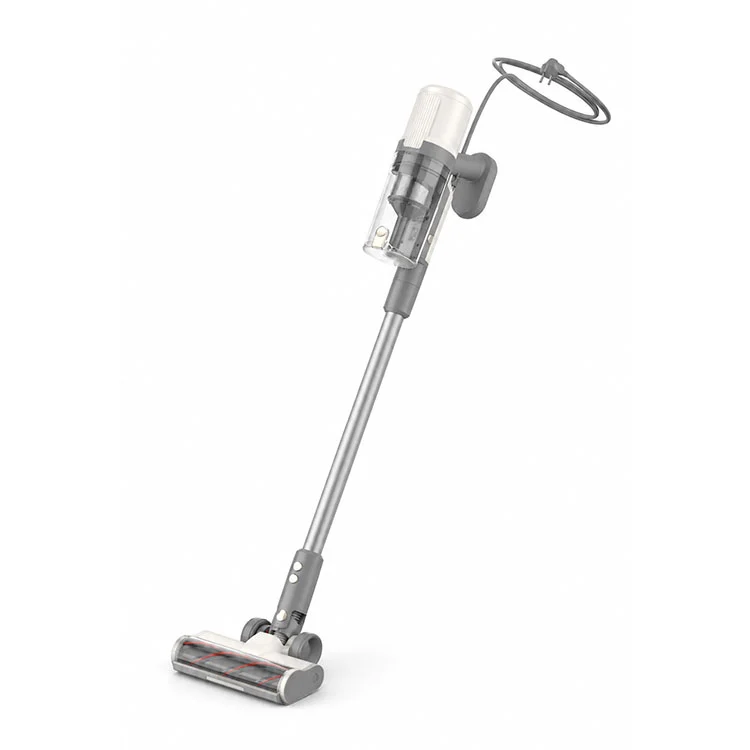
For this topic, the TEH Corded Stick Vacuum Cleaner should be assessed on the approved floor head, filter and electrical version—not on a render alone. The cobalt blue with charcoal details finish in the images is a concept direction only. Match any consumer-facing statement to the relevant test condition and final sample.
For importers, keep the approved sample, quotation, instruction manual, packaging and online copy aligned. Record the floor head, cup, filter grade, cord length, plug, voltage, frequency and any replacement parts relevant to this article. A vacuum cleaner manufacturer or supplier should identify standard options versus custom requests. Do not carry a claim across a configuration change without checking it again.
Frequently Asked Questions
Can you vacuum kitchen floors?
You can often vacuum suitable dry debris on a compatible floor, but never use a dry vacuum for liquids or wet food.
Can I vacuum crumbs and flour?
Check the manual, avoid large loads of fine powder and inspect the filter and cup afterward.
Can a vacuum replace a mop in the kitchen?
No. It can collect suitable dry debris but does not remove wet residue or clean a surface like a mop.
Explore TEH Vacuum Cleaner Options
View the TEH Corded Stick Vacuum Cleaner or browse the TEH Vacuum Cleaner range. For a sample or configuration discussion, use the Send Inquiry page.
Related News
- Vacuum Cleaner Brush Not Spinning Safe Checks Before Service
- Vacuum Cleaner for Car Interior What a Home Model Can and Cannot Do
- Why Does My Vacuum Cleaner Smell Bad Safe Checks to Try
- Vacuum Cleaner Lost Suction Check These Common Causes First
- How to Vacuum an Area Rug Without Pulling or Bunching It
- Best Vacuum Cleaner for Stairs What to Check Before You Buy
Leave me a message