
What Makes a Vacuum Cleaner Effective on Hard Floors and Upholstery?
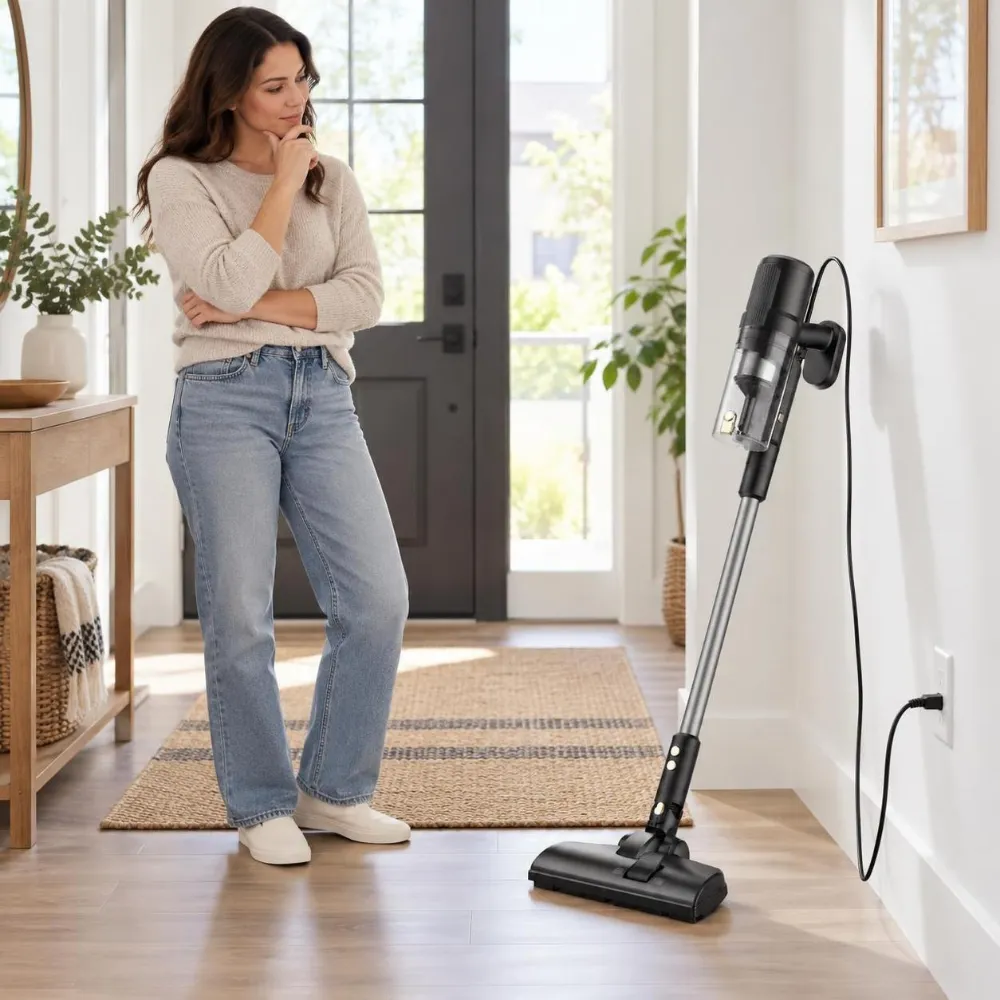
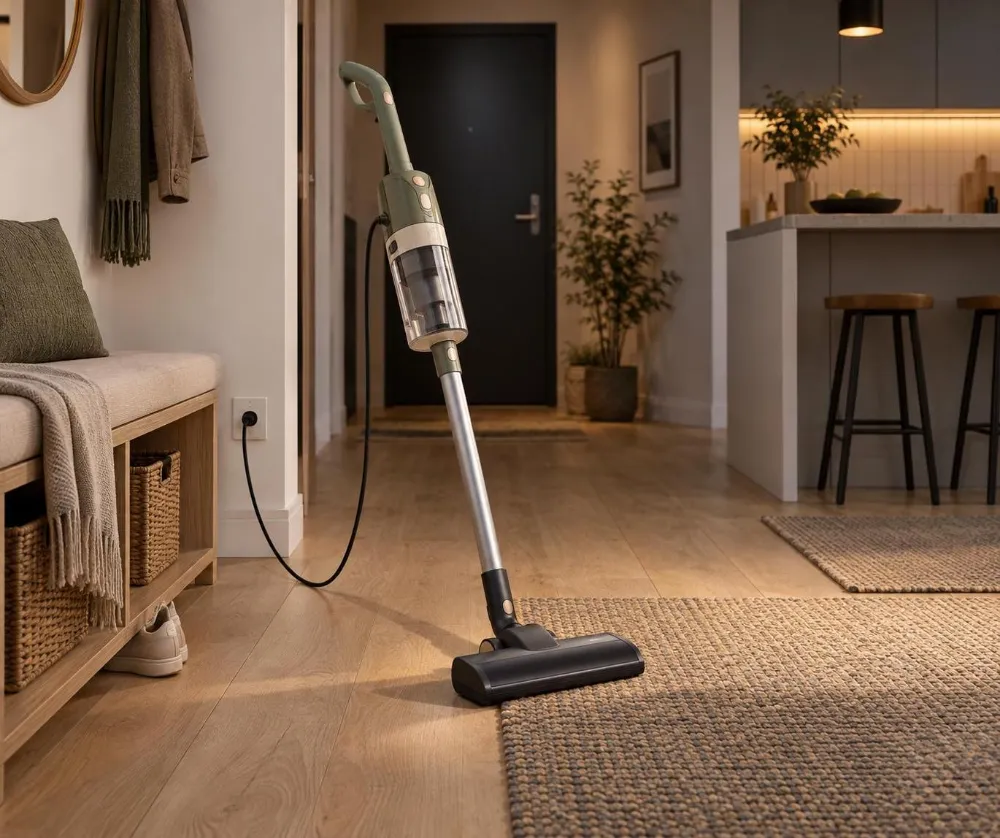
Imagine the scene: a homeowner has just finished vacuuming the hardwood floors in the living room. The floor looks spotless, and they feel satisfied. Then, they move to the fabric sofa. The same vacuum cleaner that performed flawlessly on the hard floor now struggles. It fails to lift the pet hair embedded in the fabric, and the dust from the cushions remains stubbornly in place. This is a common frustration faced by millions of households. The same vacuum that excels on one surface can be utterly ineffective on another. So, what is the secret behind a Vacuum Cleaner that works equally well on both hard floors and upholstery? The answer lies in a combination of intelligent design, adaptable engineering, and a deep understanding of surface physics.
A truly versatile Vacuum Cleaner is not a compromise; it is a triumph of engineering. It must generate enough suction to lift dust and debris, yet be gentle enough not to damage delicate fabric. It must navigate seamlessly from wide, open hardwood areas to the tight, contoured surfaces of upholstery. It must be powerful enough to extract deeply embedded particles, yet light and maneuverable enough to be lifted and moved easily. This article will dissect the critical factors that contribute to this versatility. We will explore the design of brush rolls, the science of suction, the importance of filtration, and the role of weight and maneuverability. By the end, you will have a clear framework for understanding what makes a Vacuum Cleaner truly effective across all the surfaces in your home.
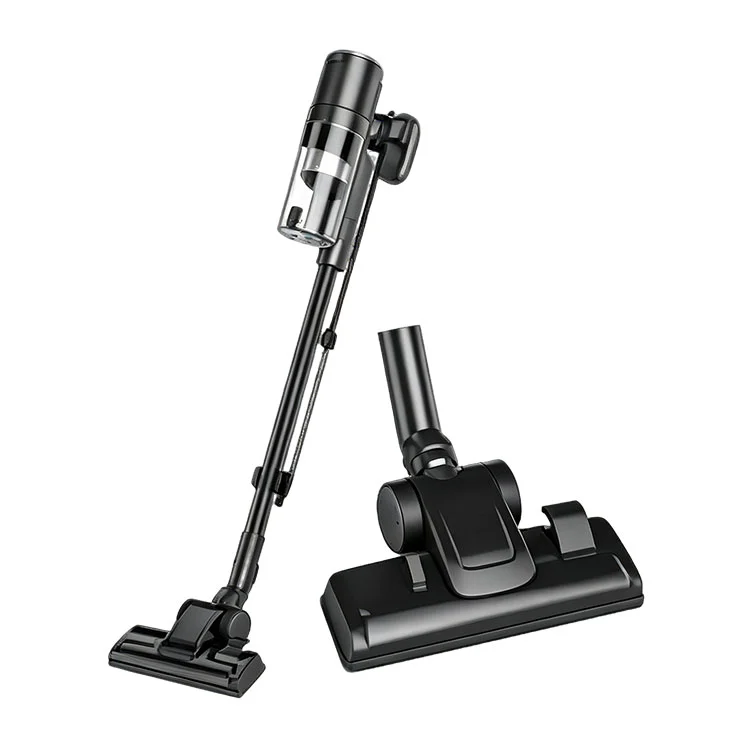
Table of Contents
- 1. What Is a Vacuum Cleaner and How Does It Work on Different Surfaces?
- 2. How Does Brush Roll Design Affect Performance on Hard Floors and Upholstery?
- 3. Why Does Suction Power Adjustment Matter for Surface Versatility?
- 4. What Role Does Filtration Play in Maintaining Cleaning Performance?
- 5. How Does Weight and Maneuverability Impact Cleaning Effectiveness?
- 6. What Are the Key Specifications to Look for in a Versatile Vacuum Cleaner?
- 7. Frequently Asked Questions (FAQ)
- 8. Conclusion
1. What Is a Vacuum Cleaner and How Does It Work on Different Surfaces?
A Vacuum Cleaner is a household appliance that uses an electric motor to generate a partial vacuum, creating a pressure difference that draws in air and entrained particles. This is the fundamental principle. The air is drawn into the nozzle, passes through a filter system, and exits the machine, depositing the collected debris in a bag or dustbin. However, the simplicity of this principle belies the complexity of the interaction between the vacuum and the surface it is cleaning. Different surfaces present different challenges to the Vacuum Cleaner, and the effectiveness of the cleaning depends on how the vacuum addresses these challenges.
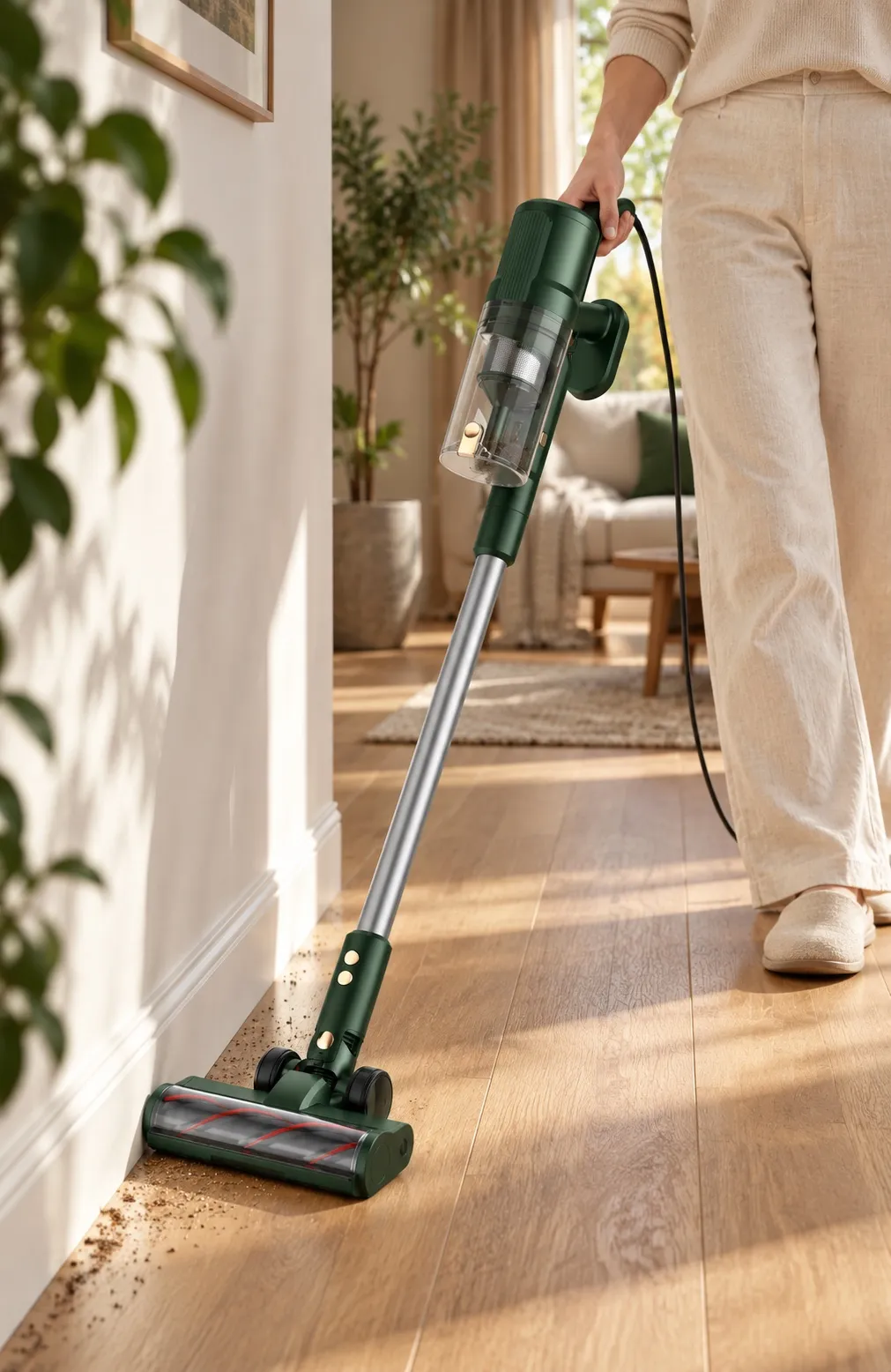
Consider the hard floor. A hard floor, such as wood, tile, or linoleum, is a relatively smooth, non-porous surface. Dust and debris sit on the surface and can be easily dislodged by the airflow. The challenge with hard floors is not to lift the debris, but to capture it before it is scattered by the airflow. The Vacuum Cleaner must be designed to create a sufficient seal with the floor to draw in air from all directions, and the brush roll (if present) must be gentle enough to avoid scratching the surface. A soft brush roll with a dedicated hard floor setting is essential for effective hard floor cleaning.
Upholstery, on the other hand, presents a more complex challenge. Fabrics are porous, with an open structure that traps dust and debris within the fibers. The Vacuum Cleaner must generate enough suction to draw the air through the fabric and pull the particles out, but it must also be gentle enough to avoid damaging the fibers. The brush roll on an upholstery attachment must be able to penetrate the fabric and agitate the fibers to loosen the debris, but it must also be gentle enough to prevent snagging or fraying. This fundamental difference explains why a one-size-fits-all approach rarely works. At Foshan TEH Electric Appliance Co., Ltd., our factory has developed a range of Vacuum Cleaner designed to meet these specific surface demands. Our engineering team has tested countless combinations of brush roll materials, suction levels, and airflow paths to create a Vacuum Cleaner that is truly versatile.
2. How Does Brush Roll Design Affect Performance on Hard Floors and Upholstery?
The brush roll is often the most visible part of a Vacuum Cleaner, and it is arguably the most critical component for surface versatility. The brush roll is a rotating cylinder fitted with bristles that agitate the surface being cleaned, loosening dirt and debris so that the suction can remove it. However, the design of the brush roll must be carefully matched to the surface to achieve optimal cleaning without causing damage. A brush roll that is too hard will scratch a wood floor, while a brush roll that is too soft will not have the necessary agitation to clean upholstery effectively.
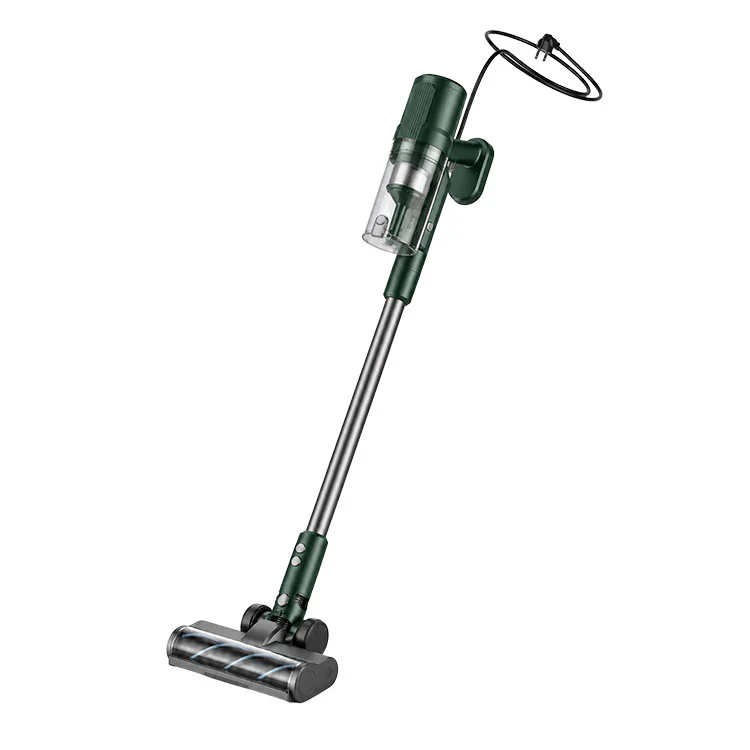
Let's examine the brush roll design process in detail. For hard floor cleaning, the ideal brush roll features soft bristles, often made from nylon or a similar synthetic material. These soft bristles are gentle on delicate surfaces, yet they are effective at sweeping dust and larger debris into the path of the suction. Some advanced Vacuum Cleaner models feature a hard floor brush roll with a combination of soft bristles and a rubber wiper blade that helps to create a seal with the floor, maximizing suction efficiency. For upholstery cleaning, a different brush roll design is required. The bristles are often stiffer and more densely packed, designed to penetrate the fabric and agitate the fibers. Some upholstery tools feature a motorized brush roll that spins at a high speed to create a vigorous beating action, which is excellent for removing embedded pet hair and ground-in dirt.
The table below compares the design considerations for hard floor and upholstery brush rolls in a Vacuum Cleaner.
| Design Factor | Hard Floor Brush Roll | Upholstery Brush Roll | Why It Matters |
| Bristle Material | Soft nylon or synthetic | Stiff nylon, natural bristles, or rubber | Soft bristles prevent scratching; stiff bristles provide agitation |
| Bristle Density | Moderate | High | Higher density provides more contact with fabric fibers |
| Brush Roll Speed | Low to moderate | High | High speed provides deep agitation for upholstery |
| Brush Roll Shape | Straight, with wiper strip | Can be curved or with multiple rows | Straight design for even floor contact; curved for fabric penetration |
| Bristle Height | Short | Longer | Longer bristles reach deeper into upholstery fibers |
At our factory, we recognize that a single brush roll cannot perform equally well on both surfaces. That is why we have designed our Vacuum Cleaner with interchangeable brush rolls. The user can simply click in the appropriate brush roll for the surface they are cleaning. Our hard floor brush roll is engineered with soft, anti-scratch bristles and a rubber wiper, while our upholstery brush roll features a motorized head with stiff bristles for deep cleaning. This modular approach gives the user the best of both worlds, ensuring that the Vacuum Cleaner is effective on every surface in the home. This flexibility is a key feature that sets our products apart.
3. Why Does Suction Power Adjustment Matter for Surface Versatility?
Suction power is the lifeblood of any Vacuum Cleaner. Without sufficient suction, the machine cannot lift dirt and debris from any surface. However, too much suction can be just as problematic as too little, particularly when cleaning delicate surfaces. On a hard floor, excessive suction can cause the nozzle to stick to the floor, making the Vacuum Cleaner difficult to push and creating an unpleasant screeching sound. On upholstery, excessive suction can be even more damaging. It can pull the fabric into the nozzle, blocking the airflow and potentially tearing the material. This is why suction power adjustment is a critical feature for a versatile Vacuum Cleaner.
Suction power adjustment allows the user to tailor the machine's performance to the specific surface being cleaned. For hard floors, a moderate suction level is usually ideal. It provides enough airflow to lift dust and debris without causing the nozzle to stick. The user can also reduce the suction when moving from a hard floor to a delicate rug or when using a crevice tool. For upholstery, a lower suction setting is often recommended. It allows the brush roll to agitate the fabric without the risk of the suction pulling the fabric into the nozzle. In our factory, we have tested a range of suction levels on different surfaces to determine the optimal settings. Our Vacuum Cleaner features an intuitive suction control dial that allows the user to easily adjust the power.
Some advanced Vacuum Cleaner models feature automatic suction control. These machines use sensors to detect the surface type and adjust the suction accordingly. For example, when the Vacuum Cleaner is moved from a hard floor to a rug, the suction is automatically increased to penetrate the thicker fibers. Conversely, when it is moved to a delicate fabric, the suction is automatically reduced. This is a significant convenience feature that ensures optimal cleaning performance without any user input. The table below provides a comparison of the different suction control methods.
| Suction Control Type | How It Works | Advantages | Disadvantages |
| Manual Dial | User turns a dial to adjust suction | Simple, reliable, low cost | Requires user knowledge and adjustment |
| Slider Control | User slides a control to adjust suction | Intuitive, easy to use | May not offer fine control |
| Automatic Sensor | Sensor detects surface and adjusts suction | Hands-free, optimal cleaning | Higher cost, more complex |
| Foot Control | User steps on a pedal to adjust suction | Hands-free adjustment while vacuuming | Can be less precise |
The ability to adjust suction power is not just a convenience feature; it is essential for surface versatility. Without it, the user is forced to compromise. They must either clean delicate surfaces with too much suction, risking damage, or clean hard floors with too little suction, leaving dirt behind. A Vacuum Cleaner with precise suction control is a versatile tool that can tackle any cleaning task effectively and safely. At Foshan TEH Electric Appliance Co., Ltd., we have integrated advanced suction control technology into our Vacuum Cleaner, ensuring that it performs flawlessly across all surfaces.
4. What Role Does Filtration Play in Maintaining Cleaning Performance?
Filtration is a critical but often overlooked component of a Vacuum Cleaner's effectiveness. The filtration system is responsible for trapping the dust and debris that the Vacuum Cleaner collects, preventing it from being expelled back into the air. A clogged filter can reduce suction power by up to 50%, significantly reducing the machine's cleaning performance. A poor-quality filter can also release fine particles back into the air, creating a health hazard. The effectiveness of the filtration system is therefore crucial for both cleaning performance and indoor air quality.
There are several types of filtration systems used in Vacuum Cleaner. The most common are bag-based filters, cyclonic filters, and HEPA filters. Bag-based filters are simple and effective. The dust and debris are collected in a disposable bag that acts as the primary filter. When the bag is full, it is simply replaced. Cyclonic filters, such as those used in bagless Vacuum Cleaner, use centrifugal force to separate the dust from the air. The heavy dust particles are thrown to the outside of the cyclone, where they fall into the dustbin. The clean air then passes through a secondary filter before being expelled. HEPA (High-Efficiency Particulate Air) filters are the most effective type of filter, capable of capturing 99.97% of particles as small as 0.3 microns. This makes them ideal for allergy sufferers and for use in homes with pets.
The choice of filtration system has a significant impact on the Vacuum Cleaner's versatility. A HEPA filter is essential for anyone who suffers from allergies or asthma, as it ensures that the Vacuum Cleaner does not release harmful particles back into the air. However, HEPA filters can be more expensive and may require more frequent replacement. Cyclonic filters are a good option for general use, as they provide effective filtration without the need for disposable bags. Our Vacuum Cleaner is equipped with a high-efficiency filtration system that includes a pre-filter, a cyclonic separator, and a HEPA filter. This multi-stage filtration system ensures that the suction power remains high and that the air expelled by the machine is clean and healthy. The table below compares the different filtration technologies.
| Filtration Type | How It Works | Efficiency | Maintenance | Best For |
| Bag Filter | Air passes through disposable bag | Moderate | Replace bag when full | General cleaning |
| Cyclonic Separator | Centrifugal force separates dust | High | Empty dustbin, wash pre-filter | General cleaning |
| HEPA Filter | Fibrous filter captures fine particles | 99.97% at 0.3 microns | Replace annually or as needed | Allergy sufferers, pet owners |
| Water Filtration | Air passes through water | Very high | Empty and clean water tank | High-end models |
A clogged filter is one of the most common causes of performance degradation in a Vacuum Cleaner. As the filter fills with dust, the resistance to airflow increases, reducing the suction power. The user may notice that the Vacuum Cleaner is no longer picking up debris effectively, or that it is making a higher-pitched sound. This is why regular filter maintenance is essential. Our Vacuum Cleaner is designed with a filter-cleaning reminder indicator that alerts the user when the filter needs attention. This simple feature helps to ensure that the Vacuum Cleaner maintains its optimal cleaning performance over the long term.
5. How Does Weight and Maneuverability Impact Cleaning Effectiveness?
A Vacuum Cleaner can have the most powerful suction, the most effective brush roll, and the best filtration system in the world. But if it is too heavy or too difficult to maneuver, it will not be used effectively, and it will not clean well. The physical design of the Vacuum Cleaner—its weight, balance, and steering—directly impacts how easy it is to use and, consequently, how clean the home becomes. This is particularly true when cleaning upholstery, where the Vacuum Cleaner must be lifted and maneuvered over the surfaces of sofas, chairs, and car interiors.
Weight is the most obvious factor. A heavy Vacuum Cleaner is difficult to carry up and down stairs, and it is tiring to push across a large room. This fatigue can lead to poor cleaning habits, such as rushing through the cleaning or avoiding certain areas. A lighter Vacuum Cleaner is much easier to use, encouraging the user to clean more thoroughly and more frequently. For upholstery cleaning, the weight of the Vacuum Cleaner is even more critical. A heavy machine is awkward to lift and maneuver over the contours of a sofa, and it can be difficult to hold in position for any length of time. A lightweight Vacuum Cleaner with a comfortable handle is much easier to use on upholstery.
Maneuverability is the other key factor. A Vacuum Cleaner with a swivel head is much easier to steer around furniture and into tight corners. The swivel head allows the nozzle to rotate independently of the main body, making it easy to follow the contours of a room. A swivel head is also essential for cleaning around the legs of tables and chairs. On upholstery, a Vacuum Cleaner with a flexible hose and a range of attachments is essential for reaching into crevices and cleaning the contours of the furniture. The design of the handle is also important. A comfortable grip reduces fatigue and improves control.
Our factory at Foshan TEH Electric Appliance Co., Ltd. has conducted extensive research on the ergonomics of Vacuum Cleaner. We have tested a range of handle designs, weight distributions, and steering systems to identify the most comfortable and effective designs. The result is a Vacuum Cleaner that is lightweight, well-balanced, and easy to steer. The vacuum's swivel head provides exceptional maneuverability, and the lightweight design makes it easy to carry and use on upholstery. The combination of low weight and high maneuverability makes the Vacuum Cleaner effective on hard floors and upholstery. The table below provides a guide to the weight and maneuverability features that enhance a Vacuum Cleaner's versatility.
| Feature | Benefit | Impact on Cleaning |
| Lightweight Design | Easier to carry and push | Reduces fatigue, encourages thorough cleaning |
| Swivel Steering | Easier to steer around furniture | Improves access to tight spaces |
| Ergonomic Handle | Comfortable grip, reduces strain | Improves control and reduces user fatigue |
| Flexible Hose | Reaches into crevices and corners | Essential for upholstery and car cleaning |
| Range of Attachments | Tailored cleaning for different surfaces | Improves versatility and cleaning effectiveness |
6. What Are the Key Specifications to Look for in a Versatile Vacuum Cleaner?
When selecting a Vacuum Cleaner that is effective on both hard floors and upholstery, it is important to look beyond the marketing claims and examine the key technical specifications. These specifications provide a quantitative measure of the machine's performance and allow for a direct comparison between different models. The most important specifications to consider are suction power (measured in air watts or pascals), filtration efficiency, brush roll design, weight, and the number and type of attachments included.
Suction power is typically measured in air watts (AW) or pascals (Pa). Air watts are a measure of the total power of the airflow, while pascals measure the static pressure or "sucking power." Higher air watts and pascals generally indicate a more powerful Vacuum Cleaner. However, it is important to remember that suction power alone is not the only factor. A Vacuum Cleaner with high suction but poor brush roll design may not clean effectively, while a machine with moderate suction but a well-designed brush roll can be extremely effective. The filtering efficiency is measured by the filter's ability to capture fine particles. A HEPA filter rating is the gold standard, indicating that the filter can capture 99.97% of particles as small as 0.3 microns.
The brush roll design is specified by the bristle material, bristle density, and motor speed. The weight of the Vacuum Cleaner is typically measured in kilograms or pounds. A lighter Vacuum Cleaner is easier to maneuver and lift, making it more suitable for upholstery cleaning. The attachments included are a key indicator of the machine's versatility. The table below provides a summary of the key specifications for a versatile Vacuum Cleaner.
| Specification | Ideal Value | Importance for Versatility |
| Suction Power | > 150 AW or > 15,000 Pa | Sufficient for all surfaces, including upholstery |
| Filtration | HEPA | Essential for allergy sufferers and pet owners |
| Brush Roll Type | Interchangeable soft and stiff bristle | Allows optimal cleaning on different surfaces |
| Weight | < 5 kg for upright models | Easier to carry and use on upholstery |
| Attachments Included | Crevice tool, upholstery tool, soft brush | Provides tailored cleaning for different surfaces |
| Warranty | > 2 years | Indicates the manufacturer's confidence in the product |
By focusing on these specifications, consumers can make an informed decision and select a Vacuum Cleaner that will perform effectively on a wide range of surfaces. Our Vacuum Cleaner meets all of these criteria, making it a versatile and reliable choice for home cleaning.
7. Frequently Asked Questions (FAQ)
Question 1: Can the same brush roll be used effectively on both hard floors and upholstery?
Answer: While some Vacuum Cleaner models offer a "hard floor" setting that reduces brush roll speed, a single brush roll is rarely optimal for both surfaces. A soft brush roll is ideal for hard floors, while a stiffer brush roll is needed for upholstery. For the best results, we recommend a Vacuum Cleaner with interchangeable brush rolls, such as those manufactured by Foshan TEH Electric Appliance Co., Ltd. Our brush rolls are designed for specific surfaces, ensuring optimal performance every time.
Question 2: What is the difference between air watts (AW) and pascals (Pa) in suction power?
Answer: Air watts (AW) measure the total power of the airflow, taking into account both the suction (pressure) and the airflow rate (volume). Pascals (Pa) measure static pressure only, indicating the "sucking power" of the Vacuum Cleaner. Both are valid measures, but air watts provide a more comprehensive picture of overall cleaning performance. A Vacuum Cleaner with higher air watts generally has stronger suction and better cleaning ability across all surfaces.
Question 3: How often should I clean or replace the filters in my Vacuum Cleaner?
Answer: The frequency of filter cleaning or replacement depends on the type of filter and the usage. As a general rule, washable pre-filters should be cleaned every 1-2 months. HEPA filters should be replaced every 6-12 months, or more frequently if you have pets or allergies. Our Vacuum Cleaner features a filter-cleaning reminder that alerts you when the filter needs attention, ensuring optimal suction power and cleaning performance.
Question 4: Does a Vacuum Cleaner with a larger dustbin clean better than one with a smaller dustbin?
Answer: A larger dustbin does not directly improve cleaning performance. However, it does allow you to clean for longer periods without emptying the bin, which can be a significant convenience. The cleaning performance is determined by the suction power, brush roll design, and filtration system. Our Vacuum Cleaner strikes a balance, offering a generous dustbin capacity without compromising the machine's weight or maneuverability.
Question 5: Is a cordless Vacuum Cleaner as effective on hard floors and upholstery as a corded model?
Answer: Modern cordless Vacuum Cleaner have made significant advances in suction power and battery life. Many cordless models, such as those from our factory, are now capable of delivering performance that is very close to that of corded models. However, for extensive deep cleaning, a corded model may still offer slightly more continuous power. For everyday cleaning and smaller homes, a cordless model is highly effective and offers the advantage of greater maneuverability.
8. Conclusion
A Vacuum Cleaner's effectiveness on hard floors and upholstery is not determined by a single feature, but by a combination of engineering decisions. The brush roll design must be adapted to the surface, the suction power must be adjustable, and the filtration system must be effective. The weight and maneuverability must be optimized for ease of use. By understanding these factors, users can select a Vacuum Cleaner that is truly versatile and effective on every surface in their home. The key to a clean home is not just the Vacuum Cleaner itself, but how well it adapts to the surfaces it cleans.
At Foshan TEH Electric Appliance Co., Ltd., we have dedicated ourselves to designing Vacuum Cleaner that meet these demands. Our products feature interchangeable brush rolls, adjustable suction power, high-efficiency filtration, and ergonomic designs that make cleaning easy and effective. Whether you are cleaning hardwood floors, plush carpets, or delicate upholstery, our Vacuum Cleaner is engineered to deliver exceptional results. We invite you to explore our range of products and discover the difference that thoughtful engineering can make. For more information or to place an order, please contact us today.
Contact Foshan TEH Electric Appliance Co., Ltd. today to learn more about our versatile Vacuum Cleaner solutions and how they can meet your specific cleaning needs.
Related News
- How to Test a Vacuum Cleaner Before You Buy It
- How to Choose the Best Vacuum Cleaner for a Large Home
- How to Store a Vacuum Cleaner So It Is Ready for the Next Clean
- What Does Vacuum Cleaner Noise Level Really Mean at Home
- How Long Should a Vacuum Cleaner Cord Be for a Whole Home
- How to Clean a Vacuum Cleaner Filter Without Damaging It
Leave me a message