
Why Does My Vacuum Cleaner Smell Bad Safe Checks to Try
A practical guide for everyday cleaning and informed product choices
A vacuum cleaner smells bad for several possible reasons, and the smell itself matters. Dust, damp debris, hair around a roller and a loaded filter can create stale odours. A hot or burning smell is different: stop using the machine, unplug it and seek qualified service. Do not keep running it to “burn off” an odour. For a routine musty smell, begin with a cool, disconnected vacuum and follow the manual. The aim is to find the source without adding water or opening parts that are not designed for user service.
Use the checks below to distinguish ordinary retained dust from heat, electrical or material faults. Keep the machine unplugged while checking the approved cup, filter and inlet areas, and do not add fragrance or liquid to mask the smell.
Decide whether it is a warning smell
A dusty or stale odour after a long period in storage is not the same as hot insulation, melting plastic or electrical burning. If the smell is sharp, intensifies while running or comes with heat, smoke, sparks or a damaged cable, stop immediately. Unplug from a safe position and do not restart the vacuum. Keep people away until it is cool, then contact an authorized service provider. No troubleshooting checklist is more important than responding to an electrical warning sign.
Empty and inspect the dust cup
Switch off and unplug before removing the cup. Dispose of debris in a suitable bin, then check whether damp material, food crumbs or hair has been left inside. Wipe only the surfaces the manual allows and dry every part completely before reassembly. Never spray fragrance or deodorizer into the cup or airflow path; it can leave residue or reach parts that are not meant to be wet. A transparent cup makes it easier to notice residue around the inlet and cyclone.
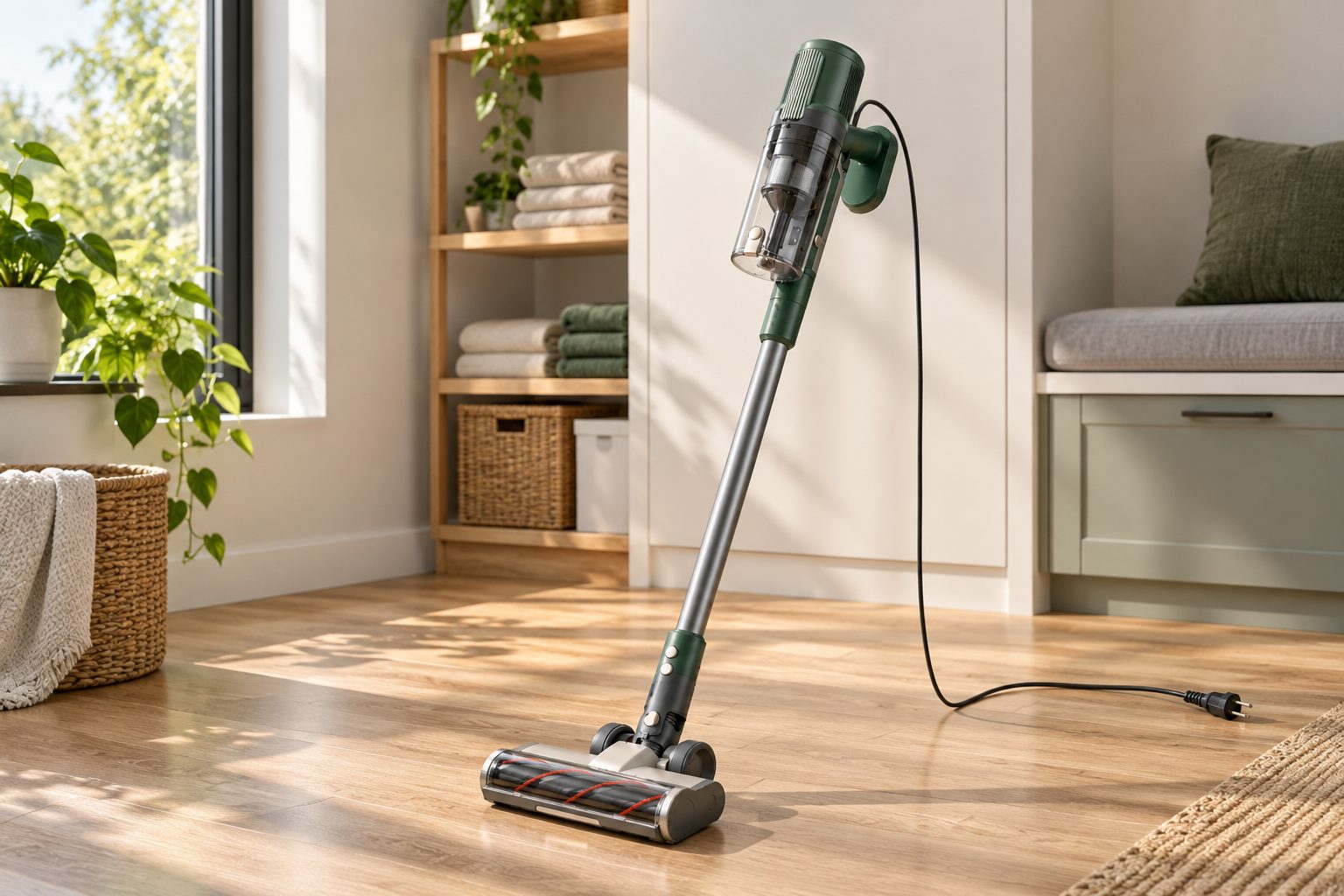
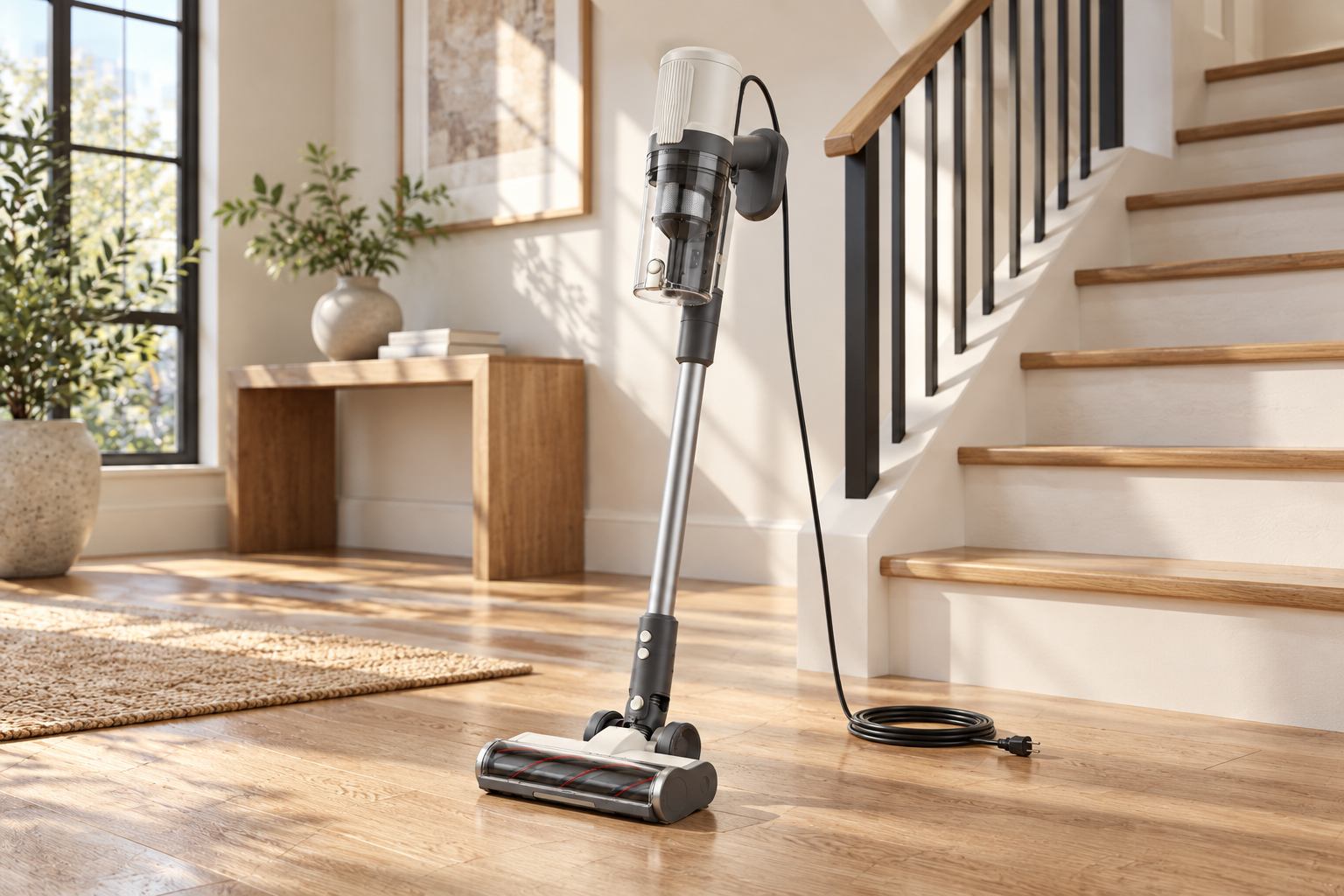
Figure 1 | Switch off and check the easy-to-reach collection parts first.
Look at the roller and inlet
Hair and thread can collect at the roller ends, where trapped debris may smell after repeated use. Disconnect power and inspect only through the access door or method described in the manual. Keep fingers and scissors away from belts, wires and soft parts unless the design specifically provides a cutting channel. Check the inlet for anything damp or sticky; a dry vacuum should not be used to collect wet mess. If debris is out of reach, arrange service instead of forcing tools inside.
Check the filter and drying instructions
A loaded or damp filter can hold odours, but cleaning rules vary by filter type. Confirm the exact part and care method before tapping, brushing or rinsing it. If washing is allowed, dry it fully in the way the manual specifies; do not reinstall it because the outside feels dry. Replace a damaged or persistently odorous filter with the correct grade and part number. Scented inserts or unapproved chemicals may affect airflow or materials and should not be added without manufacturer guidance.
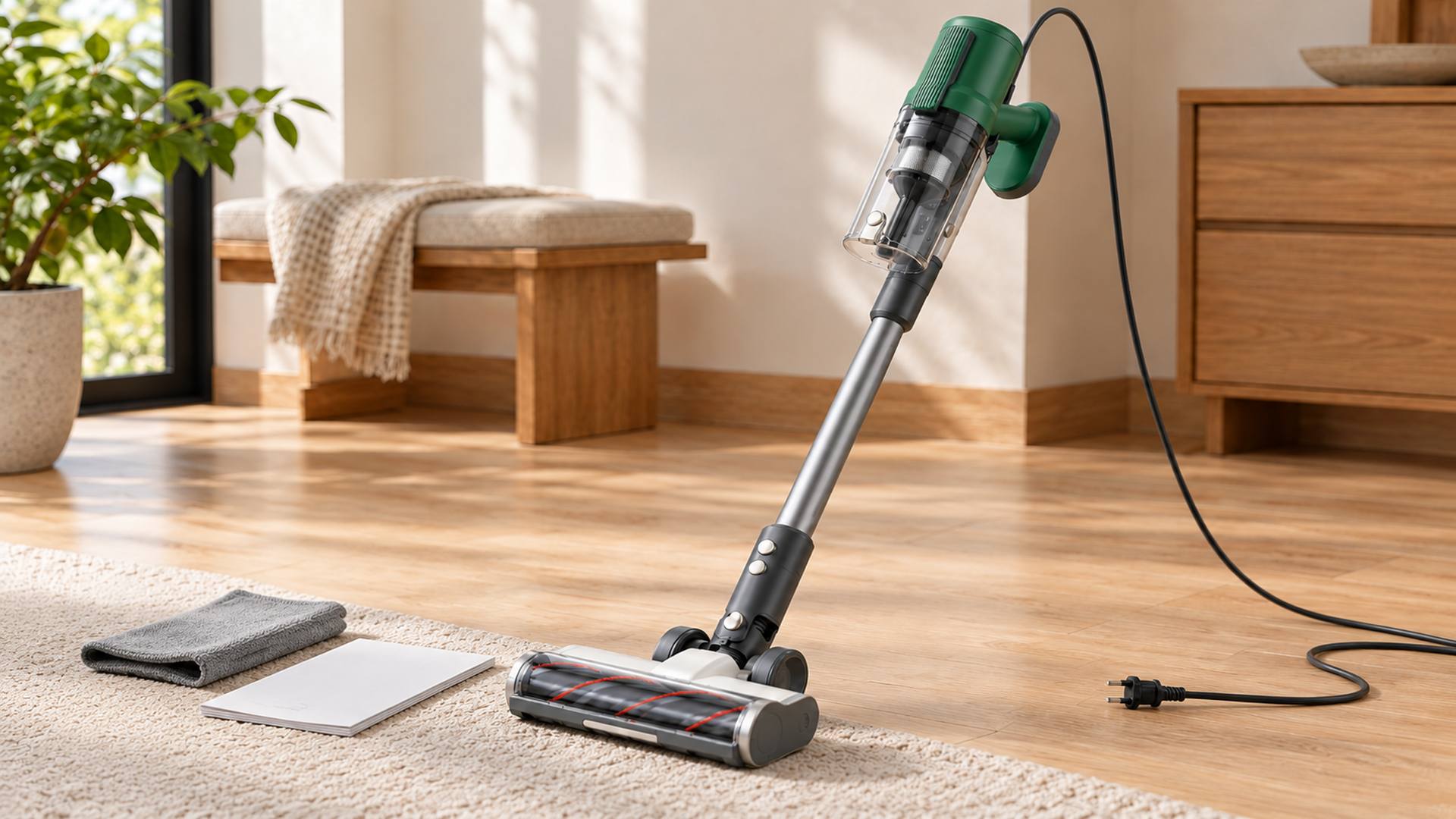
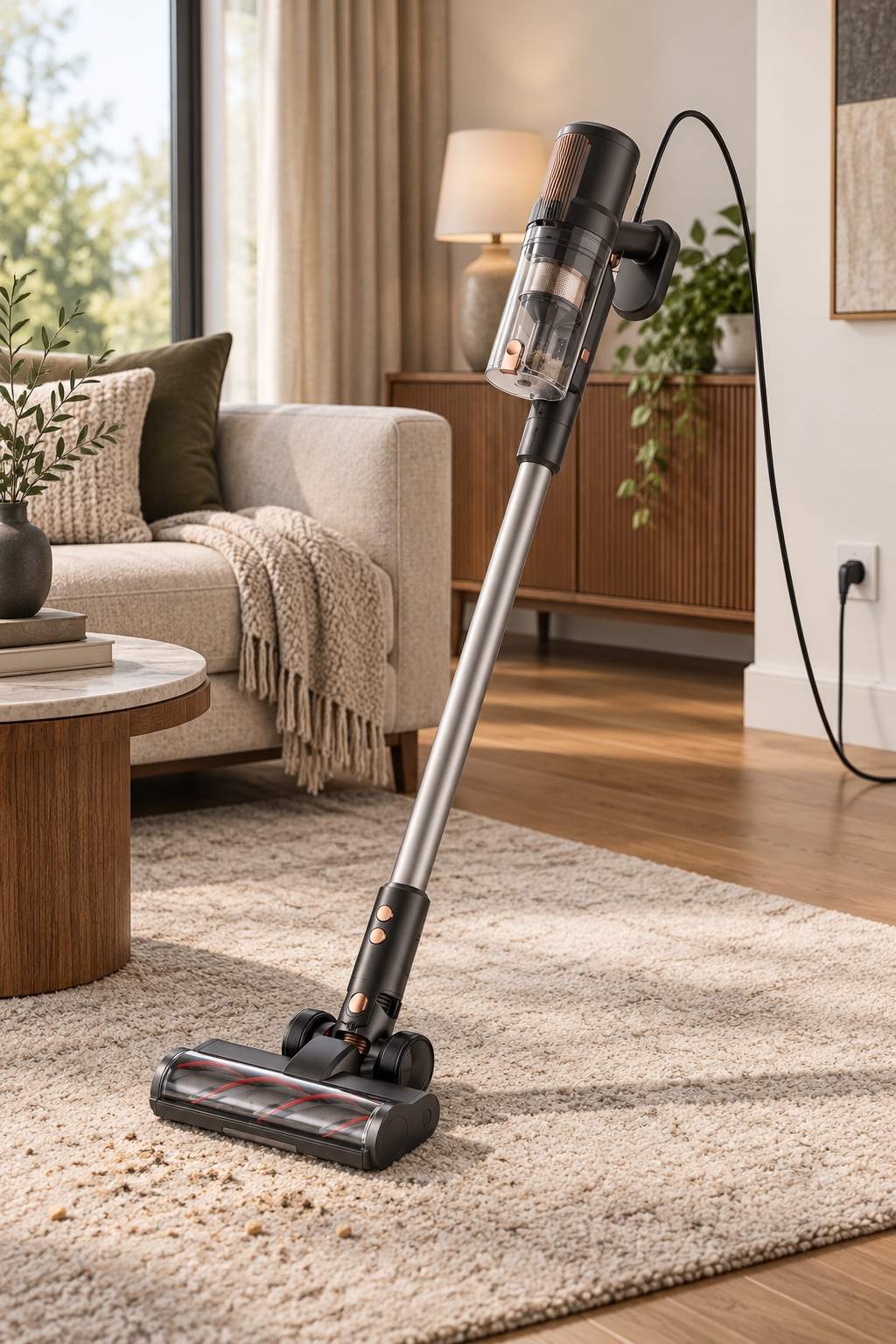
Figure 2 | Follow the manual before cleaning or replacing filters and seals.
Let the machine cool and dry fully
If the vacuum has picked up permitted dust only but still has a mild stale smell, allow the emptied cup and serviceable parts to air out in a clean, dry place. Do not leave the motor body in direct sun or near a heater. Keep the filter compartment open only as the manual allows, and reassemble before storing the machine where dust or moisture can enter. If the smell returns quickly, stop masking it with fragrance and investigate the source or request service.
Use the complaint to improve product support
A vacuum cleaner manufacturer should distinguish ordinary dust odour from a thermal or electrical complaint in its troubleshooting guide. For an OEM vacuum cleaner, provide clear filter care, drying times, roller access and a stop-use instruction for burning smells. Importers should record the sample code, filter, floor head, usage history and exact customer wording. That record helps identify a recurring service issue without promising that every odour can be fixed by washing a filter.
Do not cover the smell before finding its source
A scented spray may hide an odor for a short time, but it cannot clear a blockage or repair an electrical fault. Unplug the vacuum and check only the cup, filter and roller areas that the manual identifies as user-accessible. Look for trapped damp debris, hair or a material that should not have been vacuumed. Do not rinse a filter or cup unless the instructions explicitly allow it, and let any approved washable part dry fully before reinstalling. If the smell is sharp, smoky or like hot insulation, stop using the machine and arrange qualified service rather than continuing to test it. When contacting support, describe when the odor starts, which floor head was fitted and whether the machine recently picked up unusual debris.
How the product details fit this question
H12 HEPA is the documented standard filter for the TEH platform, while H13 is a higher-cost customization. Neither grade tells the owner whether a filter can be washed or how to remove an odor. Keep care and drying directions tied to the final model manual; do not promise that a filter or cup is washable unless the exact instructions say so. Persistent hot or electrical smells need service, not fragrance.
For importers and OEM buyers
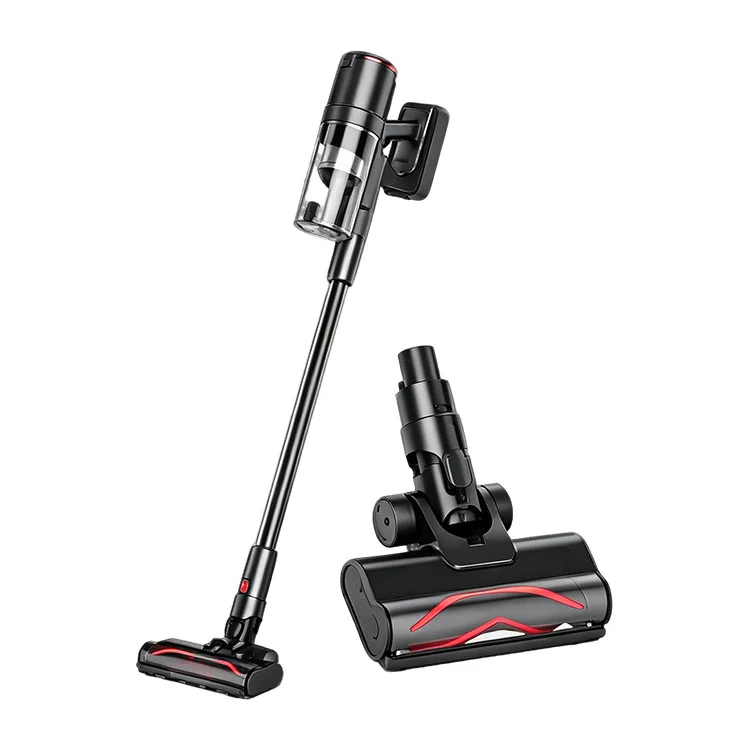
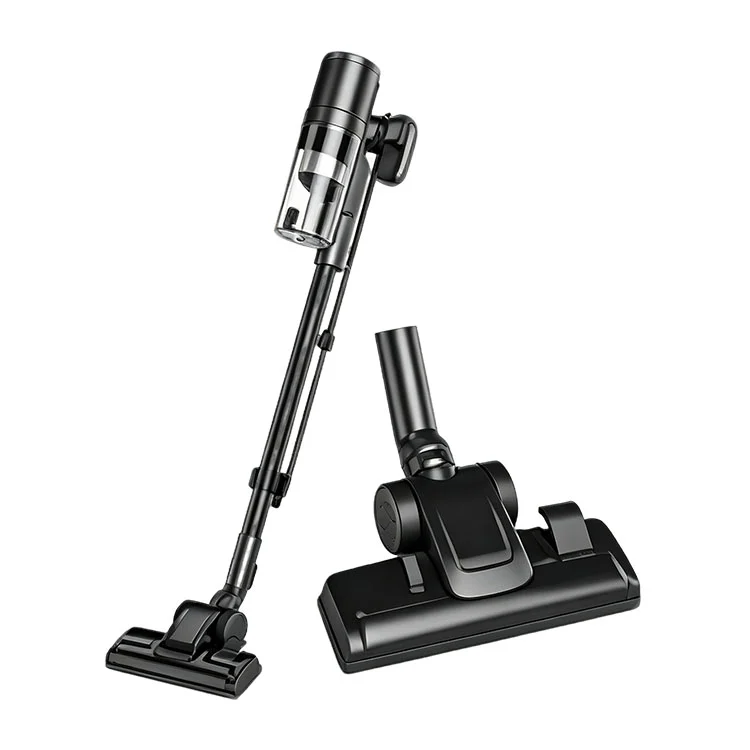
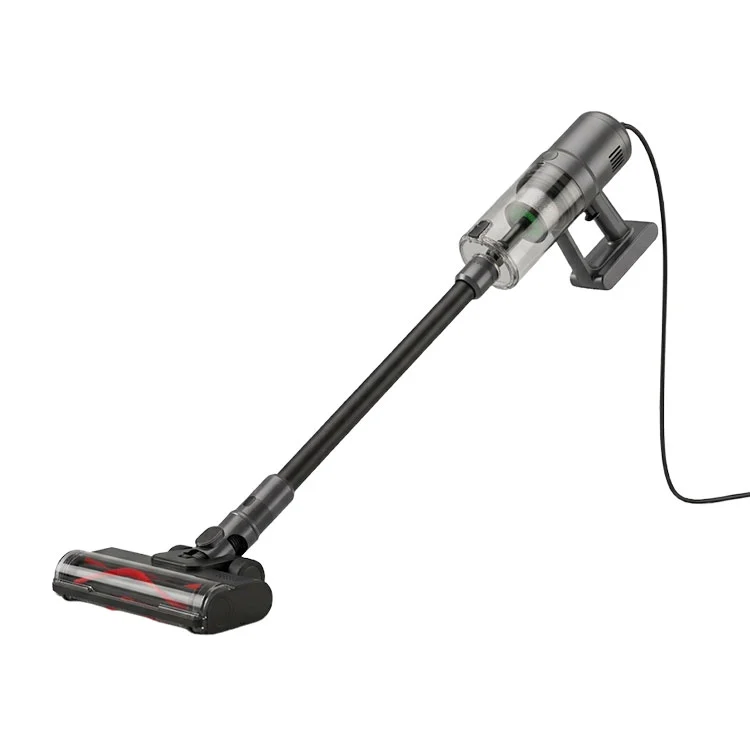
For this topic, the TEH Corded Stick Vacuum Cleaner should be assessed on the approved floor head, filter and electrical version—not on a render alone. The pine green with matte black details finish in the images is a concept direction only. Match any consumer-facing statement to the relevant test condition and final sample.
For importers, keep the approved sample, quotation, instruction manual, packaging and online copy aligned. Record the floor head, cup, filter grade, cord length, plug, voltage, frequency and any replacement parts relevant to this article. A vacuum cleaner manufacturer or supplier should identify standard options versus custom requests. Do not carry a claim across a configuration change without checking it again.
Frequently Asked Questions
Why does my vacuum cleaner smell bad when running?
Dust, damp residue, hair or a loaded filter can be involved, but a hot or burning smell requires immediate stop-use and service.
Can I spray deodorizer inside a vacuum?
Do not add fragrance or liquid unless the product instructions specifically approve it.
Should I keep using a vacuum that smells burnt?
No. Unplug it and contact qualified service; do not restart it to test whether the smell goes away.
Explore TEH Vacuum Cleaner Options
View the TEH Corded Stick Vacuum Cleaner or browse the TEH Vacuum Cleaner range. For a sample or configuration discussion, use the Send Inquiry page.
Related News
- Vacuum Cleaner Brush Not Spinning Safe Checks Before Service
- Vacuum Cleaner for Car Interior What a Home Model Can and Cannot Do
- Can You Vacuum Kitchen Floors What to Pick Up and Avoid
- Vacuum Cleaner Lost Suction Check These Common Causes First
- How to Vacuum an Area Rug Without Pulling or Bunching It
- Best Vacuum Cleaner for Stairs What to Check Before You Buy
Leave me a message