
Brushless vs Brushed Vacuum Motor: What Changes in Daily Use
Compare brushless and brushed vacuum motors through noise, wear, service, power consistency and sample testing.
Brushless and brushed vacuum motors can both move air, but their ownership experience may differ in wear, noise, control and service. The useful comparison is not a promise that one design wins in every home. It is a check of the exact motor, floor head, power path and test condition used in the final product. For a household shopper, this means asking how the complete machine behaves over a normal session. For a buyer, it means keeping the motor code and controller tied to the tested sample.
The useful answer is usually a sequence of small checks rather than one dramatic specification. Walk through the routine below, then test the exact configuration if you are buying for a retail programme. Keep a short written record of the floor, head, filter, power version and anything that changed during the route; it will make the final decision easier to explain.
Understand what the motor label does not tell you
A brushed motor uses brushes as part of the electrical contact; a brushless design controls the motor without those wear components. That architecture can influence service, control and noise, but the label does not tell you the quality of bearings, electronics, cooling or assembly. Compare the complete product and its documented test rather than treating brushless as a guarantee of every performance benefit.
Wear and service follow different paths
Brushes are expected wear parts in a brushed motor, while a brushless system shifts more responsibility to its controller and electronics. Ask which assemblies can be replaced, how a fault is diagnosed and whether service parts will remain available. A lower number of wear components can be useful, but a sealed assembly with no support may still be expensive to resolve.
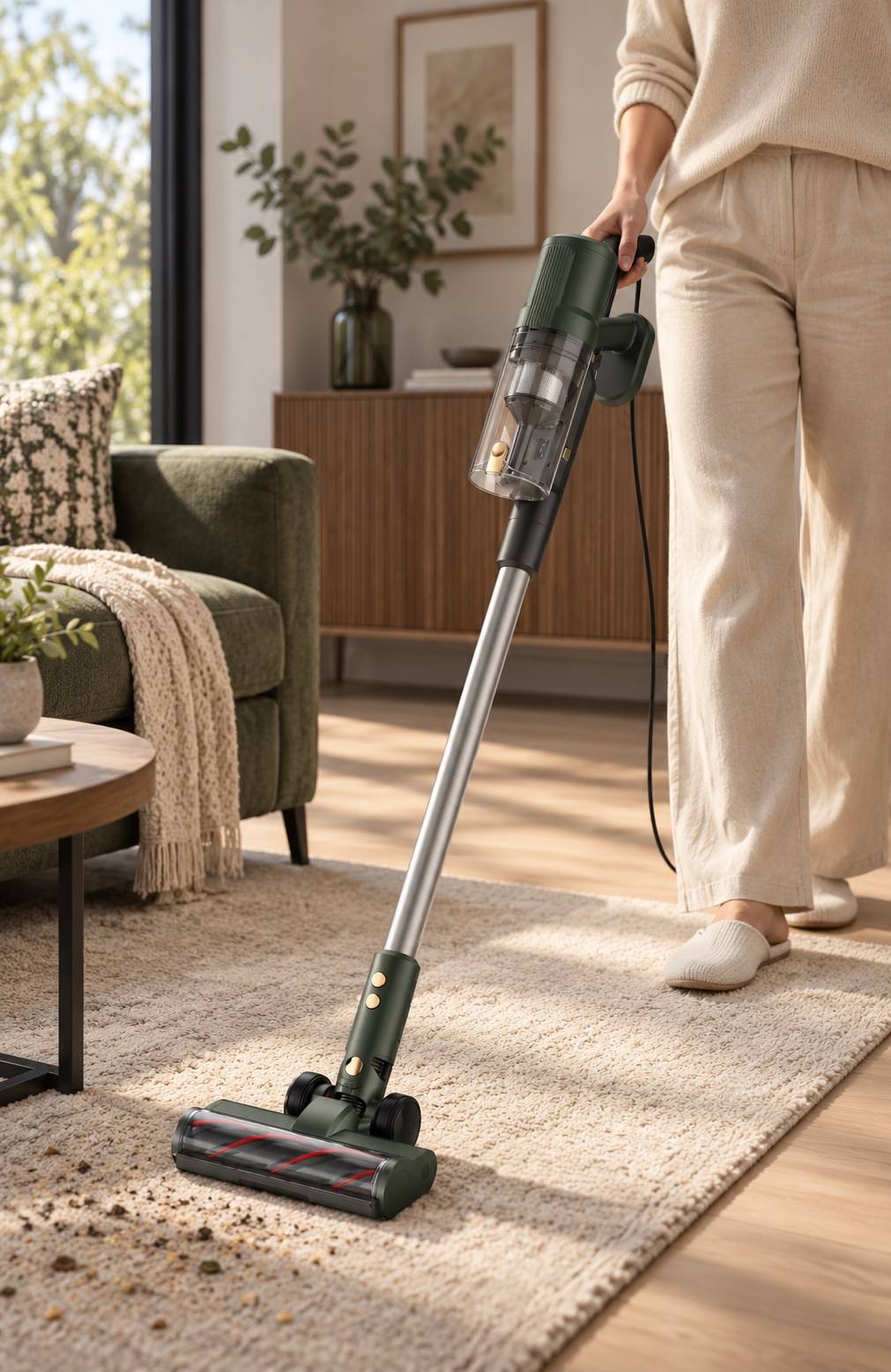
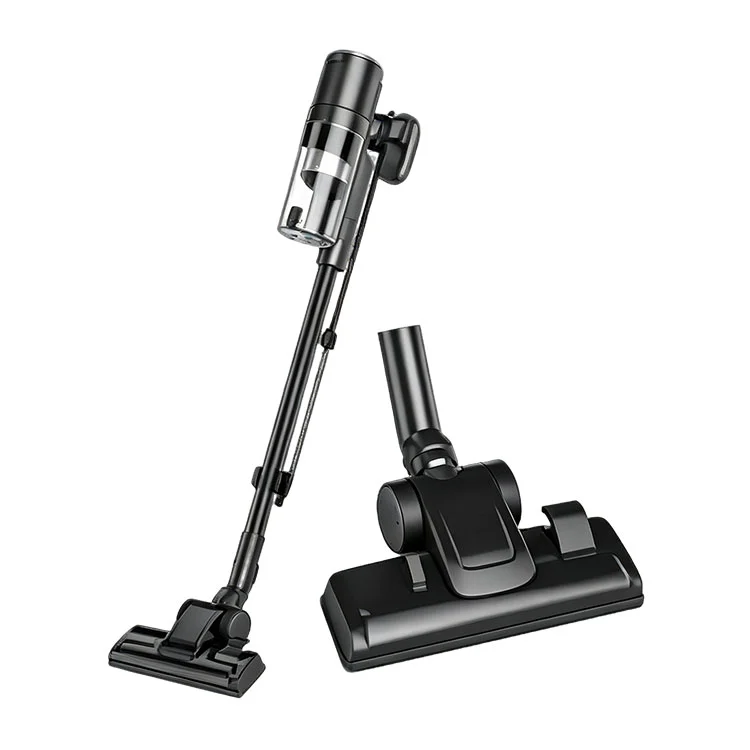
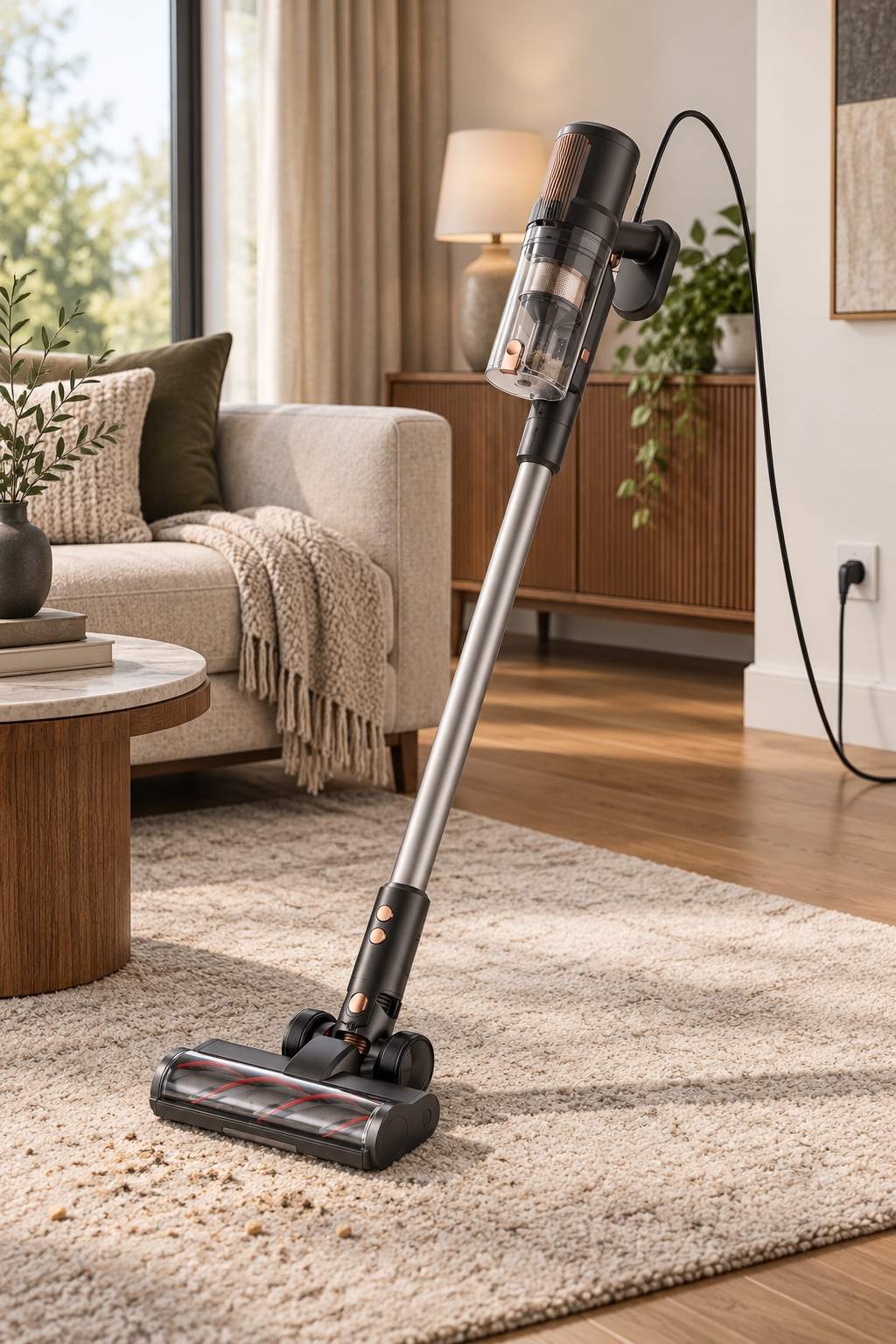
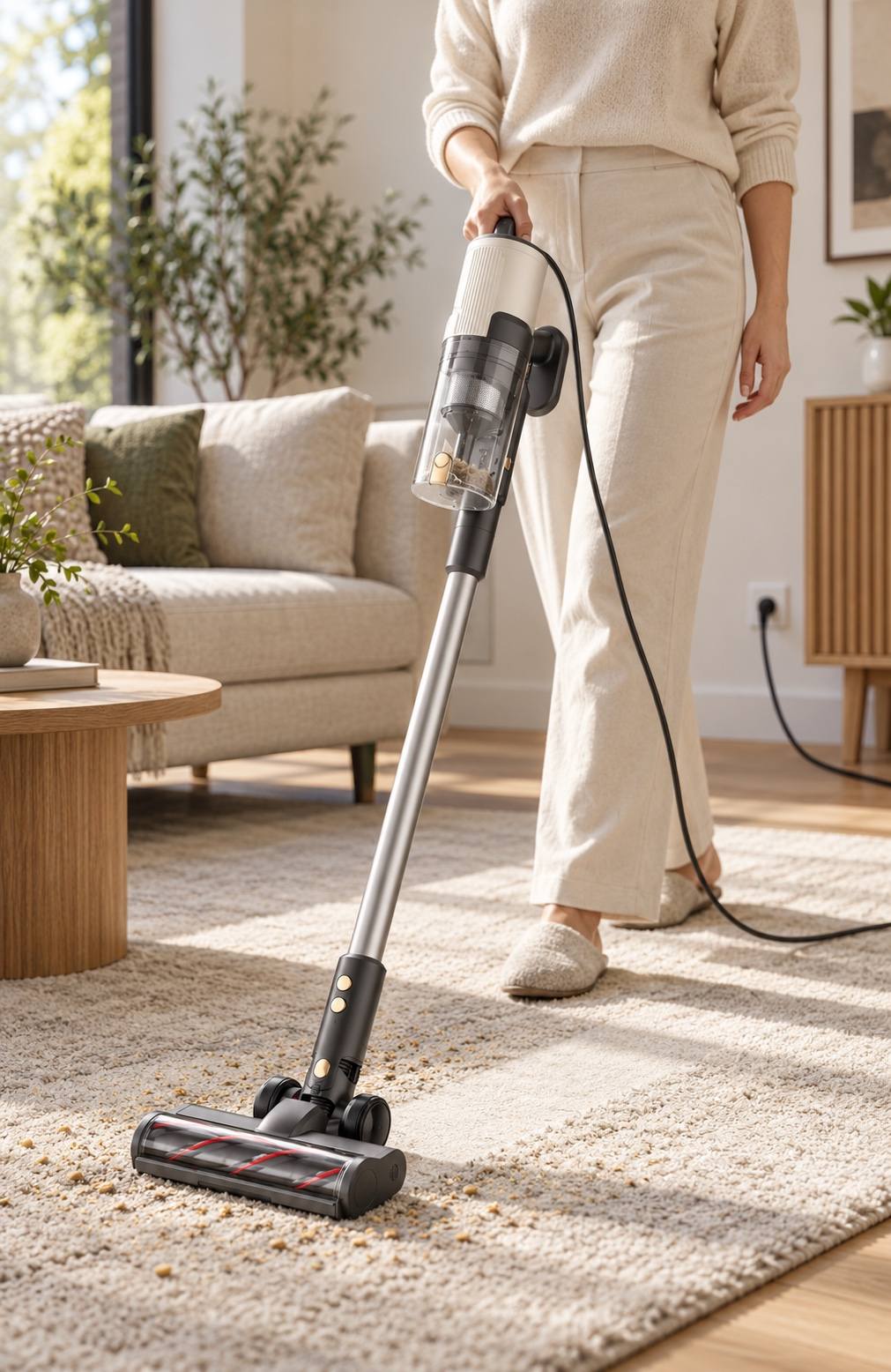
Figure 1 | Test brushless motor in the real cleaning route.
Long sessions reveal heat and control
Run the final vacuum through a realistic cleaning route with the approved floor head, not only on a bench for a few seconds. Record surface temperature at agreed points, sound changes and whether output remains stable. The TEH platform has a documented motor running-life result above 500 hours under stated test conditions, but a finished retail claim still needs the exact configuration and test method.
Noise is not decided by the motor alone
Motor architecture can affect the sound character, yet air turbulence, seals, the roller head and the room also contribute. Compare complete machines at the same distance and on the same floor. A smooth, steady sound is different from a rattle caused by a loose cover. Do not turn one decibel result into a claim that every brushless vacuum will sound quieter in every home.
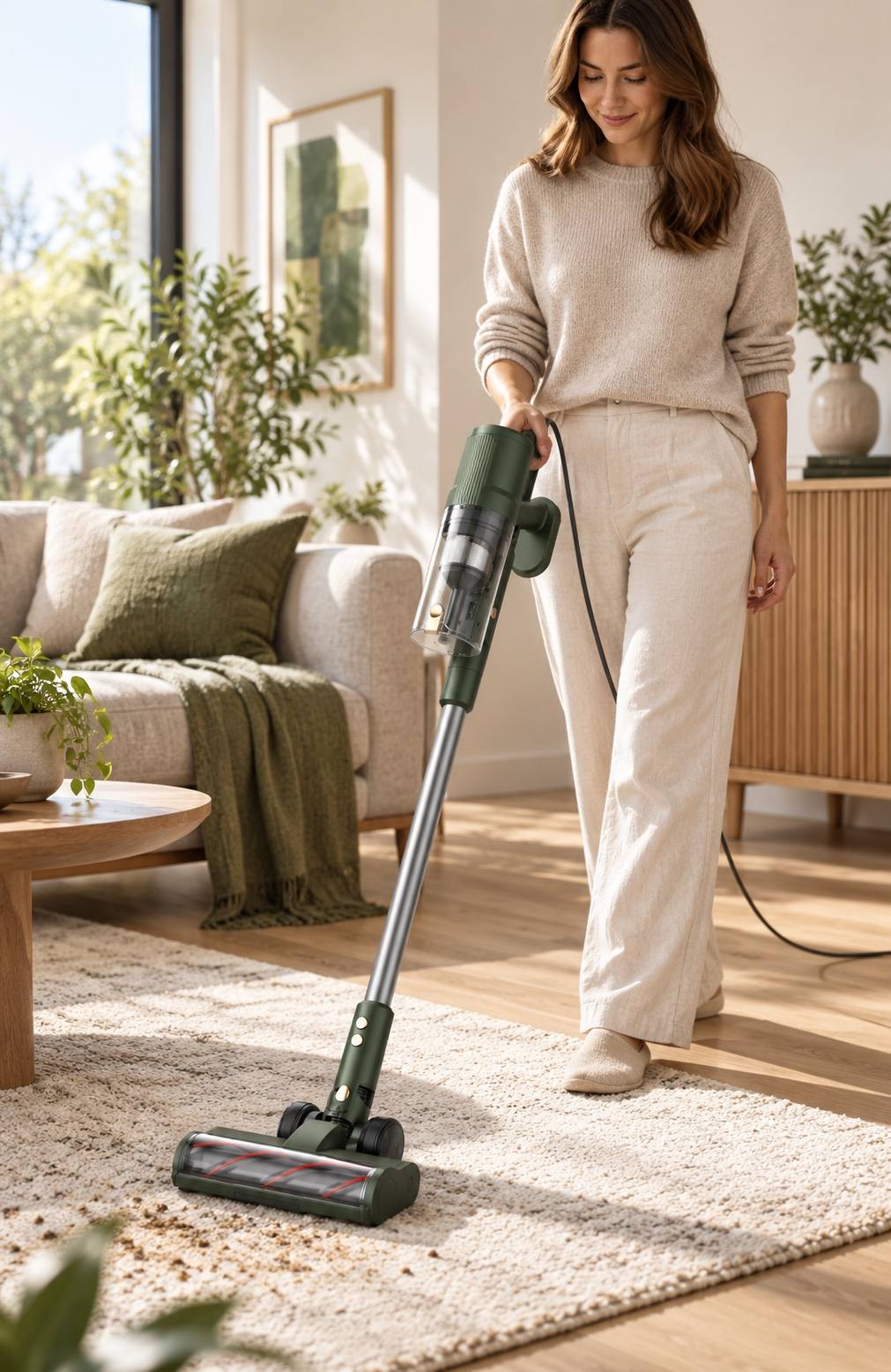
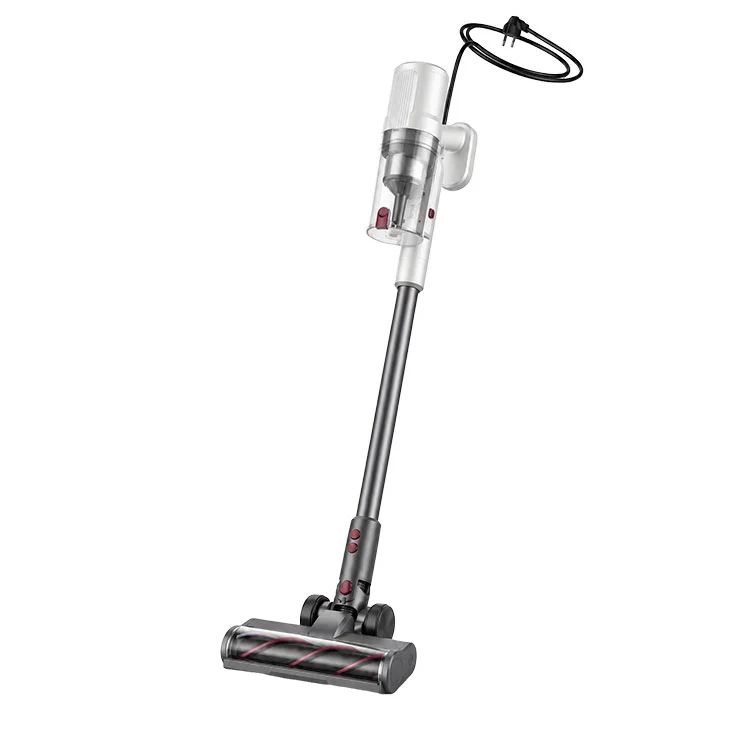
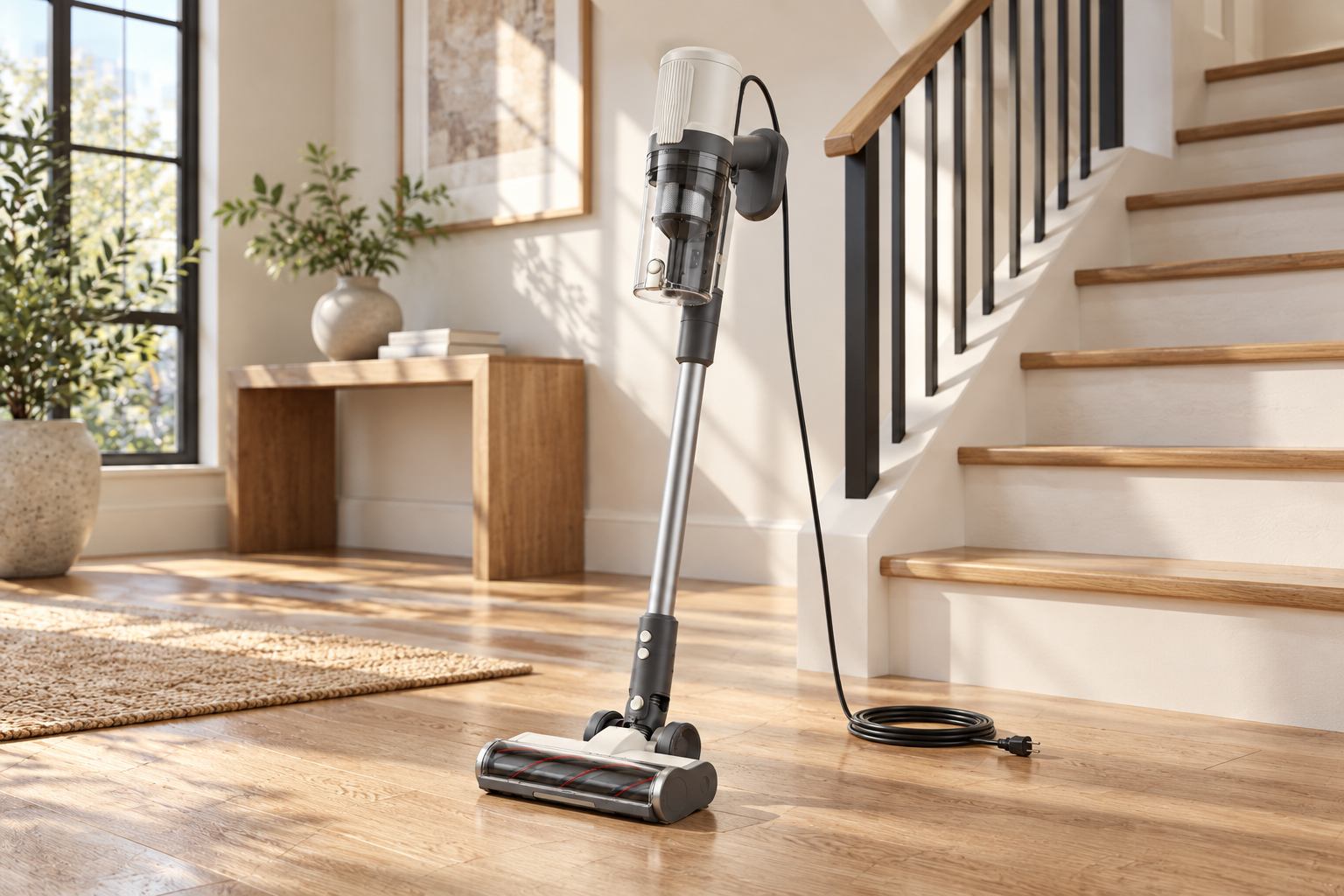
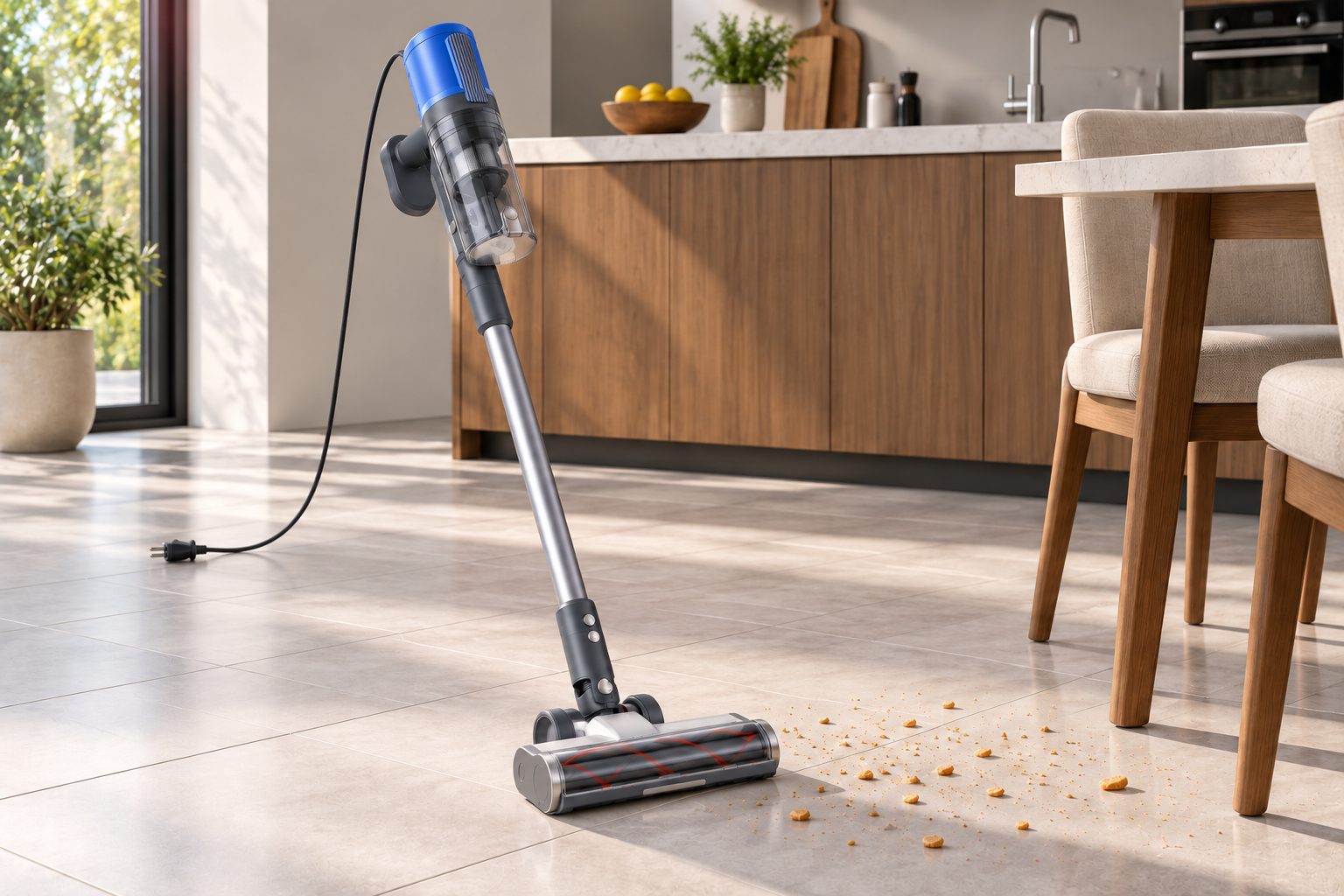
Figure 2 | Check the final product configuration before making a claim.
Power numbers need an airflow context
A 270 W motor figure describes electrical input for the documented platform; the above-25 kPa suction result belongs to stated test conditions. Floor pickup still depends on airflow, the head seal, tube, cup and filter. When comparing brushless vs brushed vacuum motor designs, keep input power, suction test and floor result as separate measurements. This avoids implying that a motor label alone cleans a carpet.
Approve the motor as part of one configuration
For OEM sourcing, record the motor code, controller, floor head, cord, plug, voltage, frequency and firmware or control version where relevant. Match that record to the quotation and sample. Retest if the supplier changes a controller or roller load, even when the outer housing looks the same. The private-label buyer is approving a working system, not a motor name in isolation.
Where the TEH platform fits
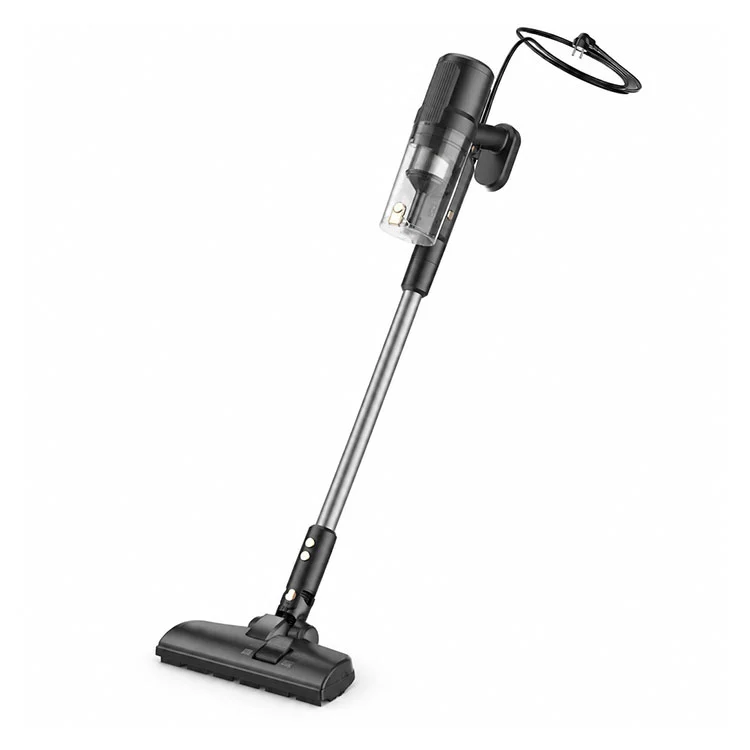
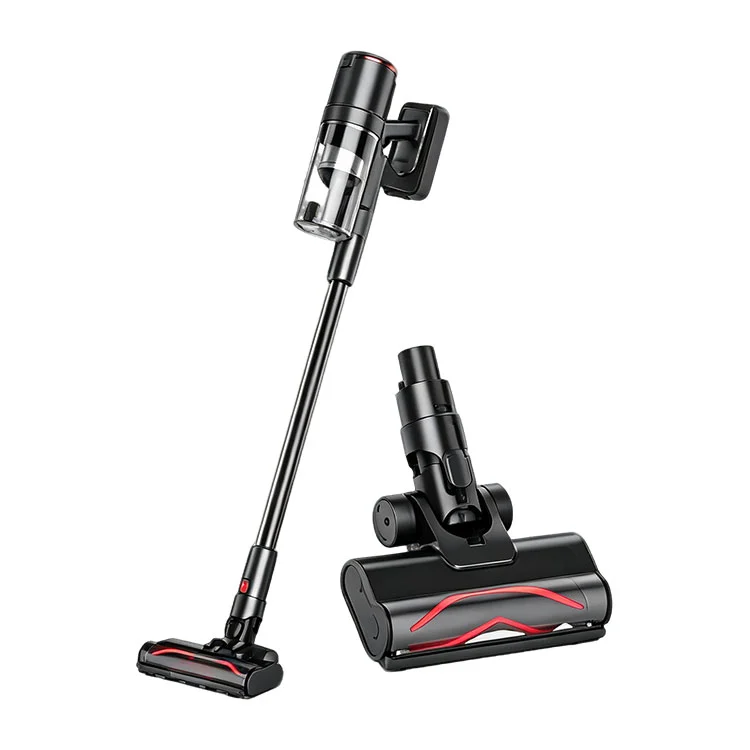
The documented TEH Corded Stick Vacuum Cleaner platform uses a 270 W high-voltage DC brushless motor, suction above 25 kPa and noise below 75 dB under the stated test conditions. It has an independently powered motorized roller floor head, a 1.2 L transparent PC cyclonic dust cup and H12 HEPA as standard. H13 HEPA is available as a higher-cost customization. The detachable power cord can be specified from 5 m to 10 m with destination-specific plug, voltage and frequency.
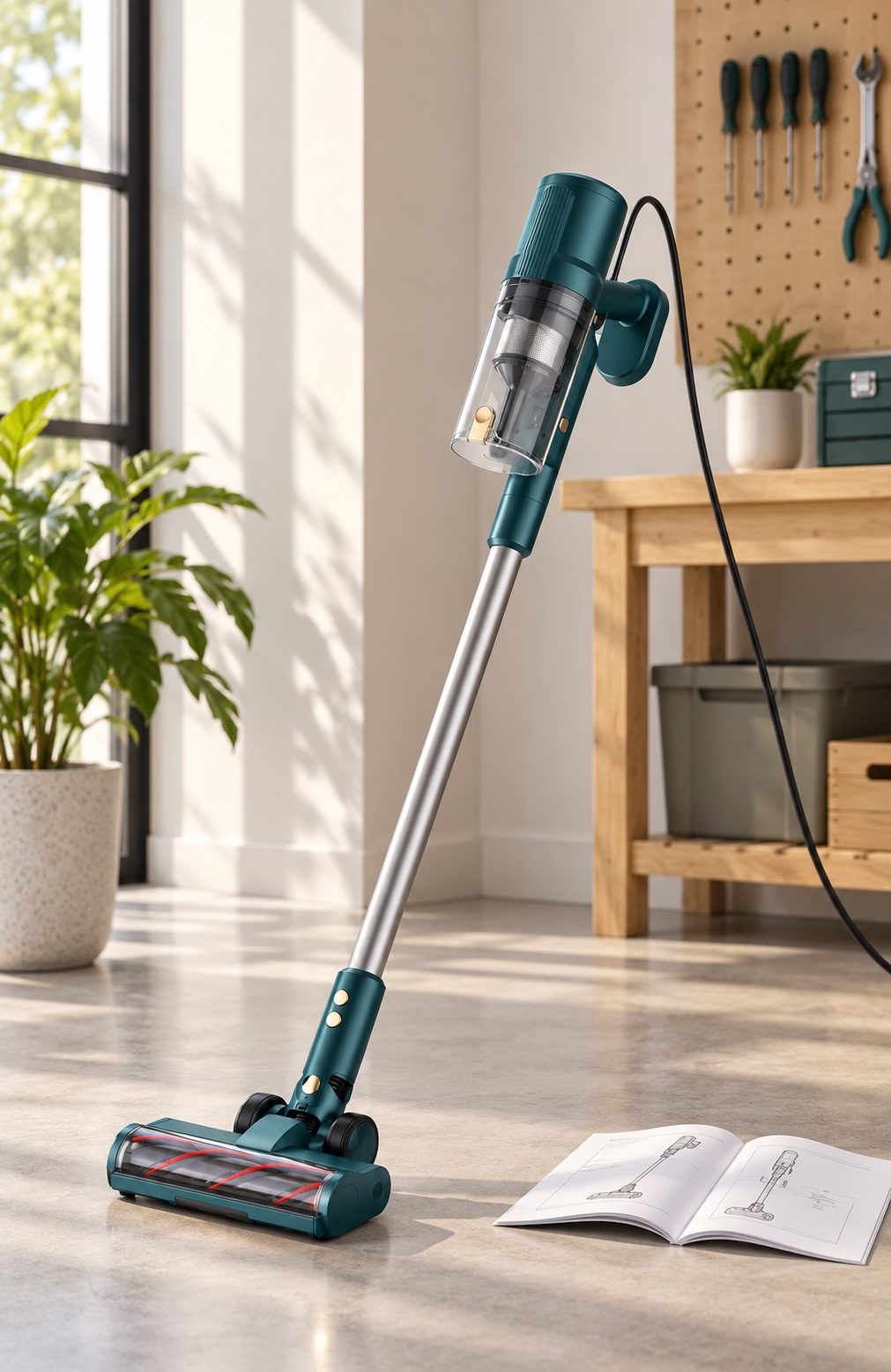
For repeated home cleaning, the platform can be specified around the floor, cord route and destination market. The product section should still be read with the stated test conditions: a floor head, carpet, filter and user routine can change the experience. Treat the generated colour as an editorial concept until the factory confirms the production finish.
For importers and OEM buyers
A vacuum cleaner manufacturer or vacuum cleaner supplier should keep the approved sample, quotation, specification, instruction manual, packaging and online copy aligned. For an OEM vacuum cleaner or private label vacuum cleaner, record the final floor head, dust cup, filter grade, cord length, plug, voltage, frequency and replacement parts before launch. If a claim depends on a specific floor or test method, keep that condition in the internal file instead of turning it into an absolute promise.
Frequently Asked Questions
Is a brushless vacuum motor always better?
No. It can reduce brush wear, but electronics, cooling, assembly, service and the complete airflow system still matter.
Does brushless mean silent?
No. The motor, airflow, seals, powered head, floor and room all affect sound.
What should an OEM buyer record?
Record the motor, controller, head, electrical version, test conditions, service path and approved sample code.
Explore TEH Vacuum Cleaner Options
View the TEH Corded Stick Vacuum Cleaner or browse the TEH Vacuum Cleaner range. For a sample or configuration discussion, use the Send Inquiry page.
Related News
- Vacuum Cleaner Brush Not Spinning Safe Checks Before Service
- Vacuum Cleaner for Car Interior What a Home Model Can and Cannot Do
- Can You Vacuum Kitchen Floors What to Pick Up and Avoid
- Why Does My Vacuum Cleaner Smell Bad Safe Checks to Try
- Vacuum Cleaner Lost Suction Check These Common Causes First
- How to Vacuum an Area Rug Without Pulling or Bunching It
Leave me a message