
Does a Motorized Brush Vacuum Cleaner Make a Real Difference
Learn when a motorized brush helps, what it cannot promise and how to test the floor head on real surfaces.
A motorized brush vacuum cleaner can change how hair, grit and crumbs are lifted from carpet, but the floor head still has to meet the surface correctly. The roller adds moving parts and a maintenance task, so the question is whether it helps the floors you clean and remains easy to clear.
The useful answer is usually a sequence of small checks rather than one dramatic specification. Walk through the routine below, then test the exact configuration if you are buying for a retail programme. Keep a short written record of the floor, head, filter, power version and anything that changed during the route; it will make the final decision easier to explain.
A powered roller helps only when it meets the floor
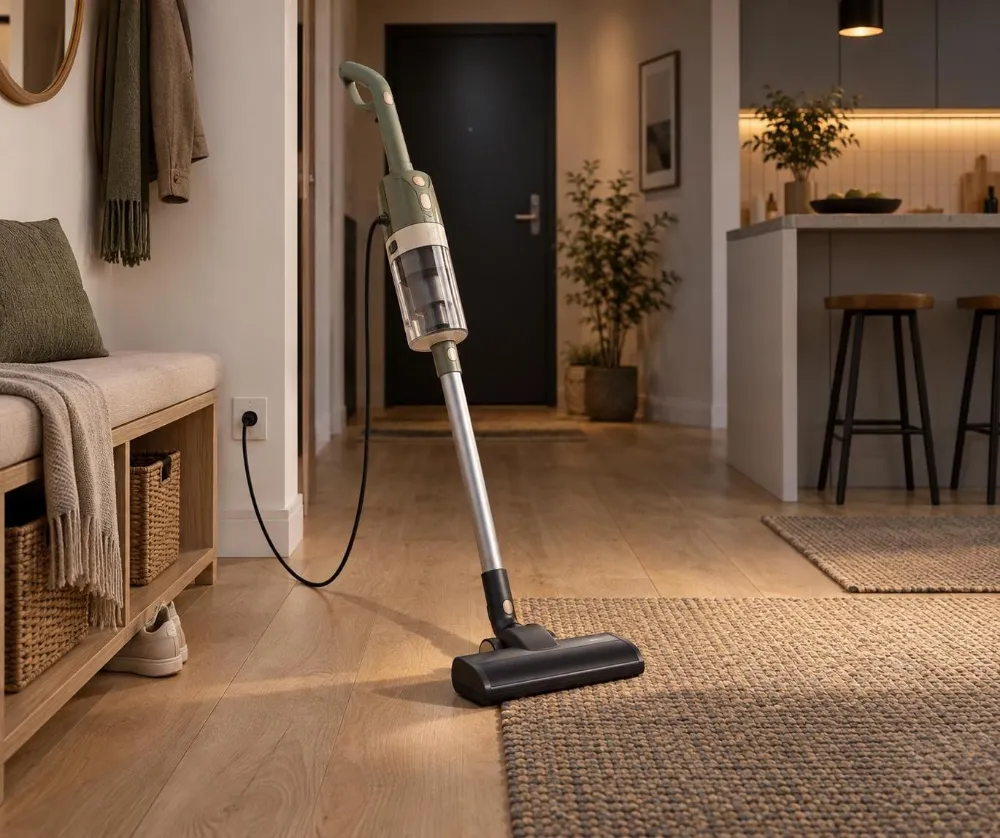
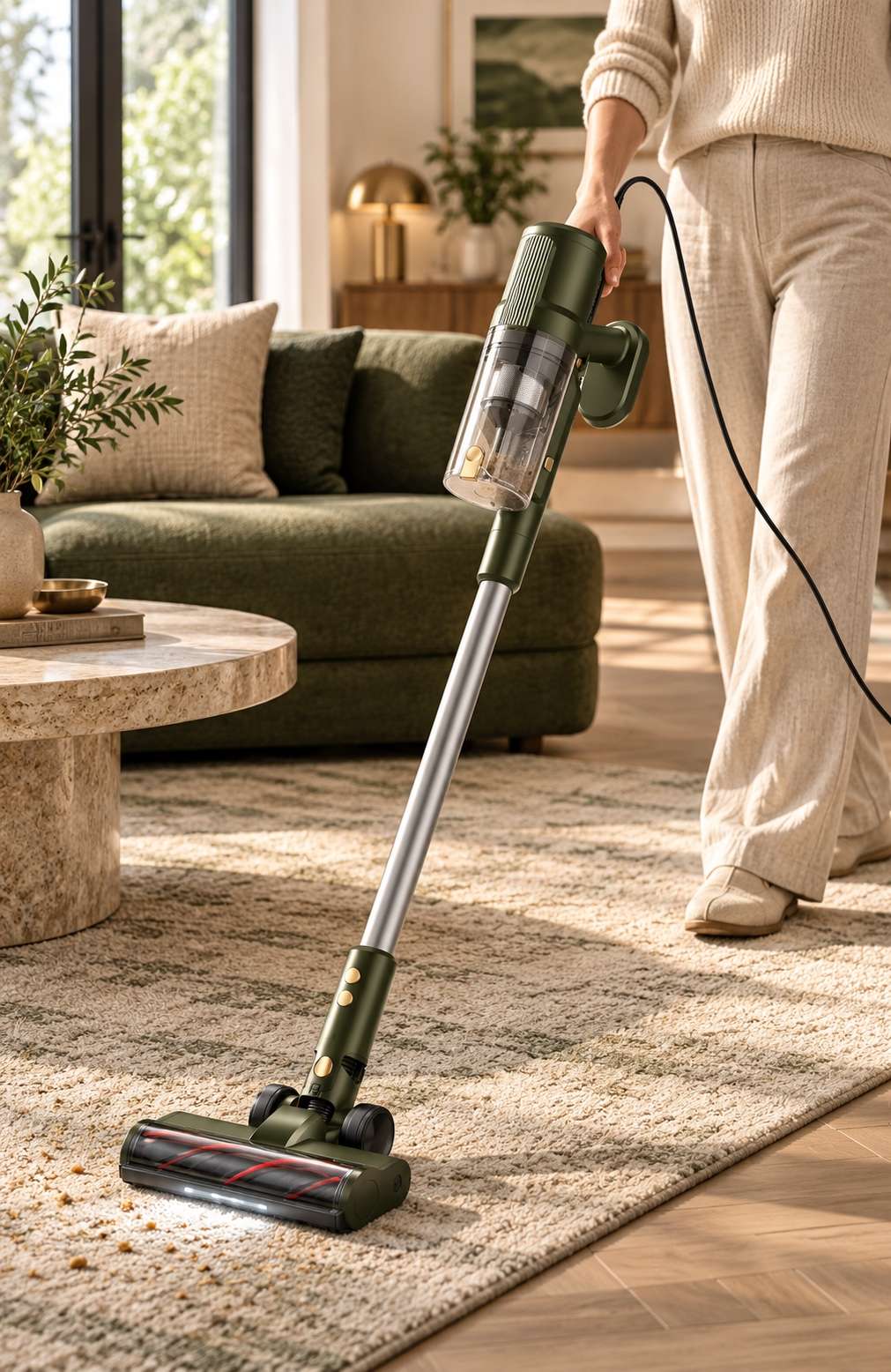
The separate motor turns the roller, but pickup still depends on brush contact, inlet position and airflow. On low-pile carpet, controlled agitation can loosen hair and grit. If the head floats above the pile or seals so tightly that it cannot move, the extra motor does not solve the problem. Test the exact carpet and the final head rather than relying on the phrase motorized brush.
Hard floors need a different check
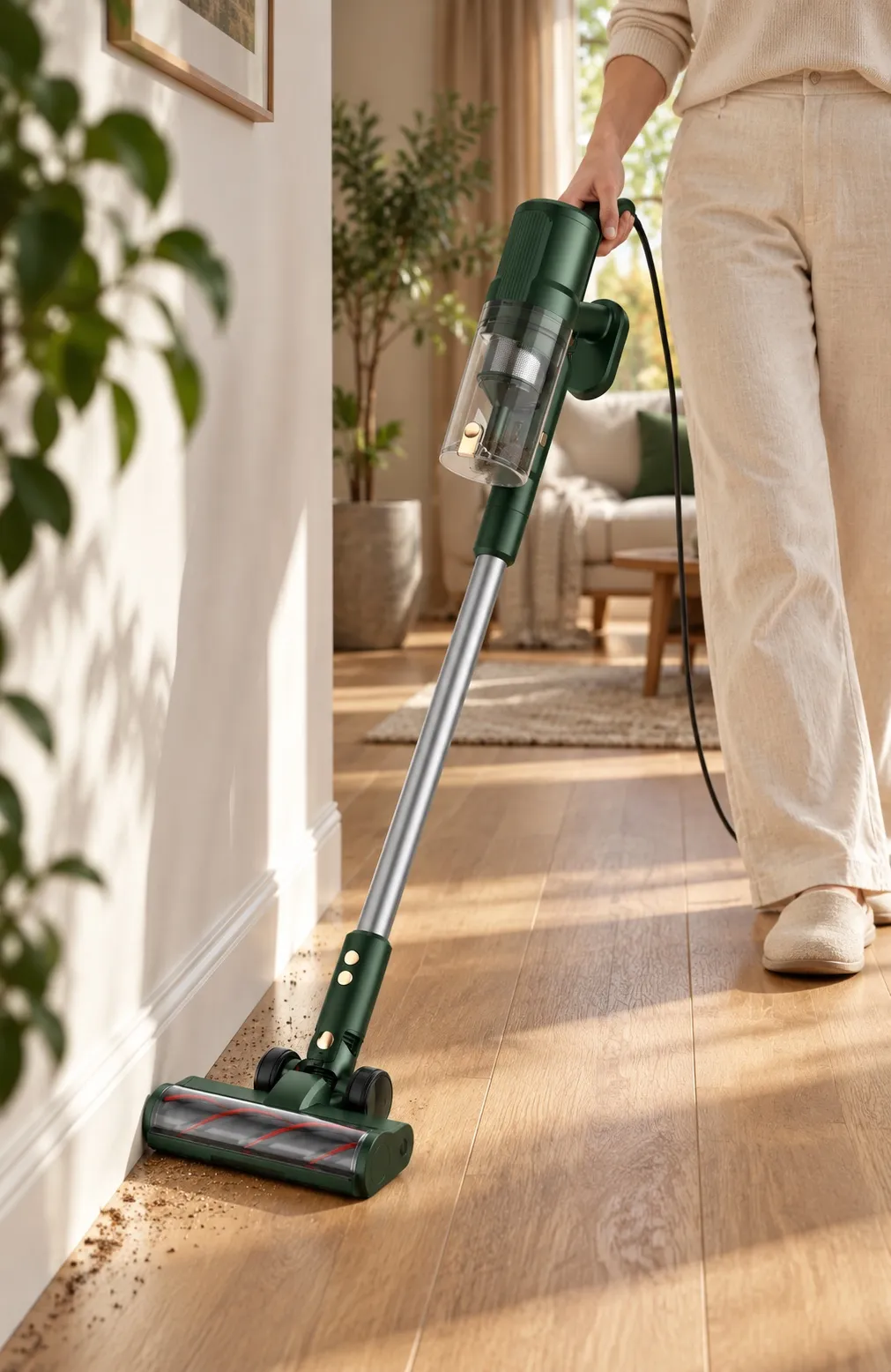
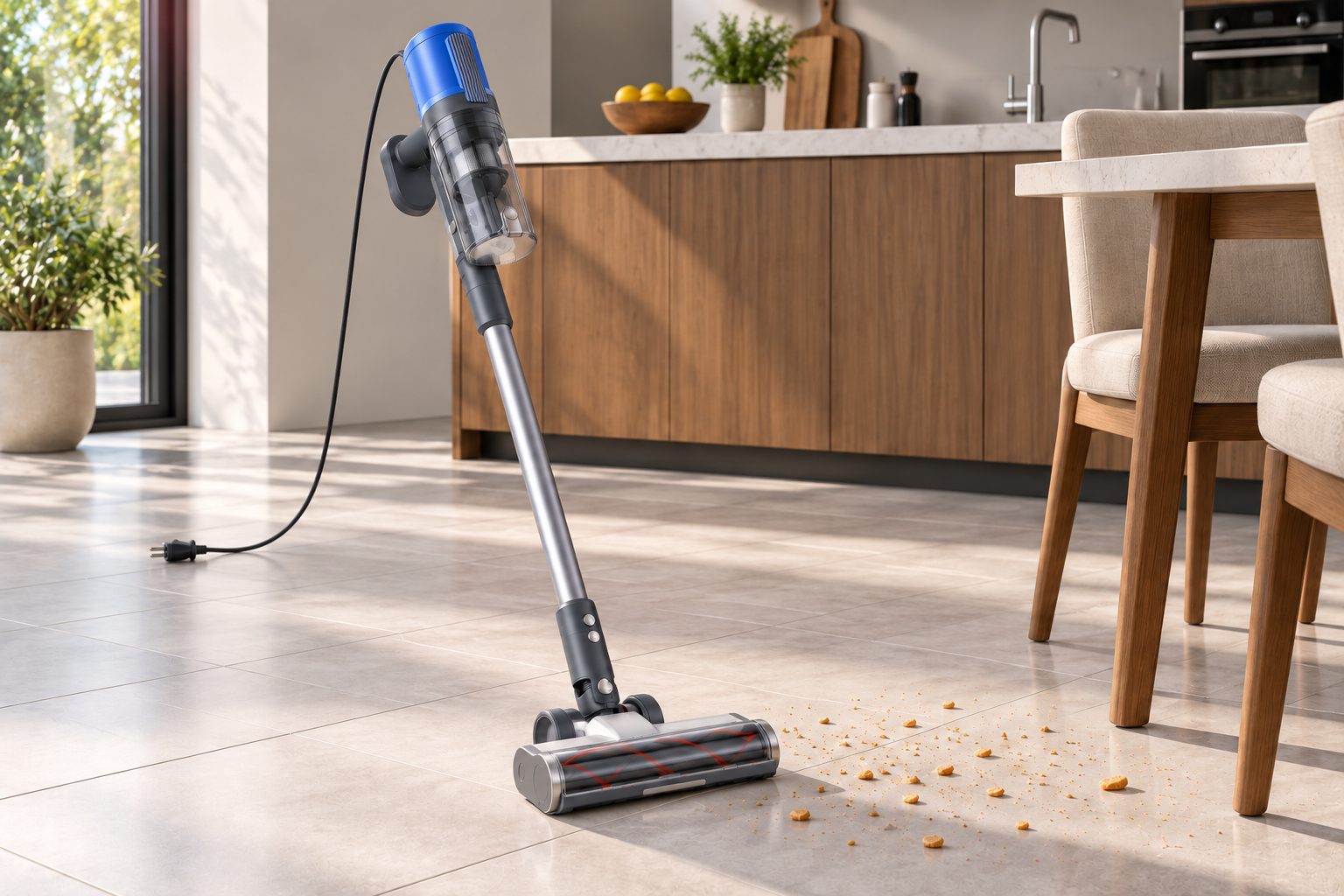
On timber or tile, watch whether the roller scatters crumbs, pushes larger pieces or leaves grit along the wall. Check the wheel material and front edge for contact that could mark a delicate finish. A vacuum cleaner with motorized brush may suit a mixed-floor home, but the roller speed and brush material must be appropriate for the approved surfaces. Follow the floor maker and product instructions.
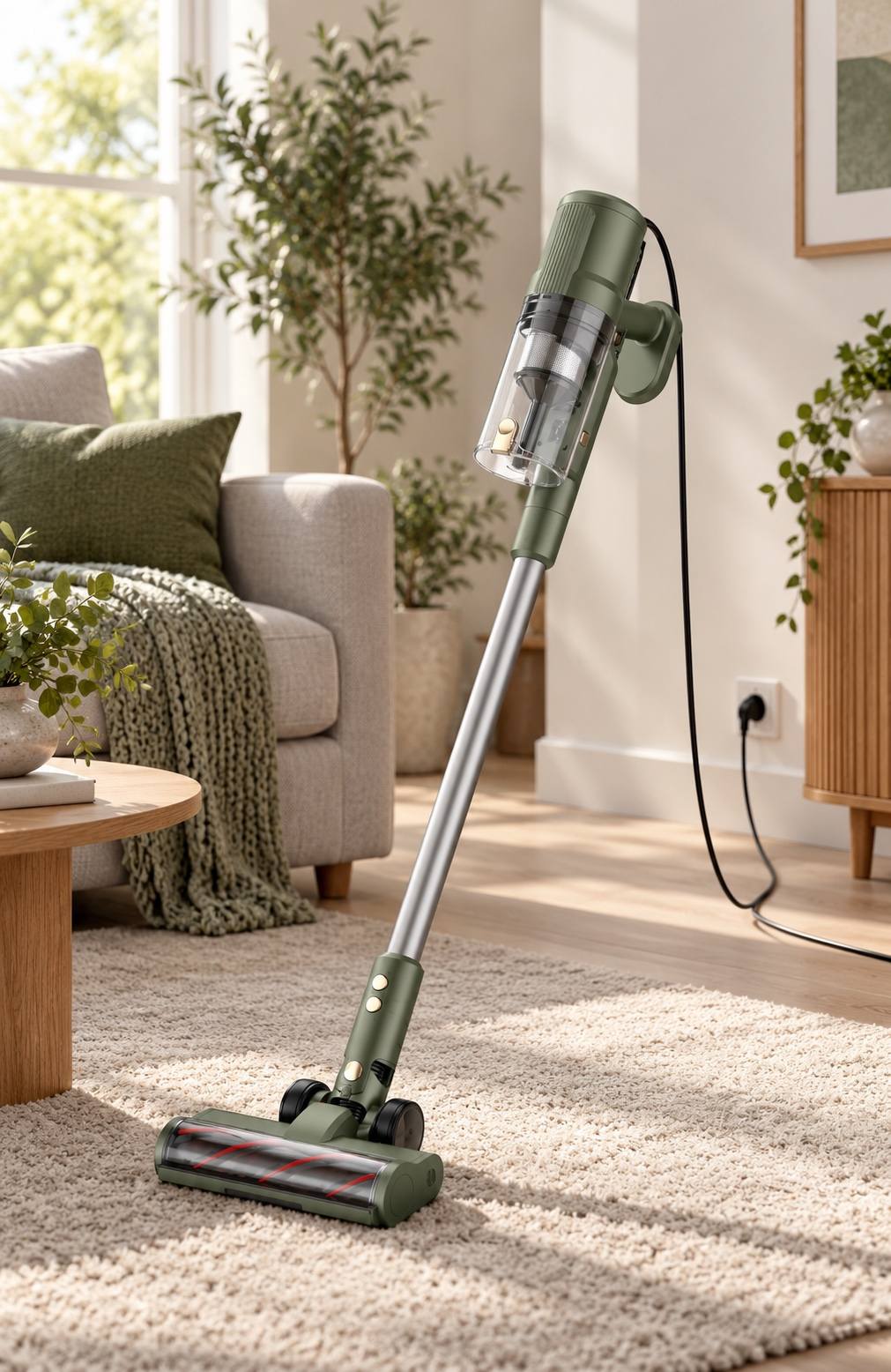
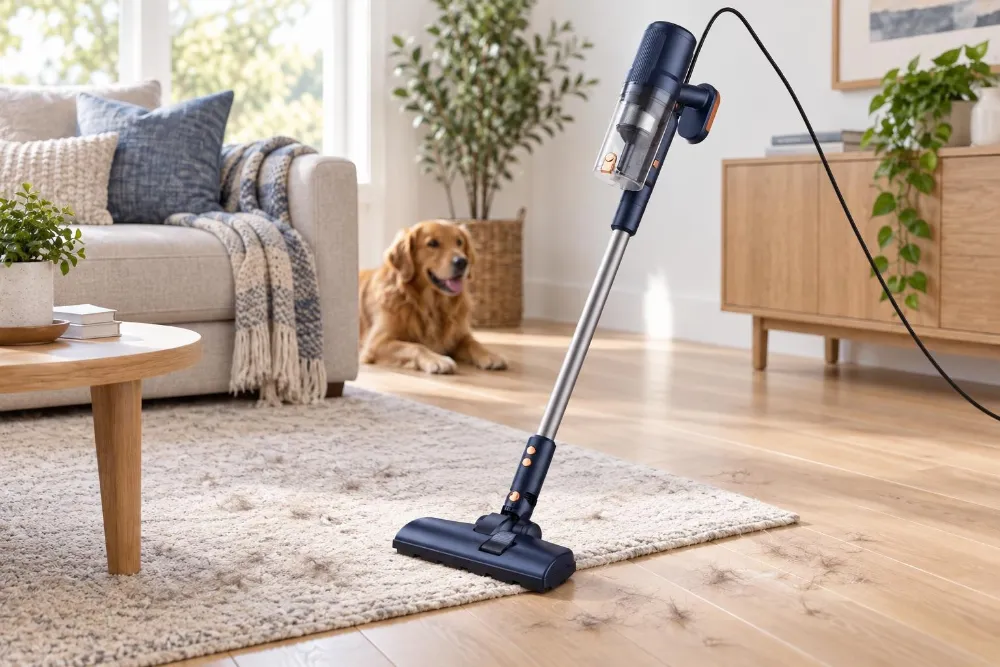
Figure 1 | Test motorized brush in the real cleaning route.
Hair wrap becomes a maintenance task
Long hair can wind around any exposed roller and collect near the end caps. Stop the machine, unplug it and use only the access method described in the manual. Keep scissors away from belts, wiring and soft surfaces unless the instructions explicitly provide a cutting channel. A good powered head makes inspection clear and reassembly secure; it should not hide the maintenance cost behind a pet-hair claim.
Independent drive and suction do different jobs
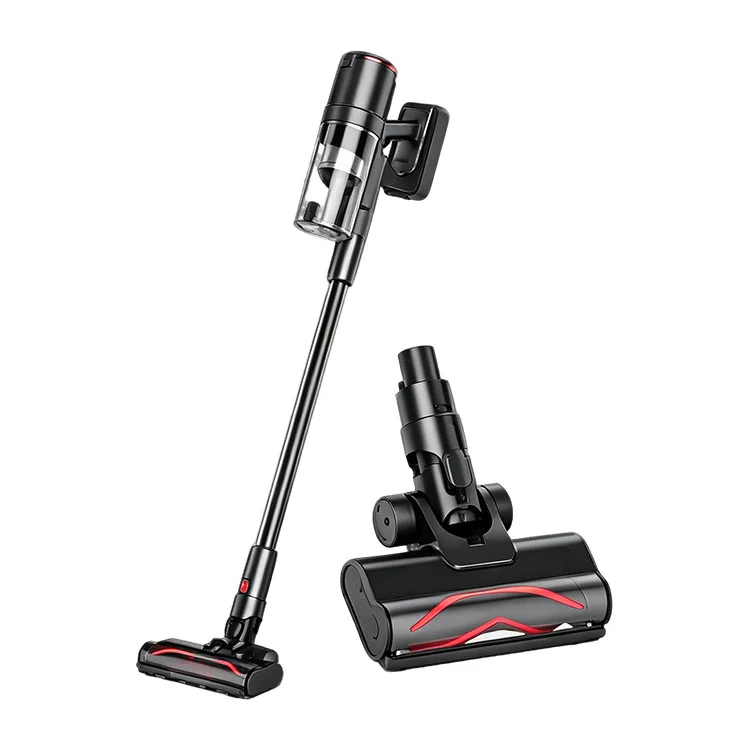
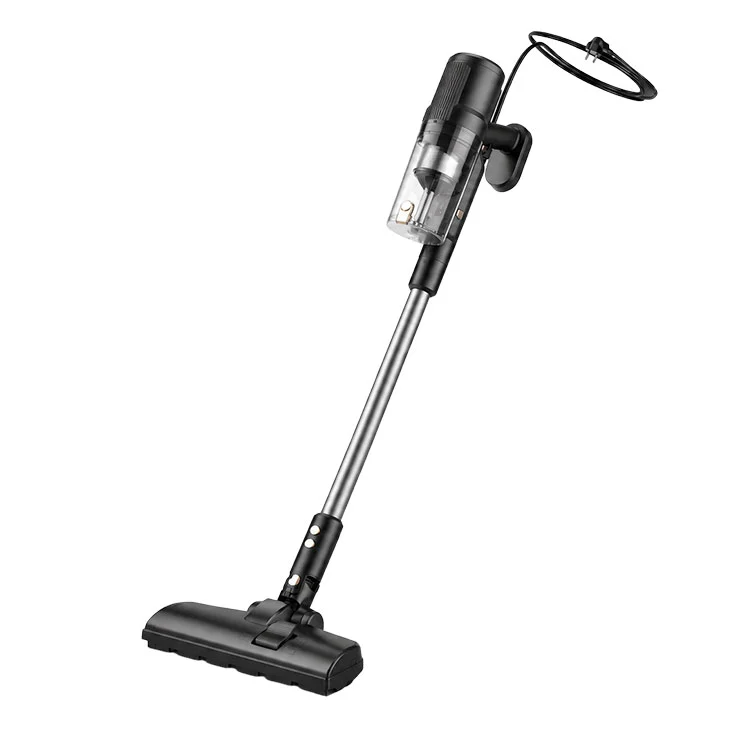
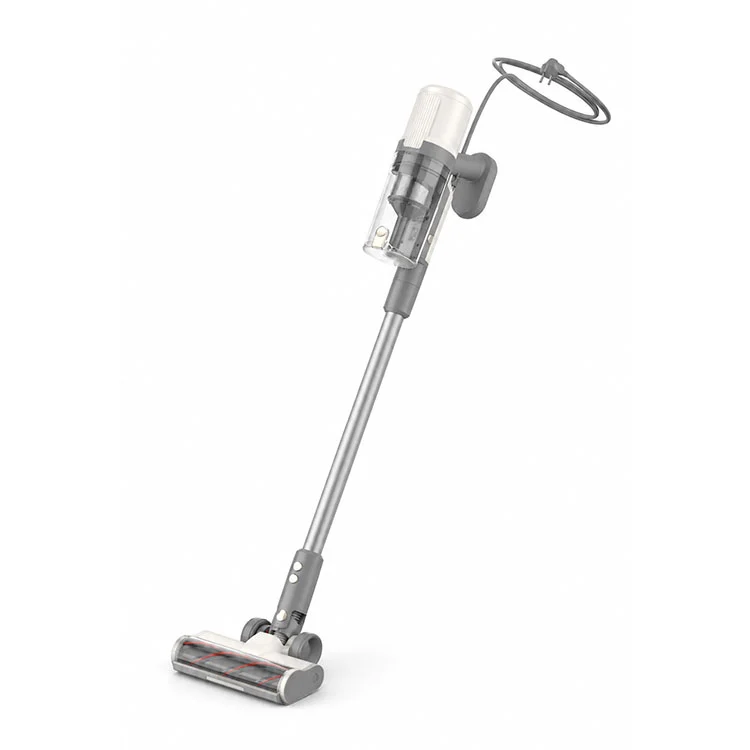
The TEH platform uses an independently powered motorized roller floor head. The roller disturbs debris and guides it toward the inlet; the main airflow then carries it through the tube and cyclone. If one path is blocked, the other cannot compensate indefinitely. Sample testing should record roller movement, inlet blockage and suction condition separately so a fault can be diagnosed.
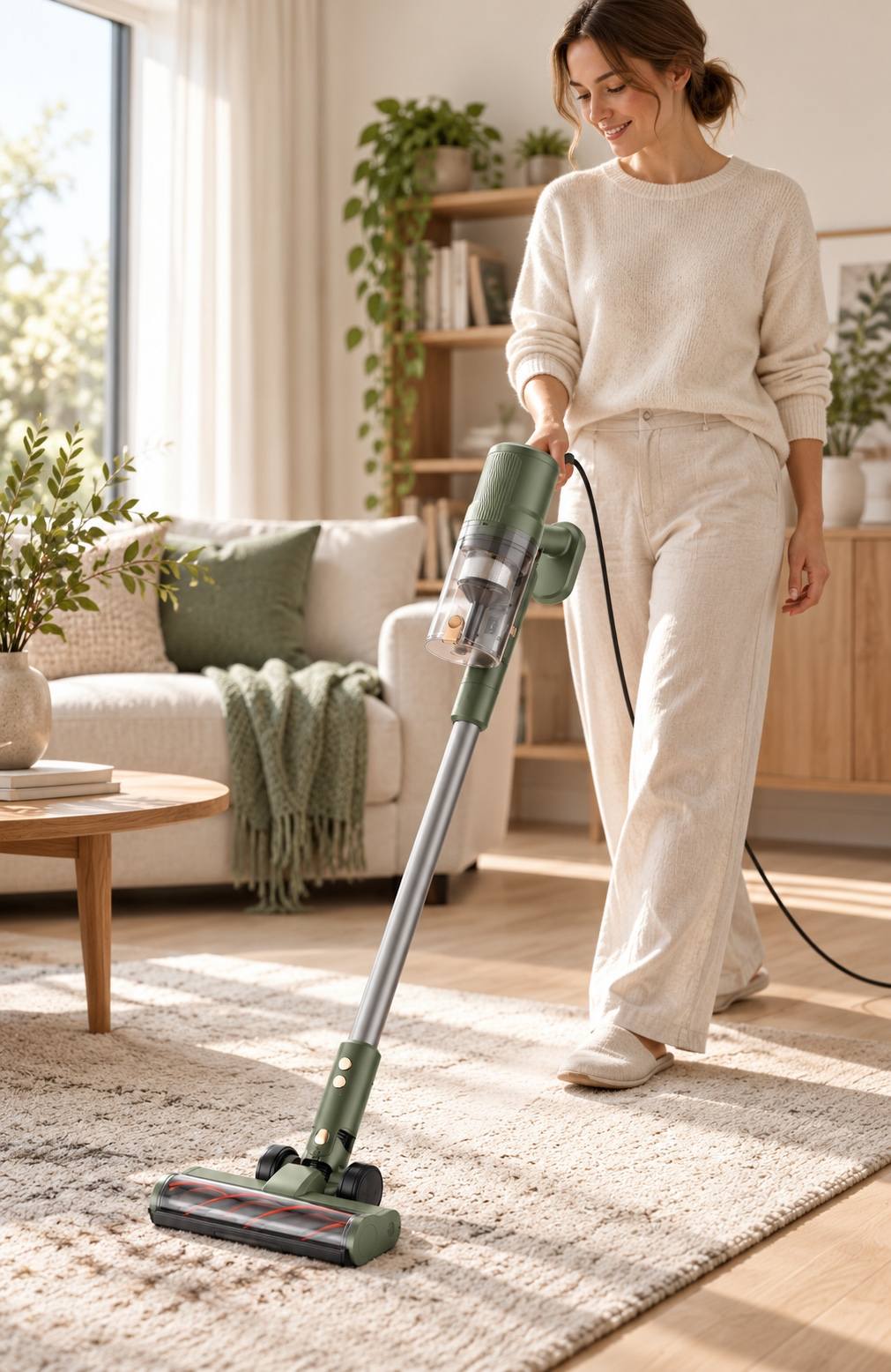
Figure 2 | Check the final product configuration before making a claim.
Push effort matters as much as pickup
Ask several testers to make slow passes and turn around furniture. Note whether the head pulls forward, clamps to a rug or resists a sideways correction. A powered head that picks up well in a straight line can still be tiring in a furnished room. Record push effort with the cup empty and partly filled, because a longer route can expose balance problems.
Tie every claim to the final head
An OEM programme may have several roller colours, brush strips, wheel sets or head motors that look similar. Assign each approved head a code and photograph the underside. Packaging, online images and performance copy must refer to that same code. Changing the head is a functional change that requires another floor test, not a cosmetic substitution.
Where the TEH platform fits
The documented TEH Corded Stick Vacuum Cleaner platform uses a 270 W high-voltage DC brushless motor, suction above 25 kPa and noise below 75 dB under the stated test conditions. It has an independently powered motorized roller floor head, a 1.2 L transparent PC cyclonic dust cup and H12 HEPA as standard. H13 HEPA is available as a higher-cost customization. The detachable power cord can be specified from 5 m to 10 m with destination-specific plug, voltage and frequency.
For repeated home cleaning, the platform can be specified around the floor, cord route and destination market. The product section should still be read with the stated test conditions: a floor head, carpet, filter and user routine can change the experience. Treat the generated colour as an editorial concept until the factory confirms the production finish.
For importers and OEM buyers
A vacuum cleaner manufacturer or vacuum cleaner supplier should keep the approved sample, quotation, specification, instruction manual, packaging and online copy aligned. For an OEM vacuum cleaner or private label vacuum cleaner, record the final floor head, dust cup, filter grade, cord length, plug, voltage, frequency and replacement parts before launch. If a claim depends on a specific floor or test method, keep that condition in the internal file instead of turning it into an absolute promise.
Frequently Asked Questions
Does a motorized brush help on carpet?
It can help loosen hair and grit when brush contact, airflow and push effort are correctly matched to the pile.
Can a powered roller be used on hardwood?
Only when the roller, wheels and instructions are suitable for the specific finish. Test the approved head.
What should an OEM buyer check on the floor head?
Check the head code, motor, roller, brush material, wheels, access method, sound and results on named surfaces.
Explore TEH Vacuum Cleaner Options
View the TEH Corded Stick Vacuum Cleaner or browse the TEH Vacuum Cleaner range. For a sample or configuration discussion, use the Send Inquiry page.
Related News
- Vacuum Cleaner Brush Not Spinning Safe Checks Before Service
- Vacuum Cleaner for Car Interior What a Home Model Can and Cannot Do
- Can You Vacuum Kitchen Floors What to Pick Up and Avoid
- Why Does My Vacuum Cleaner Smell Bad Safe Checks to Try
- Vacuum Cleaner Lost Suction Check These Common Causes First
- How to Vacuum an Area Rug Without Pulling or Bunching It
Leave me a message