
How to Plan Vacuum Cleaner Colour and Configuration for a Private Label Range
Plan colour, finish, floor head, cord, filters, packaging and approval samples as one private-label configuration.
A private label vacuum cleaner range feels coherent when colour, finish and technical configuration are approved together. Changing a green shell while keeping a different floor head, cord or filter can create a product that looks consistent in a render but is not consistent in production. Treat the image, sample and specification as one approval set.
The useful answer is usually a sequence of small checks rather than one dramatic specification. Walk through the routine below, then test the exact configuration if you are buying for a retail programme. Keep a short written record of the floor, head, filter, power version and anything that changed during the route; it will make the final decision easier to explain.
Write a range brief before choosing green
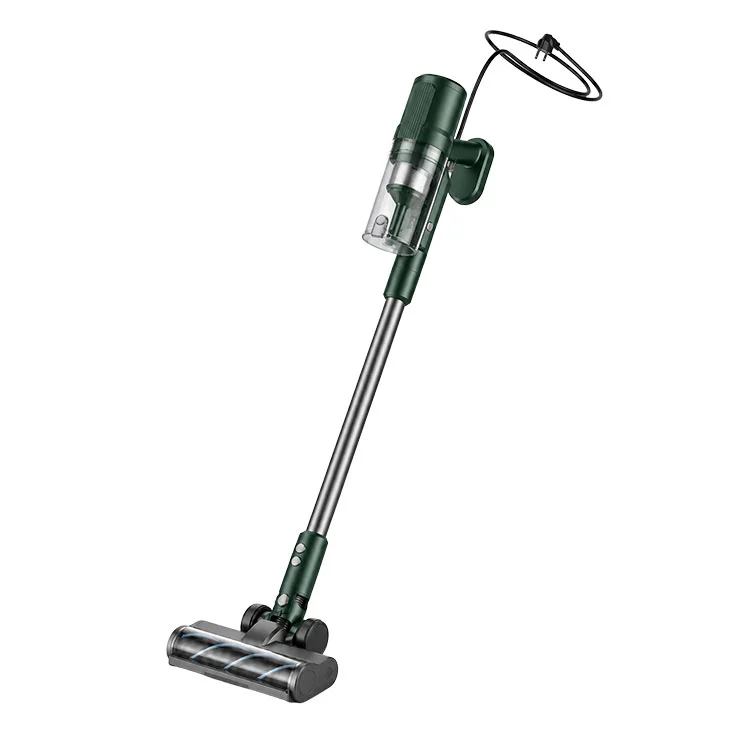
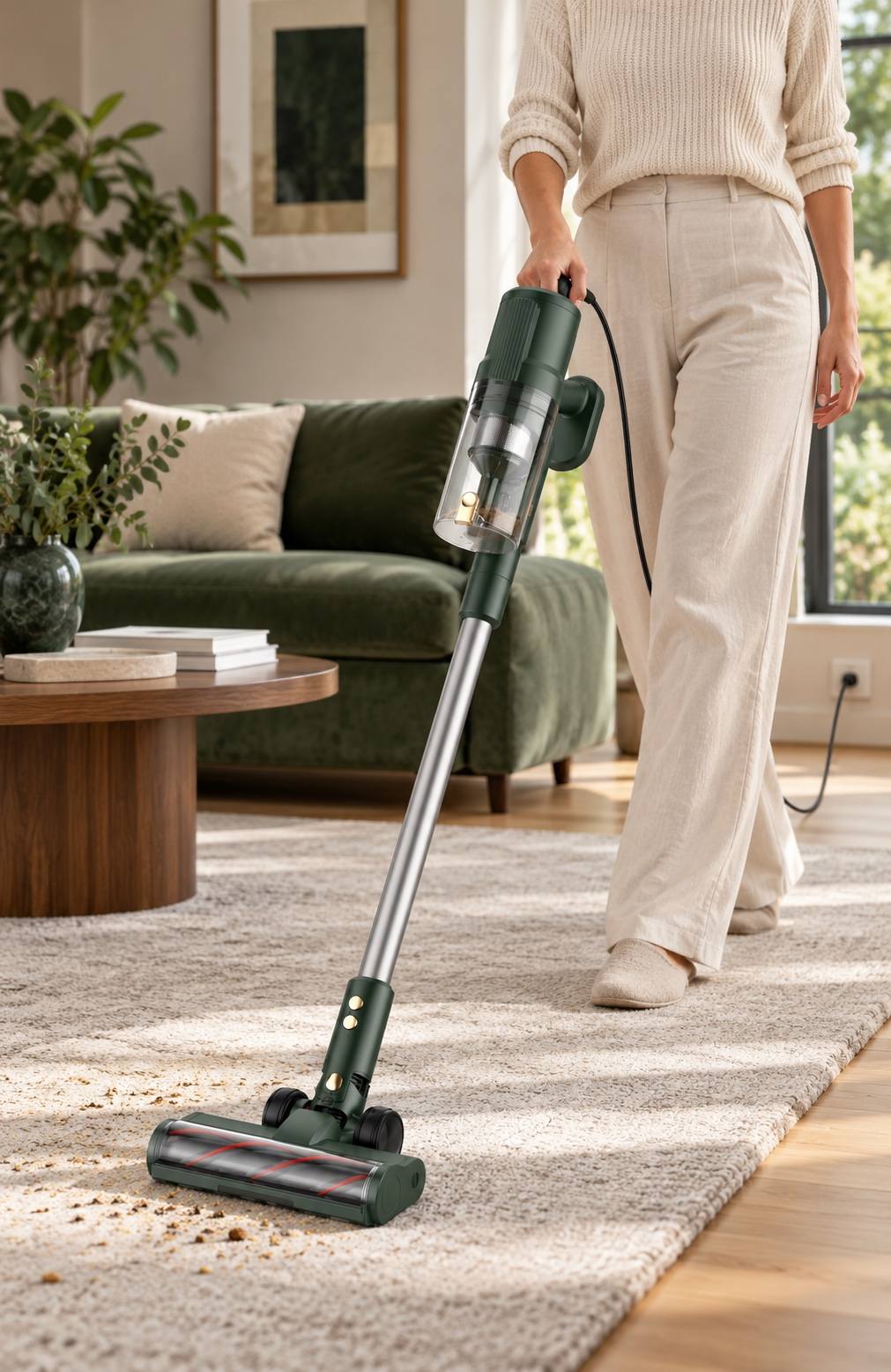
Define the target retailer, price tier, room style and number of colourways before asking for renders. A fashionable green can range from pale sage to deep jade, and each direction changes the contrast with the transparent cup, silver tube and dark floor head. Choose a small palette with colour references instead of saying make it European. The brief should also name which parts stay unchanged.
Separate colour from material and finish
The same colour looks different on matte moulded plastic, gloss paint, soft-touch coating and metallic trim. Ask the supplier which surfaces are moulded colour and which are coated. Review texture, scratch visibility, fingerprinting and part-to-part colour tolerance on physical plaques or samples. A screen render is useful for direction, but it cannot approve production colour or durability.
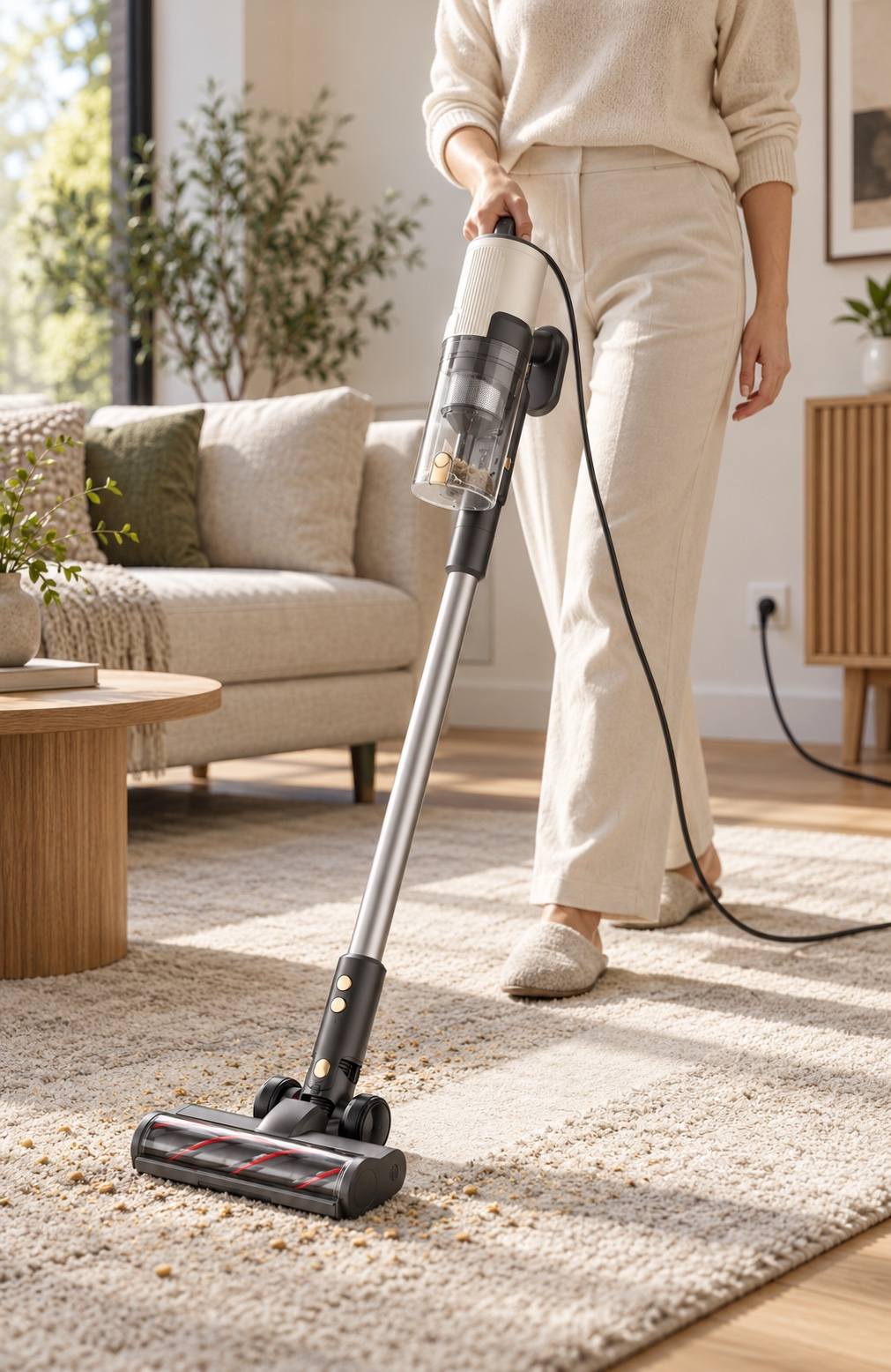
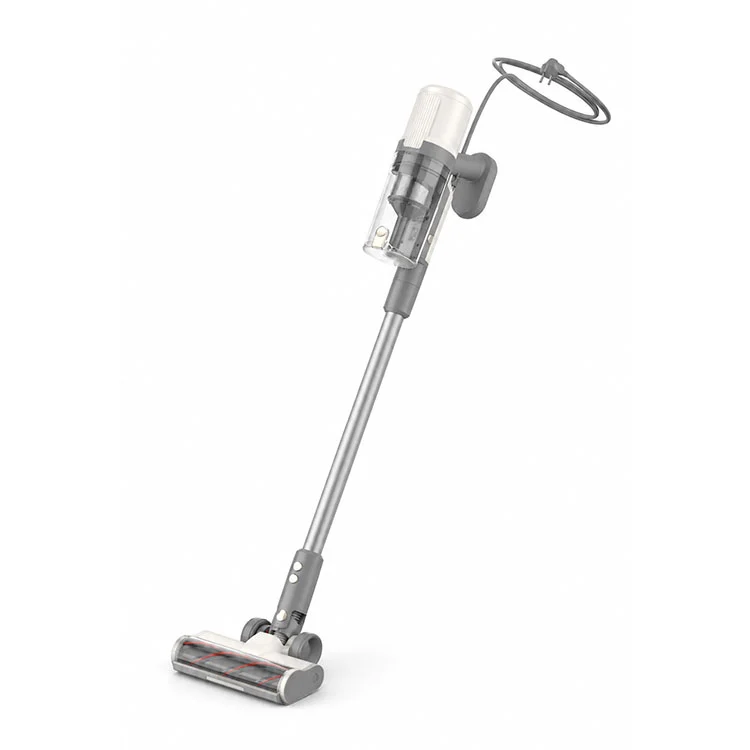
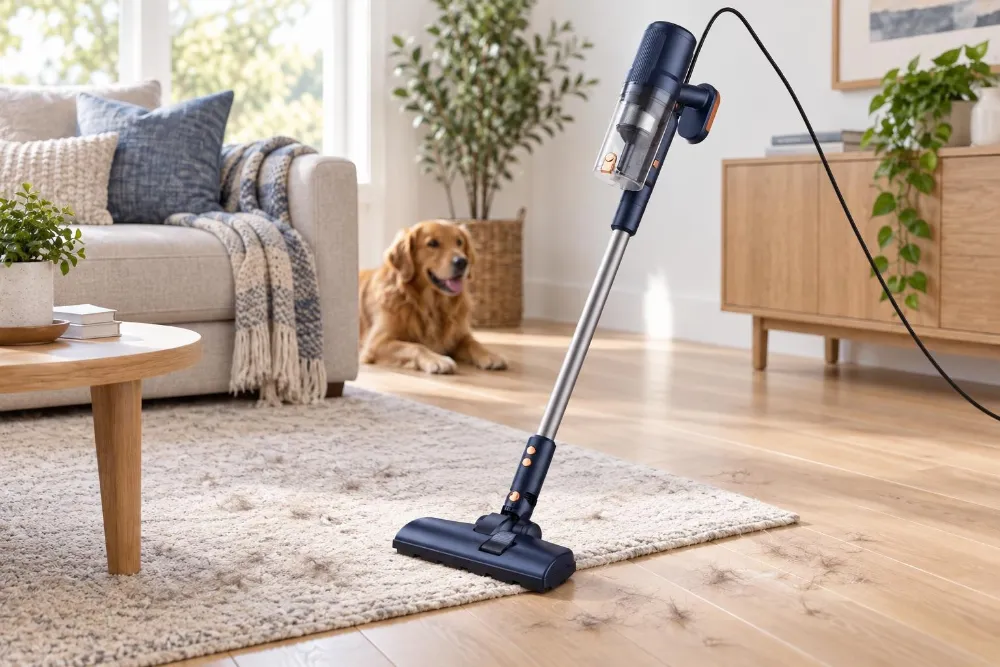
Figure 1 | Test private label vacuum cleaner in the real cleaning route.
Lock technical configurations under separate codes
A colour name must not hide a different floor head, filter, cord or electrical version. Build a matrix that assigns one code to each approved combination of housing colour, roller head, H12 or H13 filter, cord length, plug, voltage and frequency. This makes pricing, images, manuals and orders traceable. If a retailer changes one functional part, revise the code rather than editing a description informally.
Use images to review, not to invent the product
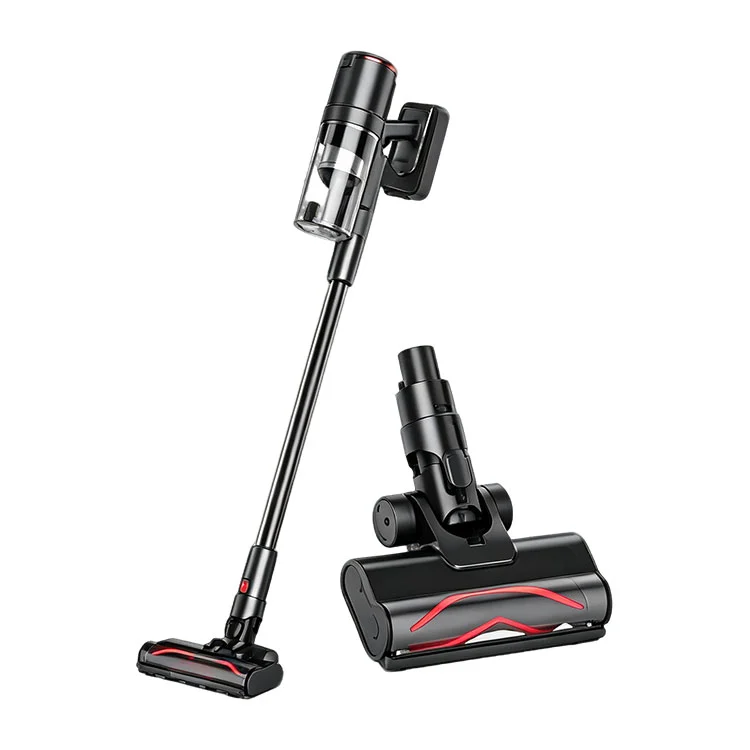
Generated lifestyle images should begin with the real product as the identity and geometry reference. Preserve the cylindrical motor body, transparent cup, silver tube, independently powered roller head and one believable cord. Reject batteries, screens, extra buttons, duplicate heads, impossible cable routes, logos and certification marks. A beautiful scene is not usable when the product no longer matches the sample.
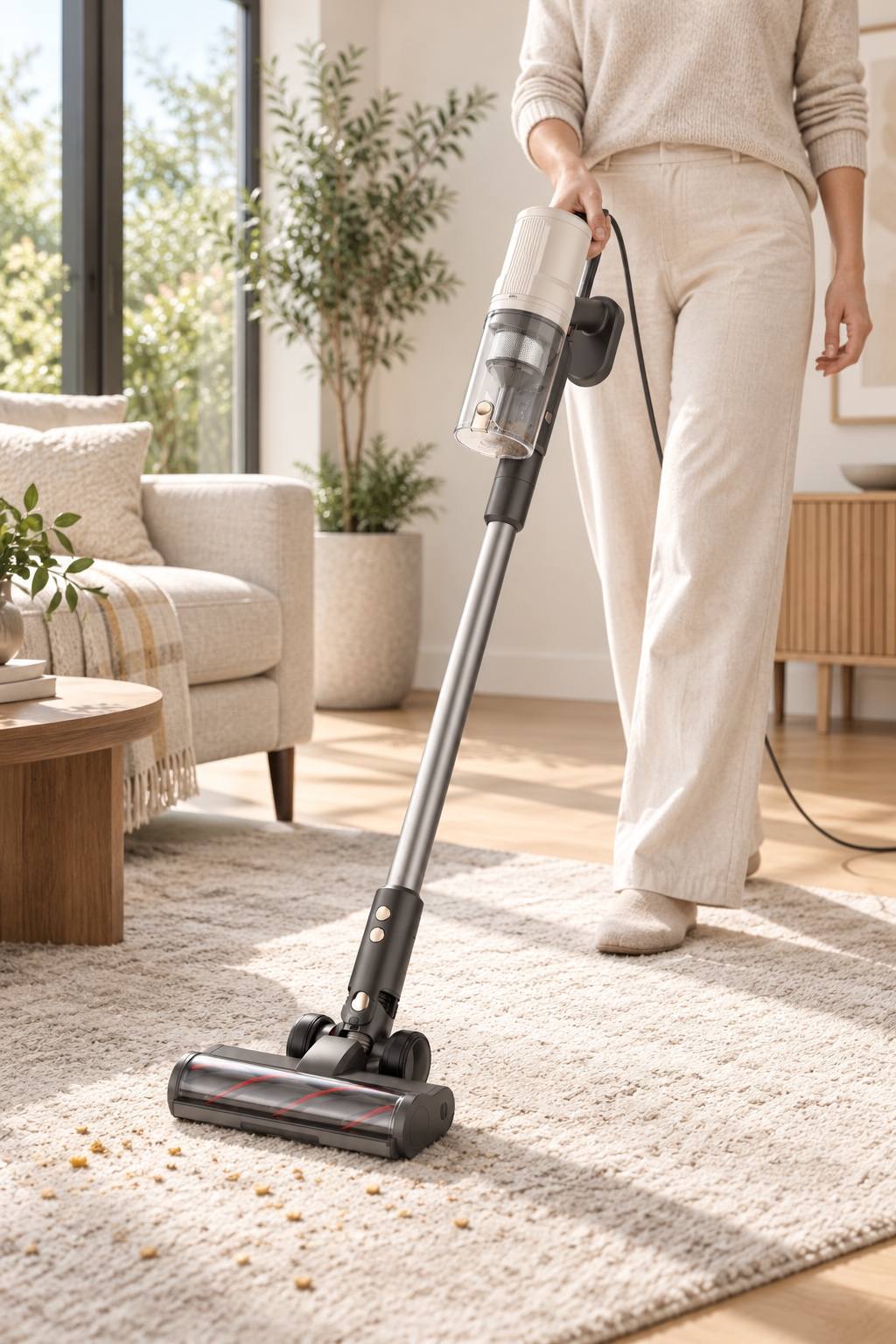
Figure 2 | Check the final product configuration before making a claim.
Approve a colour master and a golden sample together
Review the physical colour plaque under daylight and typical retail lighting, then compare it with the assembled sample. Record acceptable variation for adjacent plastic parts. Photograph the signed colour master beside the golden sample and configuration label. Keep the render marked as an editorial concept until this approval is complete; do not let a digital image silently become a production promise.
Carry the approved system into launch files
The final listing, carton, manual, spare-parts page and customer-service answer should all use the same colour name and configuration code. Check that replacement filters and floor-head images match the retail version. For different markets, keep destination plug, voltage and frequency visible in the internal SKU mapping even when consumer photography looks similar. This is how a private-label range stays coherent after launch.
Where the TEH platform fits
The documented TEH Corded Stick Vacuum Cleaner platform uses a 270 W high-voltage DC brushless motor, suction above 25 kPa and noise below 75 dB under the stated test conditions. It has an independently powered motorized roller floor head, a 1.2 L transparent PC cyclonic dust cup and H12 HEPA as standard. H13 HEPA is available as a higher-cost customization. The detachable power cord can be specified from 5 m to 10 m with destination-specific plug, voltage and frequency.
For repeated home cleaning, the platform can be specified around the floor, cord route and destination market. The product section should still be read with the stated test conditions: a floor head, carpet, filter and user routine can change the experience. Treat the generated colour as an editorial concept until the factory confirms the production finish.
For importers and OEM buyers
A vacuum cleaner manufacturer or vacuum cleaner supplier should keep the approved sample, quotation, specification, instruction manual, packaging and online copy aligned. For an OEM vacuum cleaner or private label vacuum cleaner, record the final floor head, dust cup, filter grade, cord length, plug, voltage, frequency and replacement parts before launch. If a claim depends on a specific floor or test method, keep that condition in the internal file instead of turning it into an absolute promise.
Frequently Asked Questions
How should a private-label vacuum colour be approved?
Approve a physical colour master and assembled golden sample under agreed lighting, then record the configuration code.
Can a generated image approve production colour?
No. It can guide the concept, but a physical colour and finish sample is required.
What should stay locked when colour changes?
Keep product geometry, cup, tube, powered head, cord path and approved technical configuration clearly controlled.
Explore TEH Vacuum Cleaner Options
View the TEH Corded Stick Vacuum Cleaner or browse the TEH Vacuum Cleaner range. For a sample or configuration discussion, use the Send Inquiry page.
Related News
- Vacuum Cleaner Brush Not Spinning Safe Checks Before Service
- Vacuum Cleaner for Car Interior What a Home Model Can and Cannot Do
- Can You Vacuum Kitchen Floors What to Pick Up and Avoid
- Why Does My Vacuum Cleaner Smell Bad Safe Checks to Try
- Vacuum Cleaner Lost Suction Check These Common Causes First
- How to Vacuum an Area Rug Without Pulling or Bunching It
Leave me a message