
Why a Transparent Dust Cup Helps With Vacuum Maintenance
See how a transparent dust cup supports emptying, blockage checks, hygiene instructions and sample review.
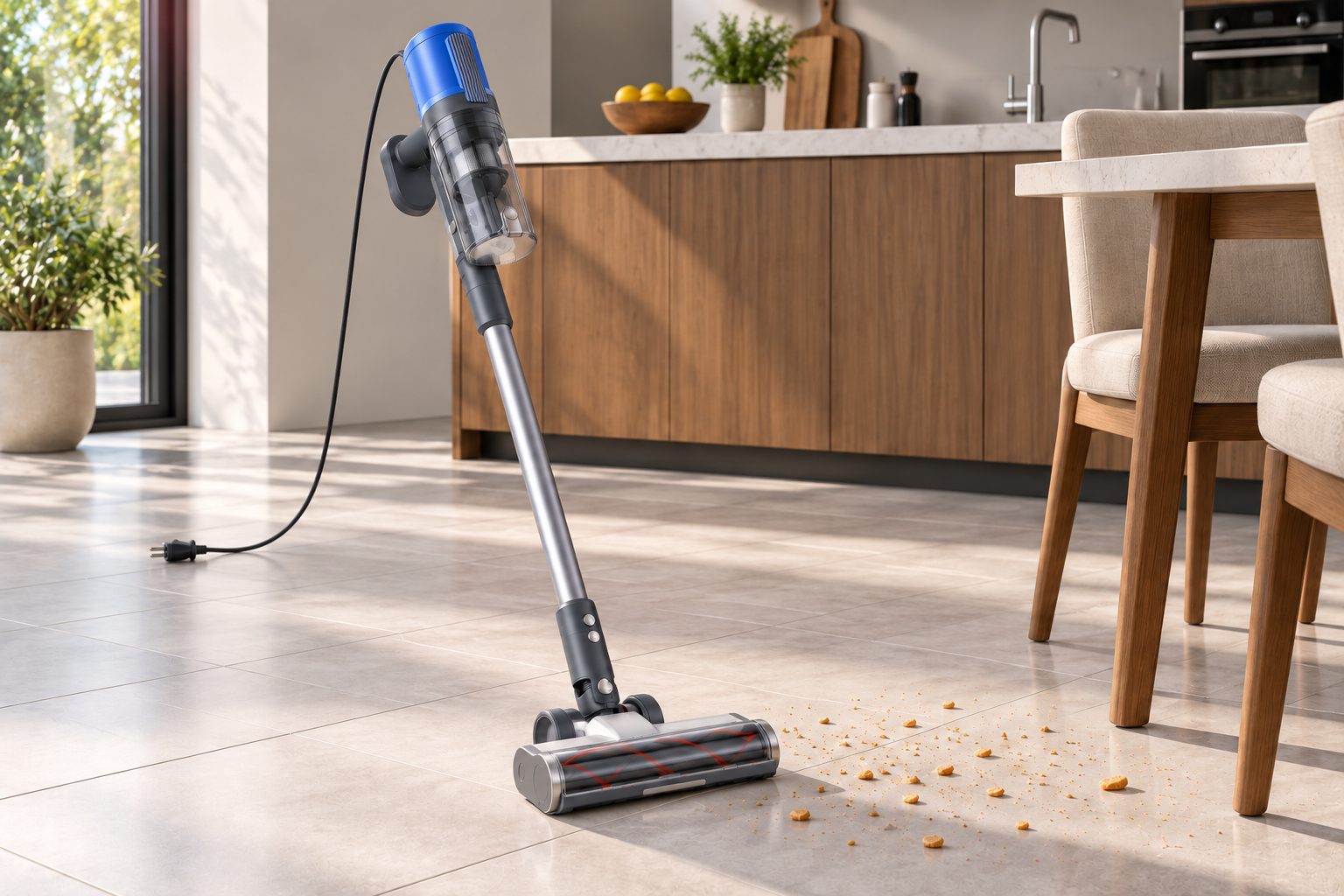
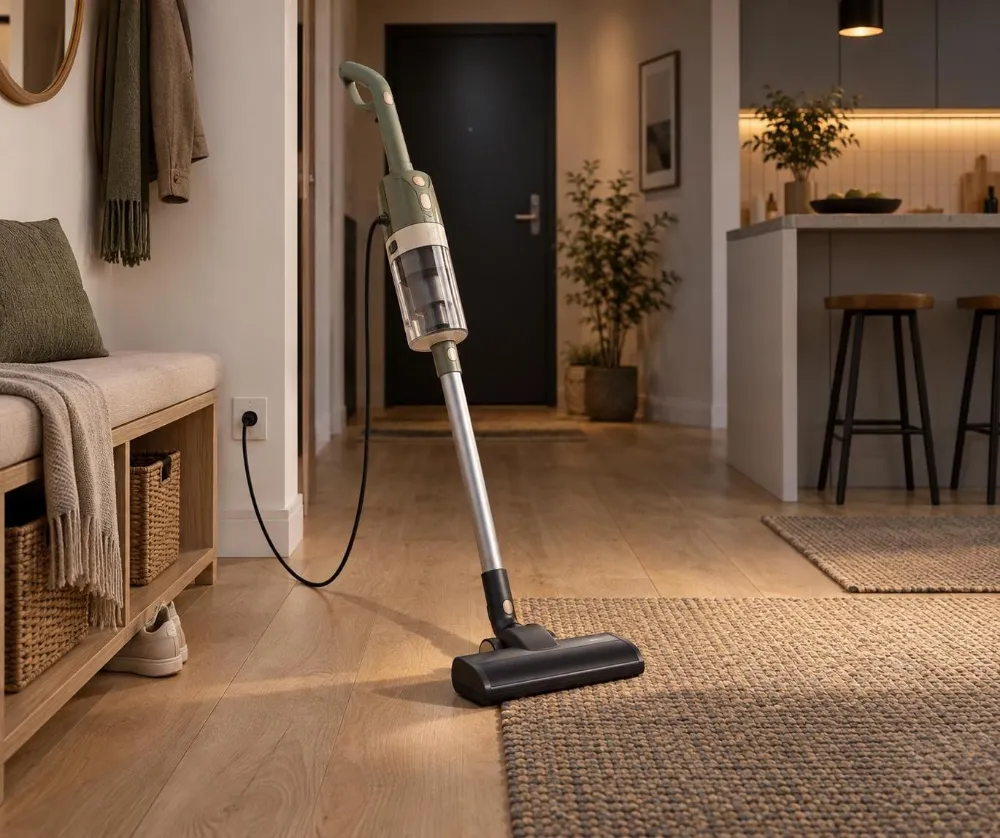
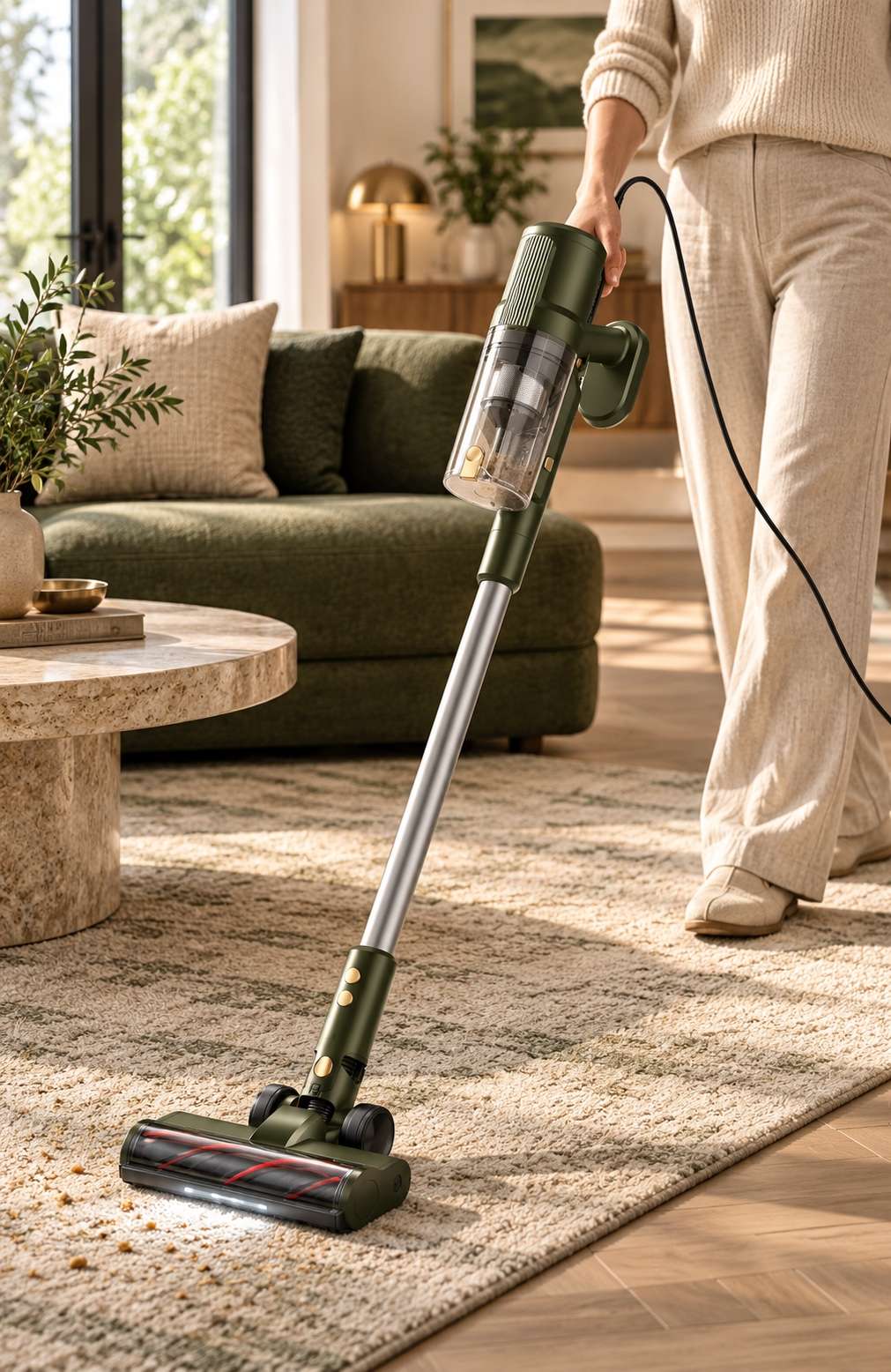
A transparent dust cup does not make a vacuum cleaner stronger by itself, but it makes an invisible ownership task easier to see. Users can notice the fill level, hair around the inlet and the point when the cup needs attention. For a buyer or importer, that visibility also makes maintenance instructions easier to write and check. The cup should make the routine easier to understand without becoming a decorative window. Its latch, seal, cyclone and emptying path still have to work together after repeated use.
The useful answer is usually a sequence of small checks rather than one dramatic specification. Walk through the routine below, then test the exact configuration if you are buying for a retail programme. Keep a short written record of the floor, head, filter, power version and anything that changed during the route; it will make the final decision easier to explain.
Visible fill level supports better timing
A clear cup lets the user see when light hair takes up volume and when fine dust begins to settle around the cyclone. Emptying before the maximum mark can prevent packed debris from narrowing the inlet. The visual cue is especially useful in homes where several people share cleaning, because the next user does not need to guess what happened during the previous session.
Blockages become easier to locate
When pickup changes, the owner can inspect the cup inlet and cyclone before dismantling other parts. A visible hair bridge or compacted ring gives a clear place to start after switching off and unplugging. Transparency does not replace a blockage procedure, but it can reduce unnecessary handling. The tube, head and filter still need their own inspection when the cup path looks clear.
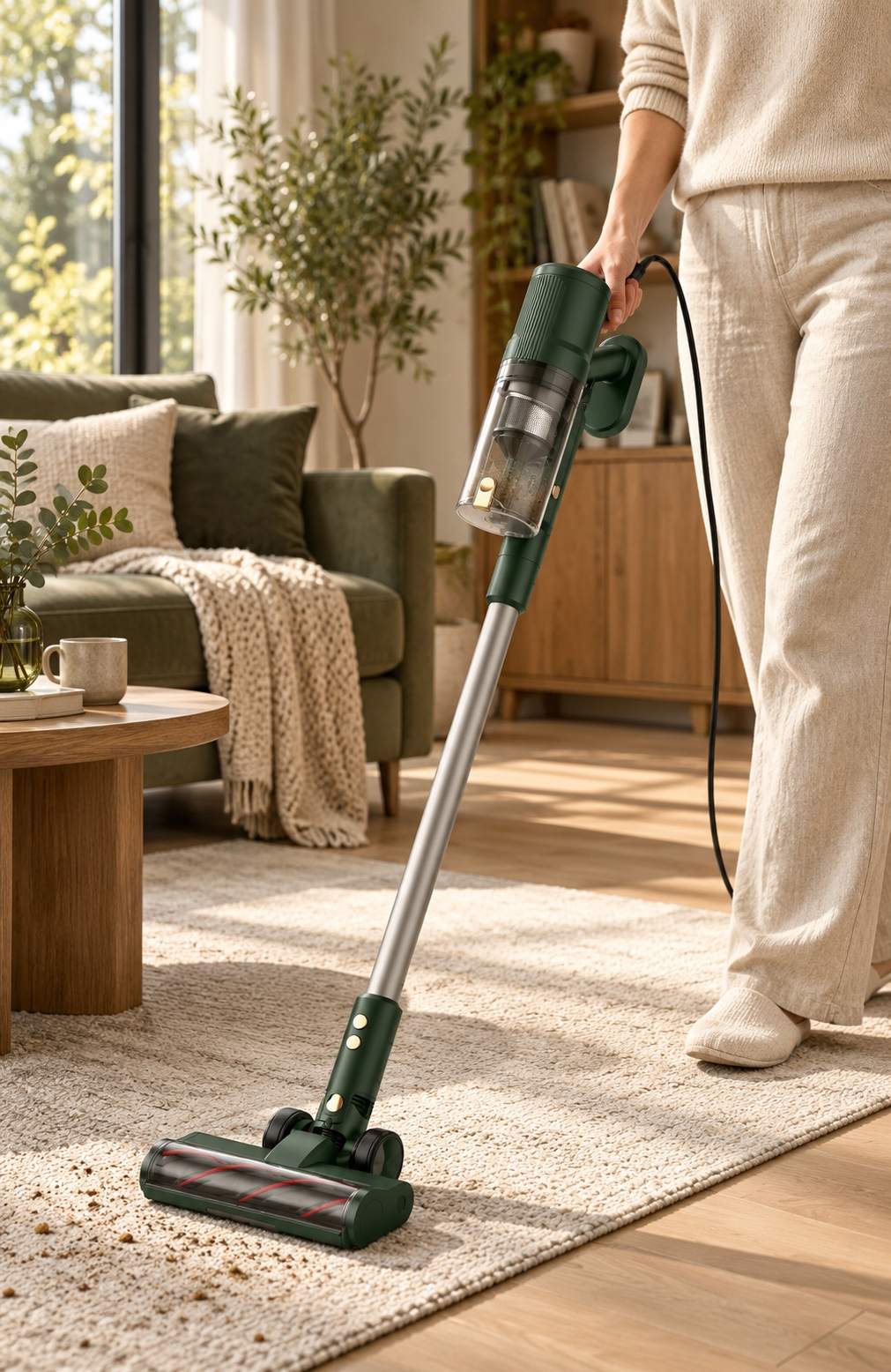
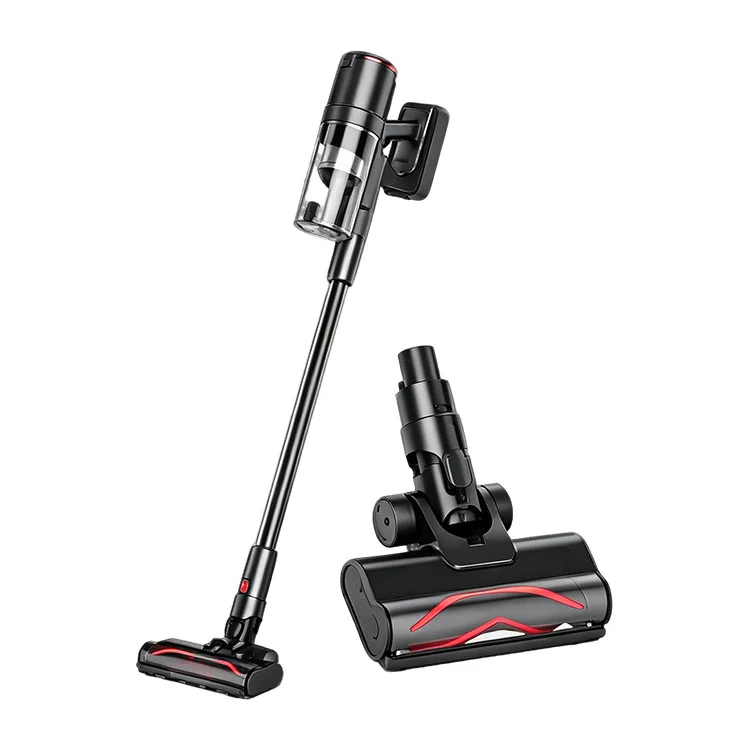
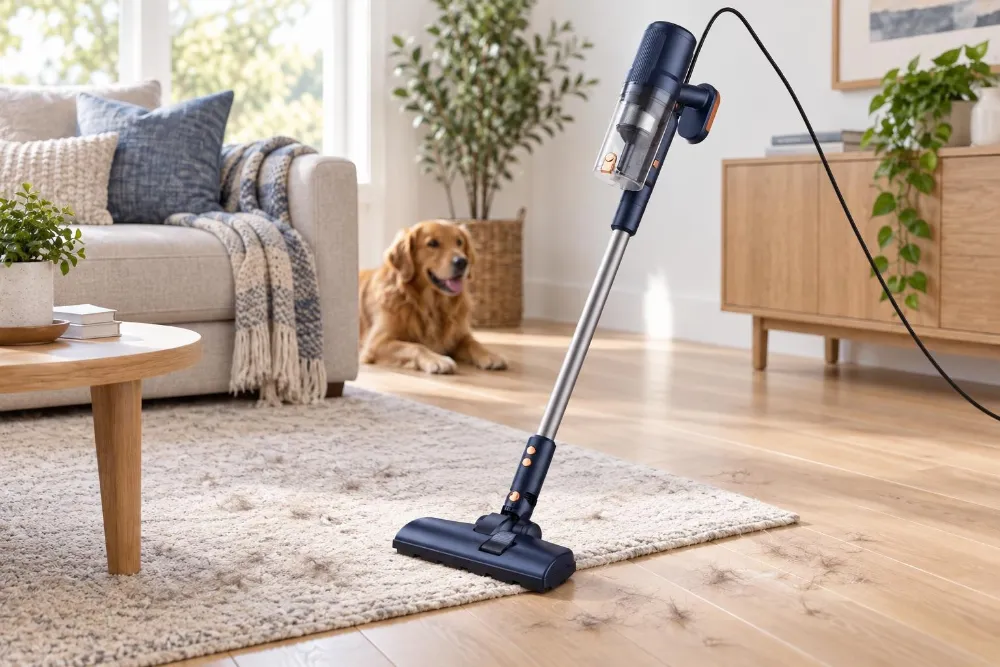
Figure 1 | Test transparent dust cup in the real cleaning route.
Emptying design matters more than visibility alone
A clear cup is useful only when the release, seal and opening allow controlled emptying. Test whether hair catches around the cone, whether the bottom door can be operated above a bin and whether the user touches collected dust. Do not shake the cup near food or children. A product page should explain the approved emptying sequence rather than promising a completely dust-free experience.
Material and seals need sample inspection
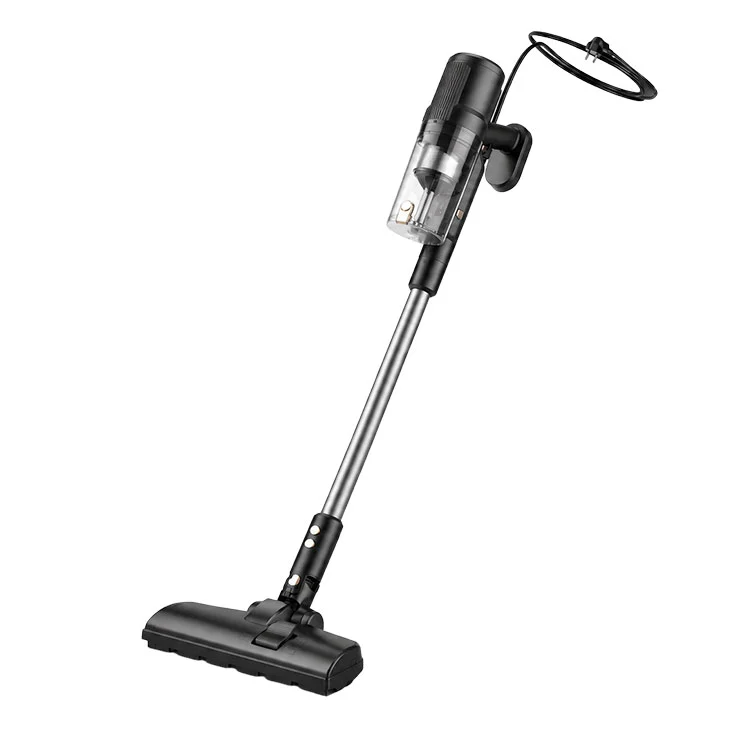
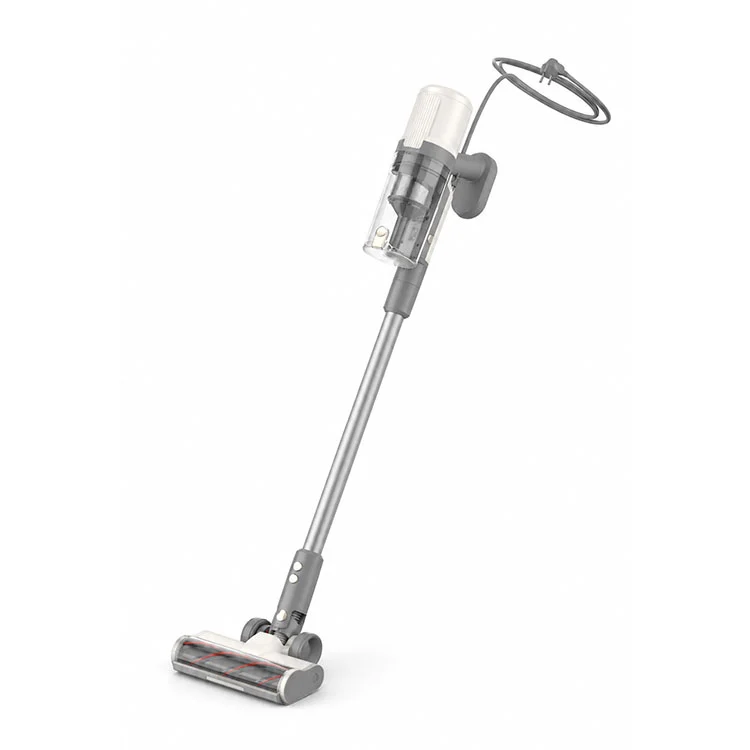
The documented TEH platform uses a 1.2 L transparent PC cyclonic dust cup. Check the approved sample for clarity, scratches, moulding marks, latch feel and sealing surfaces. A concept render can show colour but cannot confirm material or fit. After repeated removal cycles, inspect whether the cup seats consistently and whether dust appears beyond the intended path.
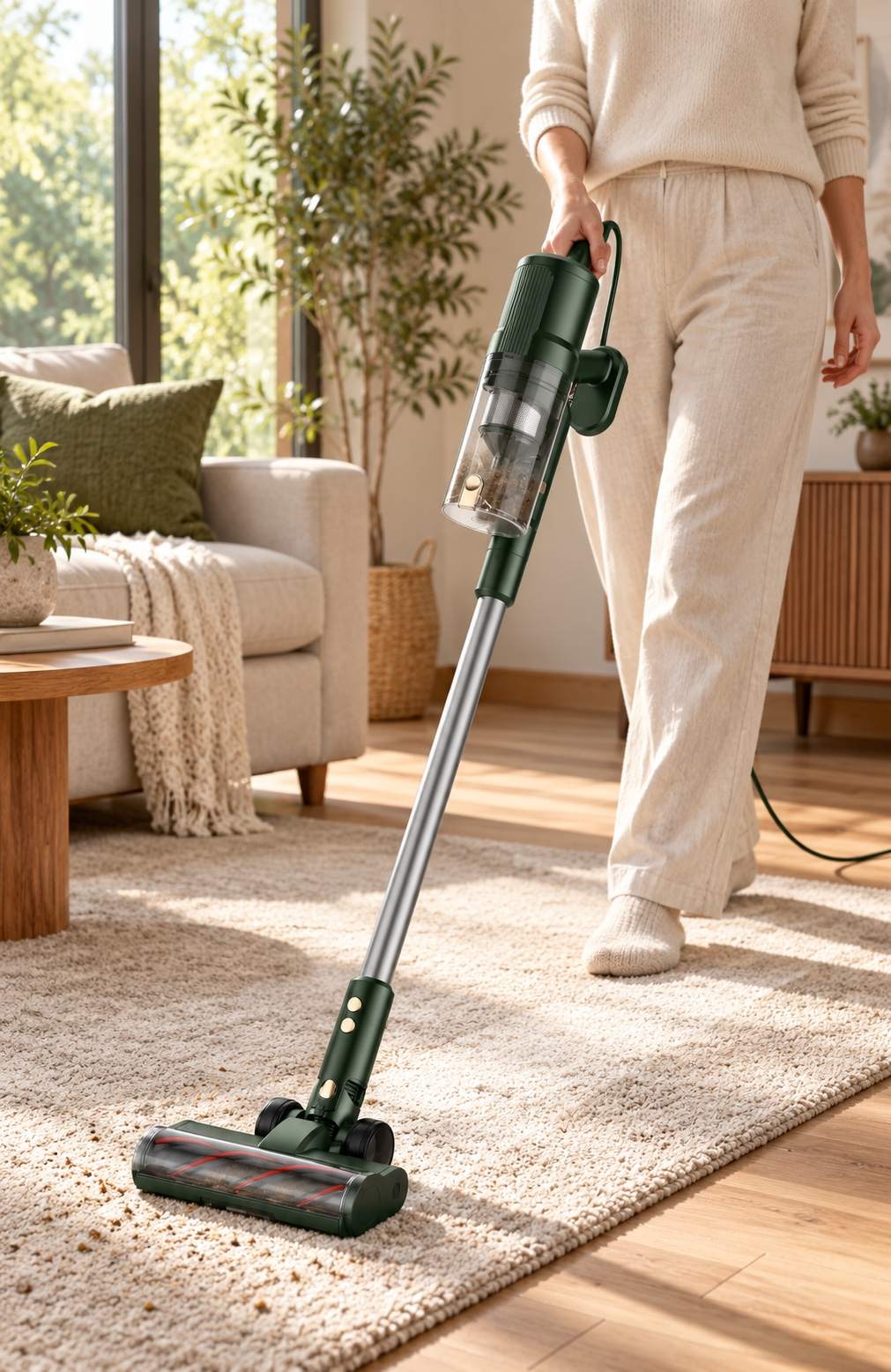
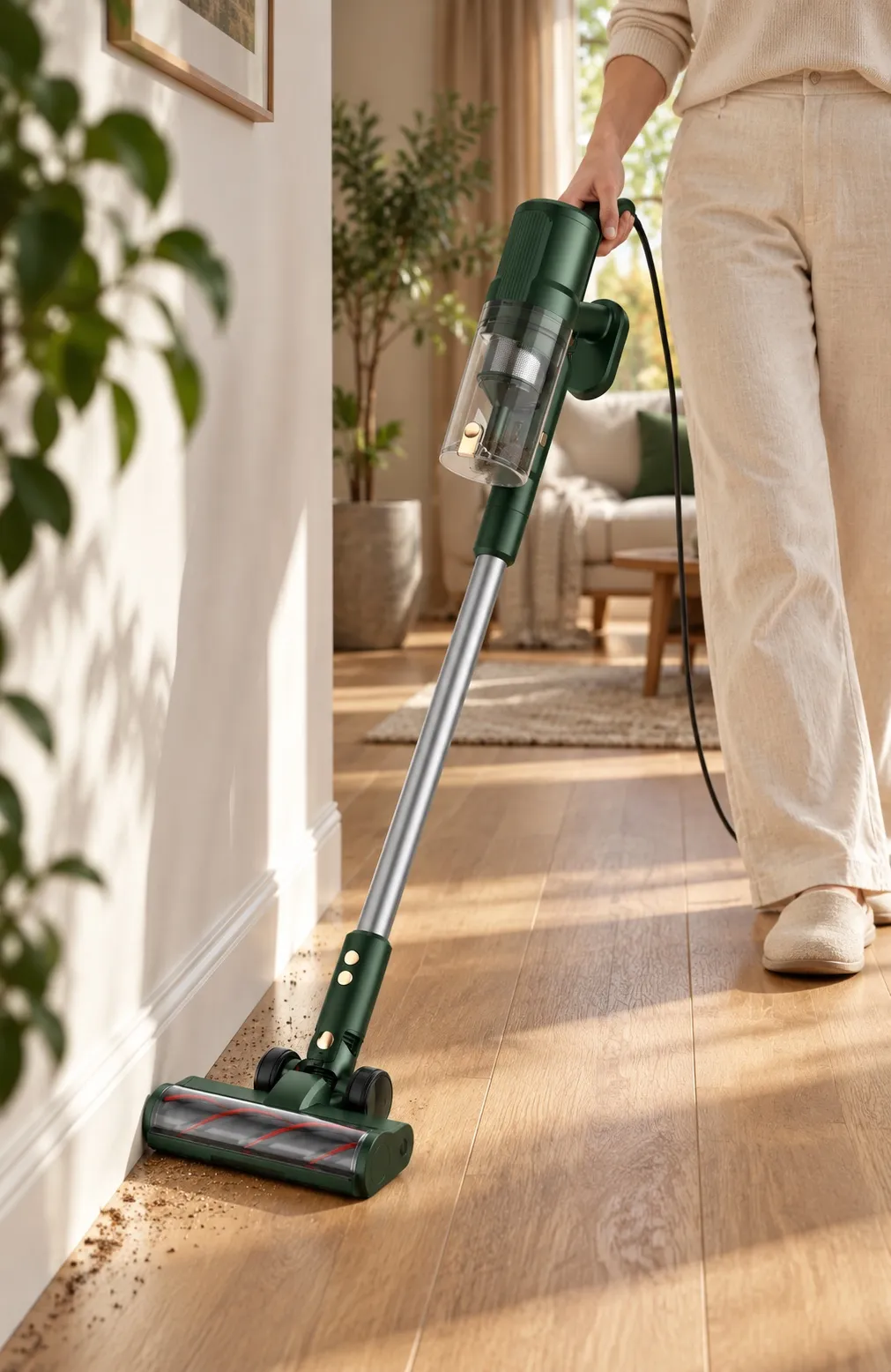
Figure 2 | Check the final product configuration before making a claim.
Cleaning instructions should protect the clear surface
Use only the method and materials permitted by the manual. Abrasive pads or harsh chemicals can cloud a transparent surface and make the fill line harder to read. If washing is allowed, every part must dry fully before reassembly. Keep the filter-care instruction separate, because a washable cup does not prove that the adjacent filter can be rinsed.
Use visibility as a quality-control aid
An importer can photograph the clean cup, a measured dust load and the cup after emptying. This record helps compare samples and write accurate instructions. It can also reveal mixed latch colours or an unexpected cyclone part before production approval. The transparent dust cup should remain the same configuration across the sample, manual illustrations, packaging and listing images.
Where the TEH platform fits
The documented TEH Corded Stick Vacuum Cleaner platform uses a 270 W high-voltage DC brushless motor, suction above 25 kPa and noise below 75 dB under the stated test conditions. It has an independently powered motorized roller floor head, a 1.2 L transparent PC cyclonic dust cup and H12 HEPA as standard. H13 HEPA is available as a higher-cost customization. The detachable power cord can be specified from 5 m to 10 m with destination-specific plug, voltage and frequency.
For repeated home cleaning, the platform can be specified around the floor, cord route and destination market. The product section should still be read with the stated test conditions: a floor head, carpet, filter and user routine can change the experience. Treat the generated colour as an editorial concept until the factory confirms the production finish.
For importers and OEM buyers
A vacuum cleaner manufacturer or vacuum cleaner supplier should keep the approved sample, quotation, specification, instruction manual, packaging and online copy aligned. For an OEM vacuum cleaner or private label vacuum cleaner, record the final floor head, dust cup, filter grade, cord length, plug, voltage, frequency and replacement parts before launch. If a claim depends on a specific floor or test method, keep that condition in the internal file instead of turning it into an absolute promise.
Frequently Asked Questions
What is the benefit of a transparent dust cup?
It shows fill level, visible blockages and whether the cup needs attention before the next clean.
Does a clear cup improve suction?
Not by itself. Airflow still depends on the inlet, cyclone, seals, filter and floor head.
What should an importer inspect?
Inspect material clarity, latch operation, seals, repeated fit, emptying and consistency across all product materials.
Explore TEH Vacuum Cleaner Options
View the TEH Corded Stick Vacuum Cleaner or browse the TEH Vacuum Cleaner range. For a sample or configuration discussion, use the Send Inquiry page.
Related News
- Vacuum Cleaner Brush Not Spinning Safe Checks Before Service
- Vacuum Cleaner for Car Interior What a Home Model Can and Cannot Do
- Can You Vacuum Kitchen Floors What to Pick Up and Avoid
- Why Does My Vacuum Cleaner Smell Bad Safe Checks to Try
- Vacuum Cleaner Lost Suction Check These Common Causes First
- How to Vacuum an Area Rug Without Pulling or Bunching It
Leave me a message